
I left a very foggy Vancouver early this morning but found a beautiful sunrise above the clouds, a view I don’t often get. A view I certainly didn’t get was a movie on my 4½ -hour flight. Access to movies and television shows has been replaced with wifi – complimentary for visits to united.com, but $8.99 otherwise. I am beginning to understand why United can offer return flights between Seattle and San Francisco for $138. And maybe why there’s a rise in the number of unruly passengers.

Landing at George Bush International Airport in Houston where I have a four-hour layover provided another economics lesson. We flew over large residential neighbourhoods with wonderfully mature trees, shady streets and even a few back yards with swimming pools. Then right next door were obviously new developments with hardly a (lower case b) bush in sight. 🙂 Ahah, I thought to myself, these new homes must have been built during the early 2000’s housing bubble and are probably largely now under foreclosure.
I did some research to prove myself quite clever but found I was not so smart after all. Houston did not fare badly in the 2008-10 housing crisis partly because there was so much land available. 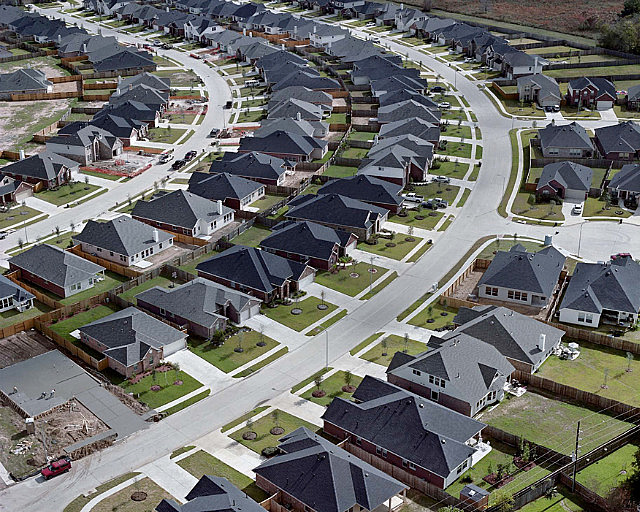 As easy financing increased demand for new housing, the supply increased almost as quickly resulting in relatively stable prices. When the housing crisis hit, prices did not plummet as they did in much of the rest of the country because they hadn’t been inflated by the availability of sub-prime mortgages. But the other reason, my research showed, was that there’s a distinct lack of zoning regulations. Zoning effectively acts as a supply restriction, and if demand exceeds supply the price must rise. In 2008 only 4% of Houston’s homes were in foreclosure compared to 11.5% in Florida and 14.4% in California.
Okay, okay, now you know what bored economists do. Back to my non-economist activity – watching Broadchurch on my computer. 🙂
Hasta mañana en Quito.


Leave a Reply