Today’s activities were optional – travel to Volubilis and Meknes, or stay in Fes for the day. I decided that getting lost in the souk with its 35,000 streets and 9,000 dead ends was a tad worrisome. I joined the optional tour and was glad that I did.
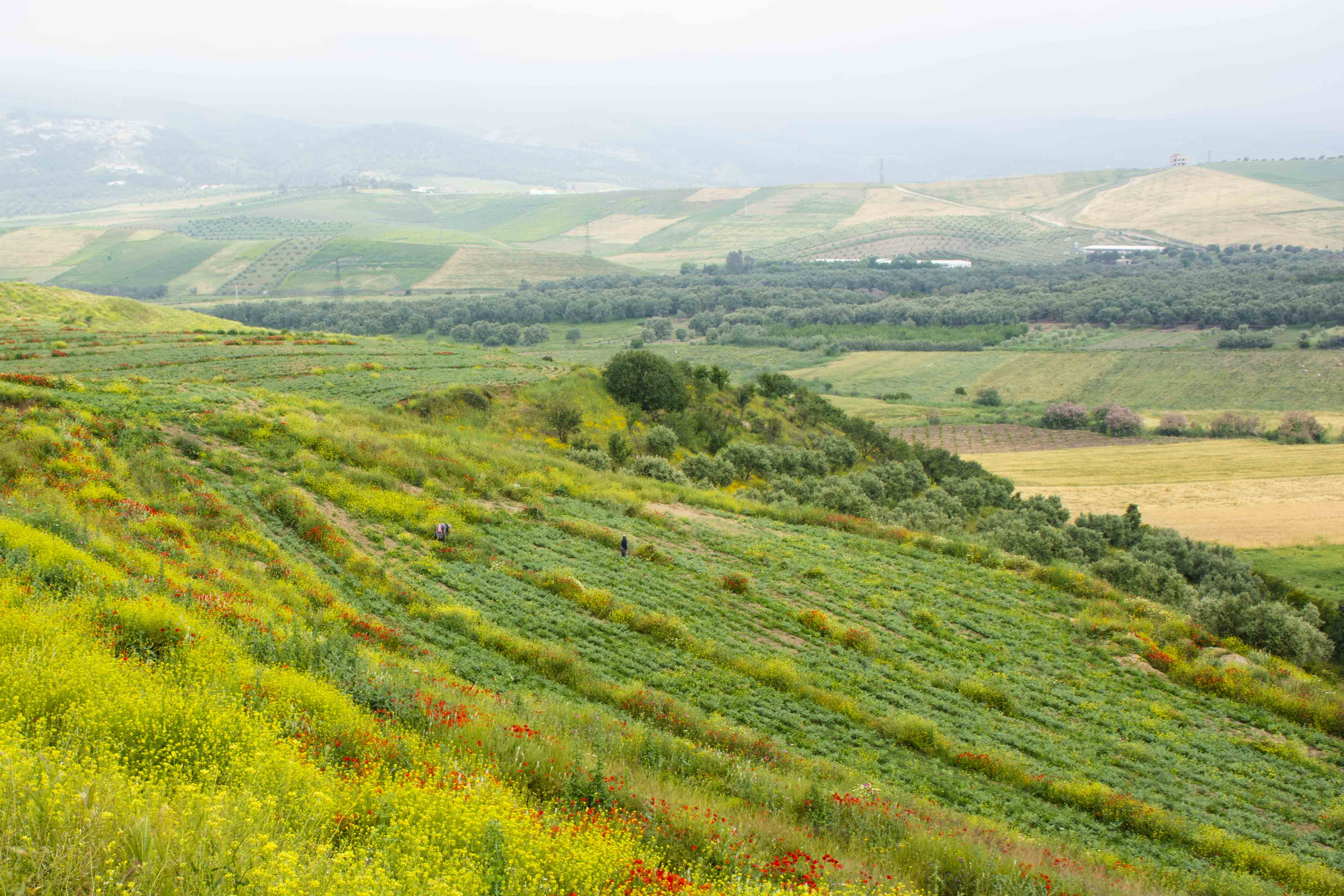
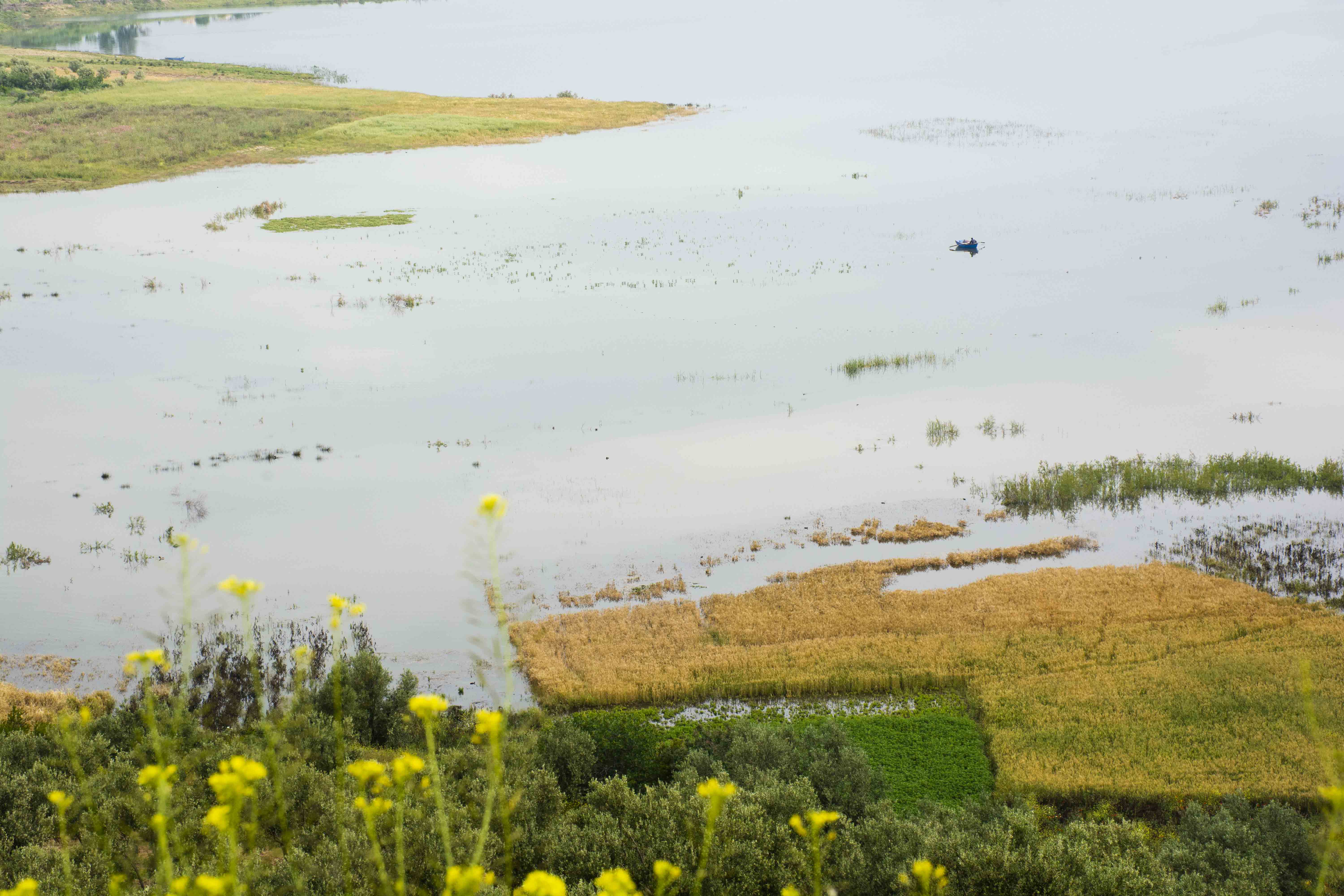
The drive to Volubilis took about two hours. We travelled through country that could have been in British Columbia so green and hilly and lush was it. This spring has been wetter than usual so colourful wildflowers lined our the route. We stopped to view a lake with fishers in small boats. Click on the photo to see a larger version. The fisher is in the top right quadrant of the photo.
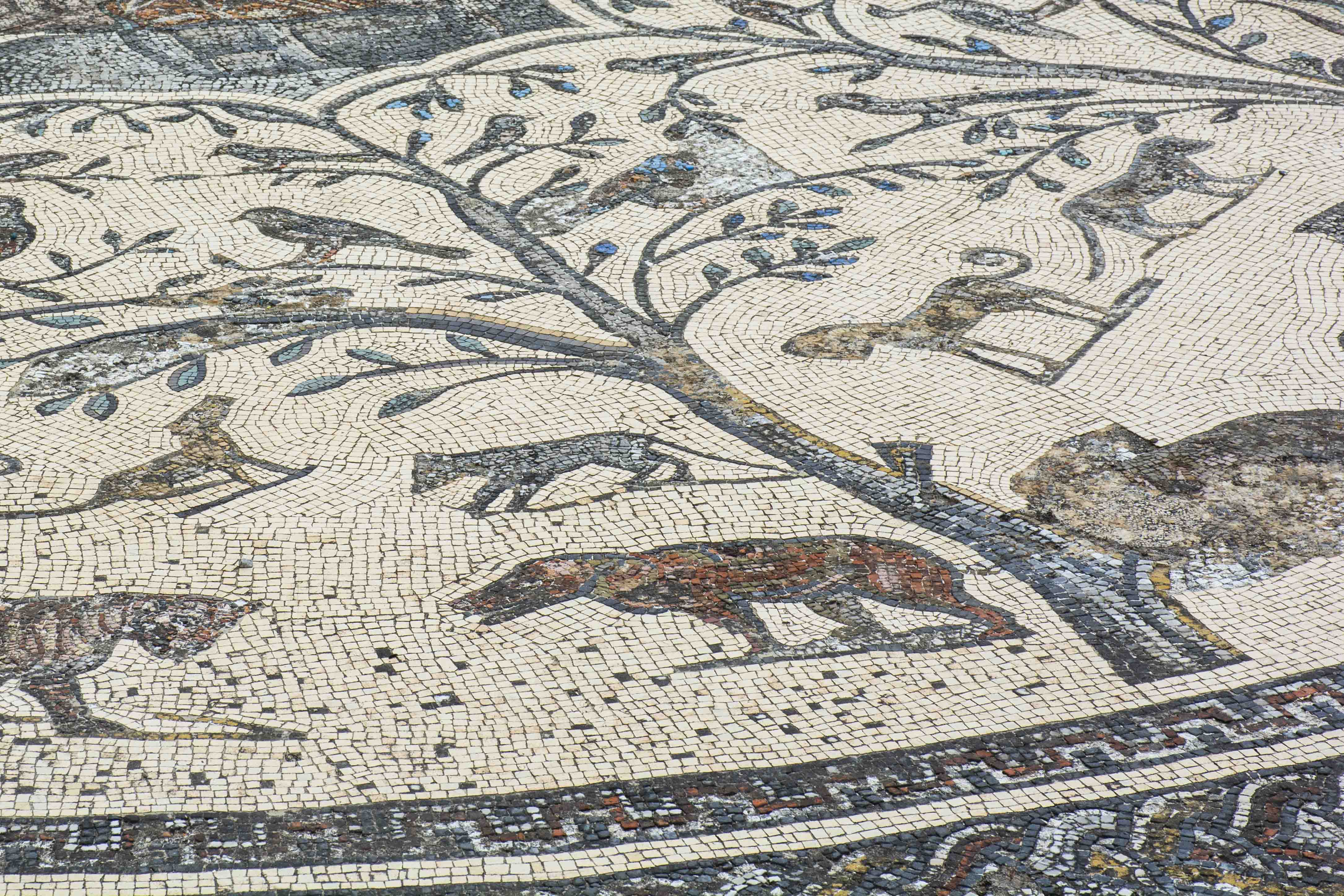
 Volubilis is the site of a very large Roman settlement. It has been only partly excavated, but what has been found – the structures and especially the ceramic tiles – is in amazingly good shape. What is also amazing is that you can wander around these ruins at will though the areas with ceramic tiles are roped off so you don’t walk on them. The Moroccan government is thinking about ways to preserve these ruins. I hope it will not be too late.
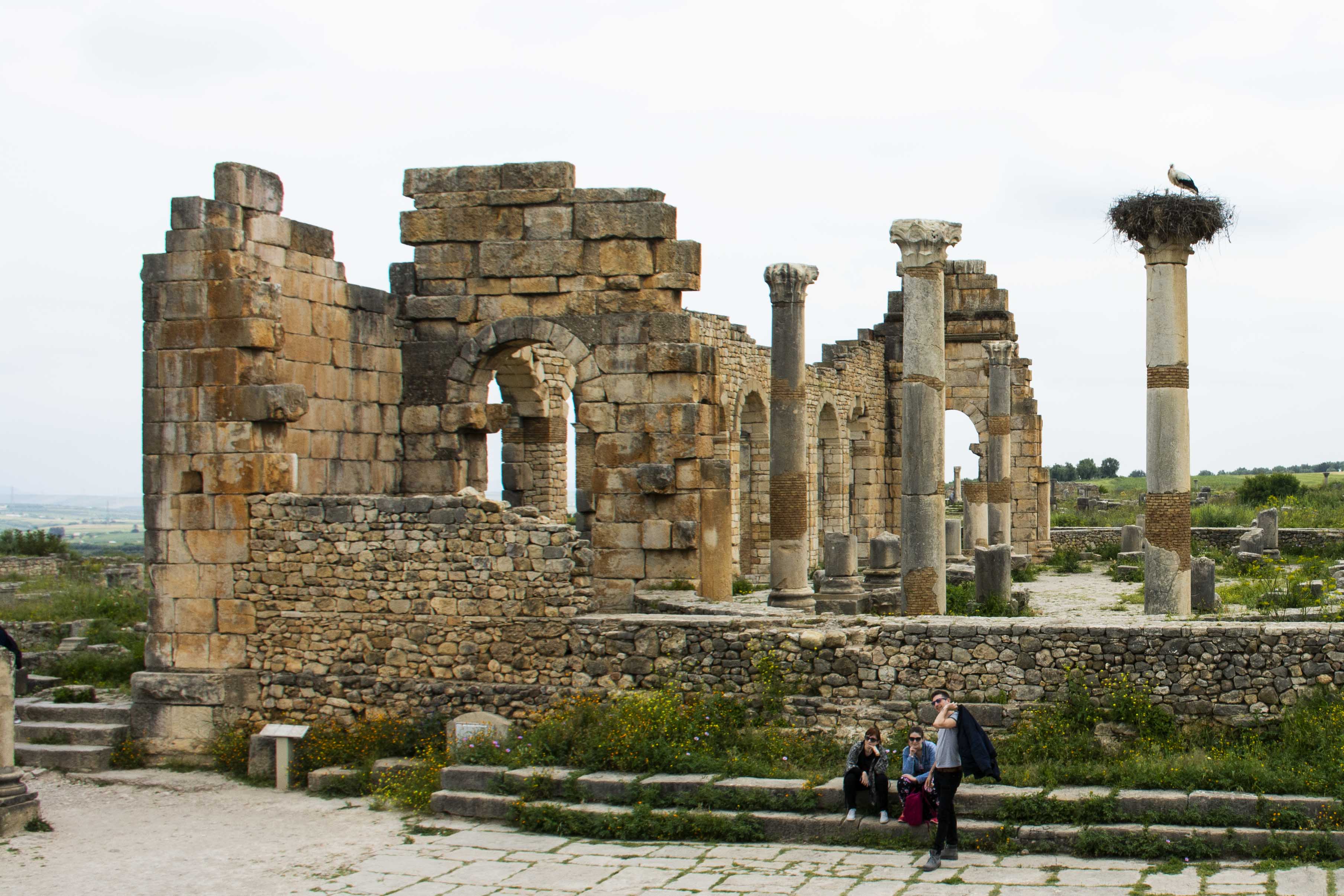
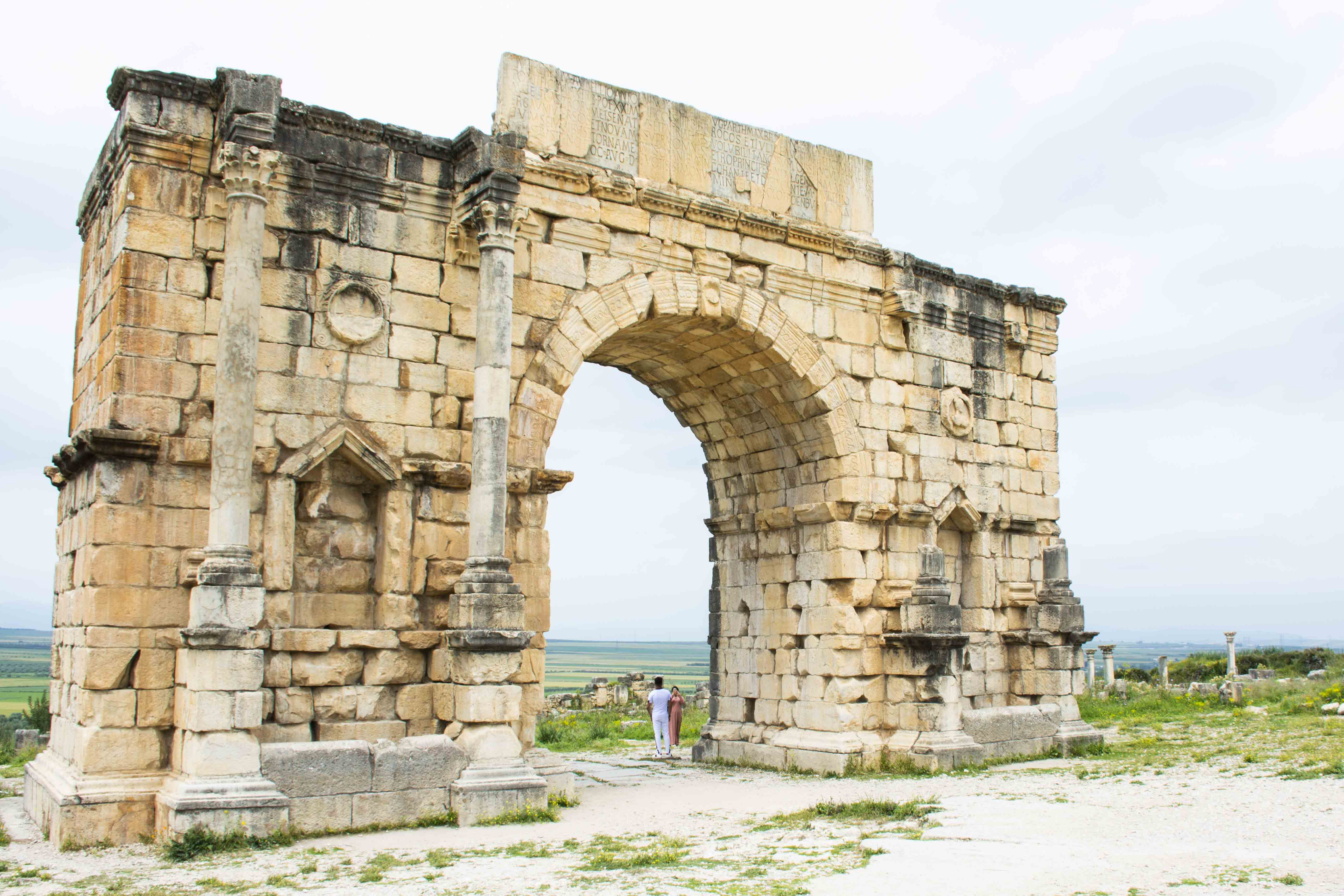
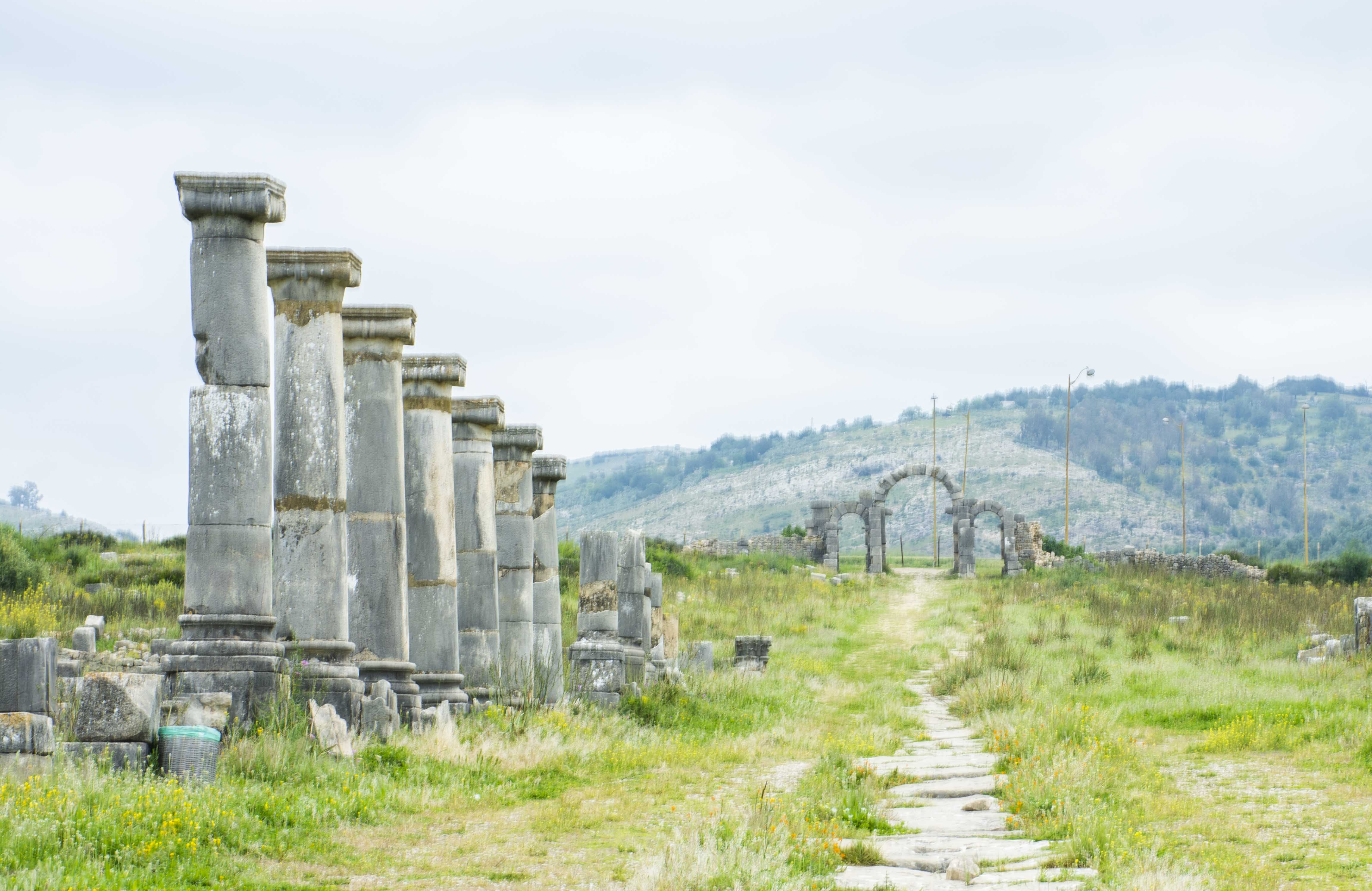
Once again, the wet spring allowed wildflowers to grow everywhere among the ruins. Here’s a sample.
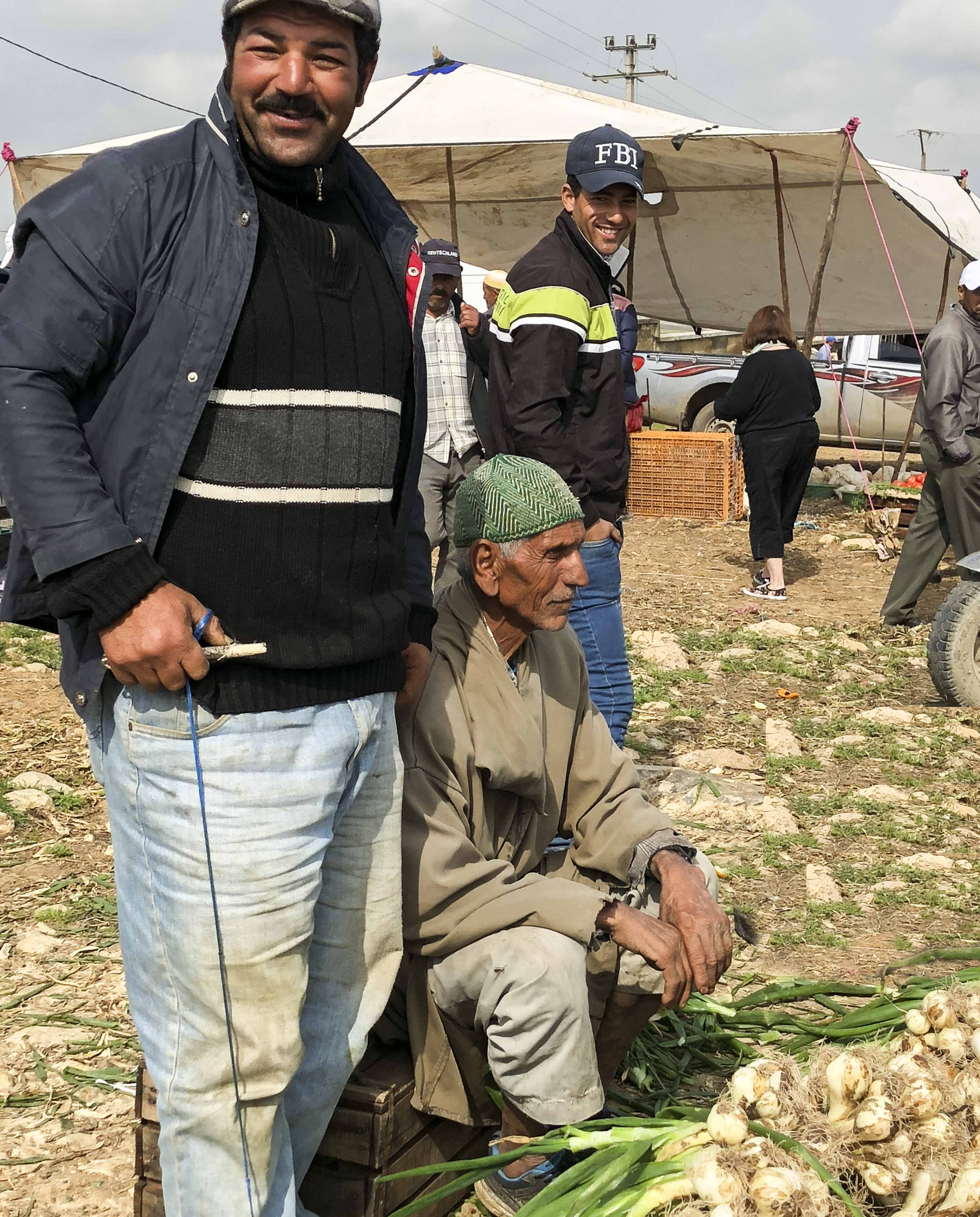
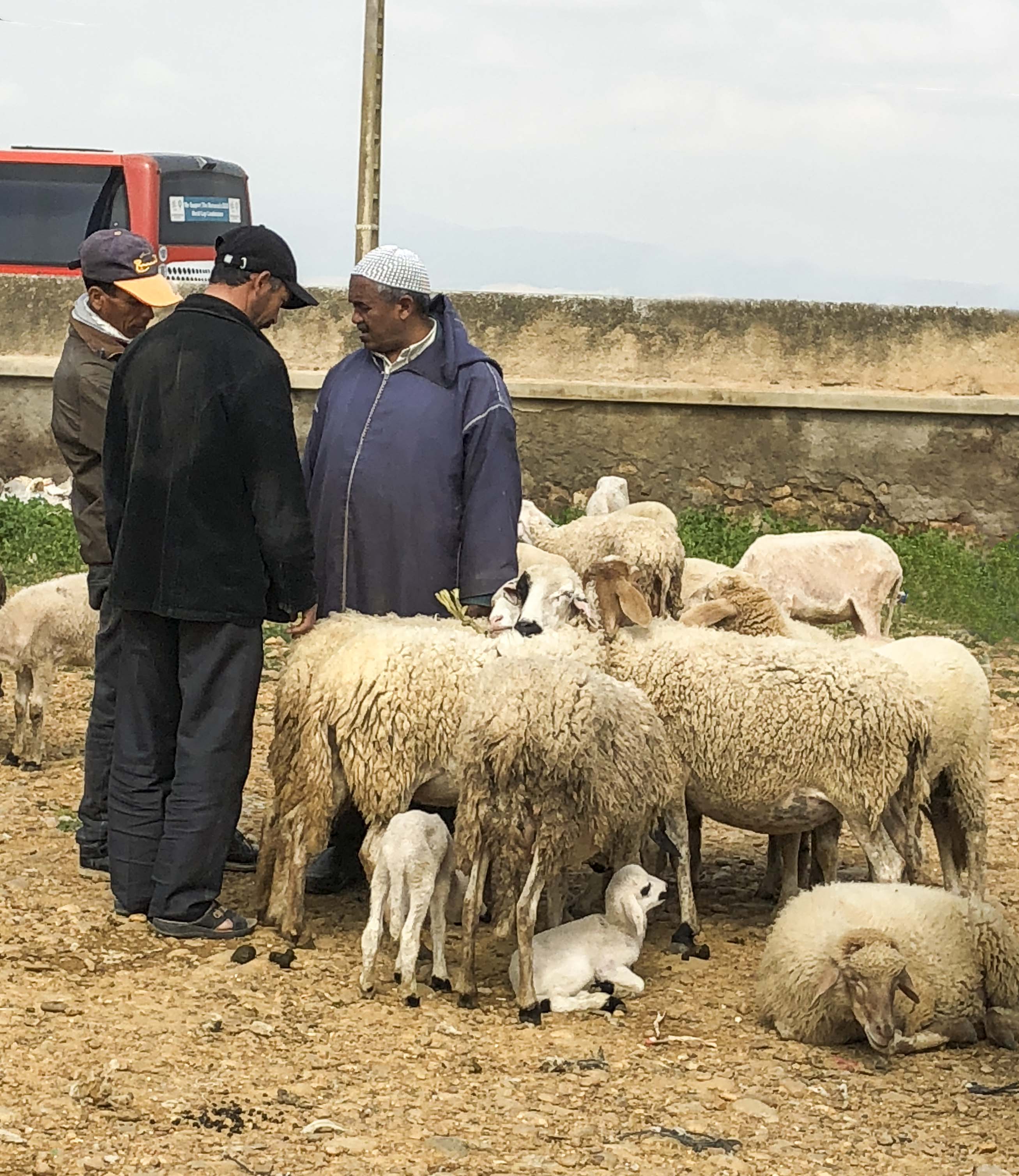
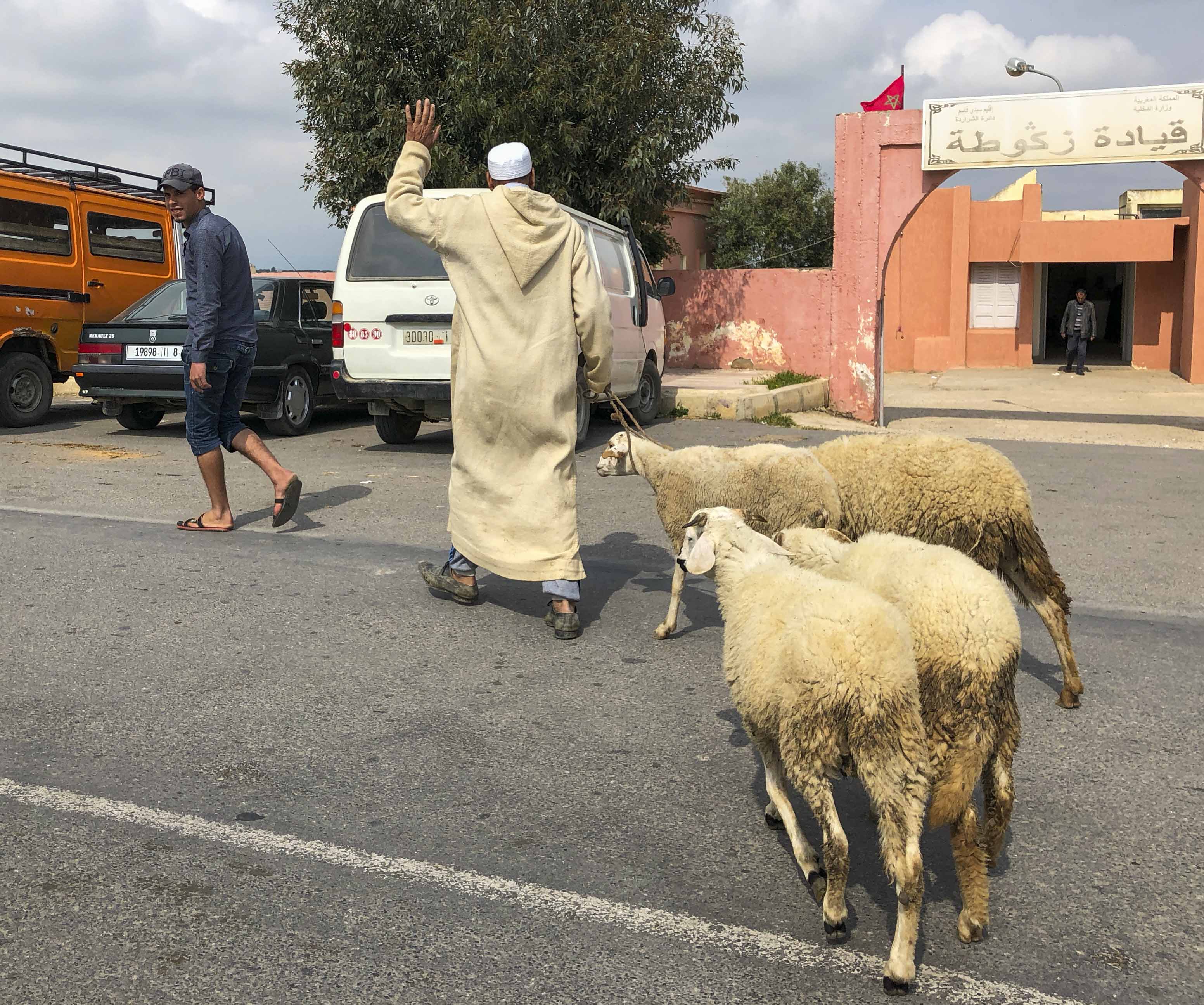
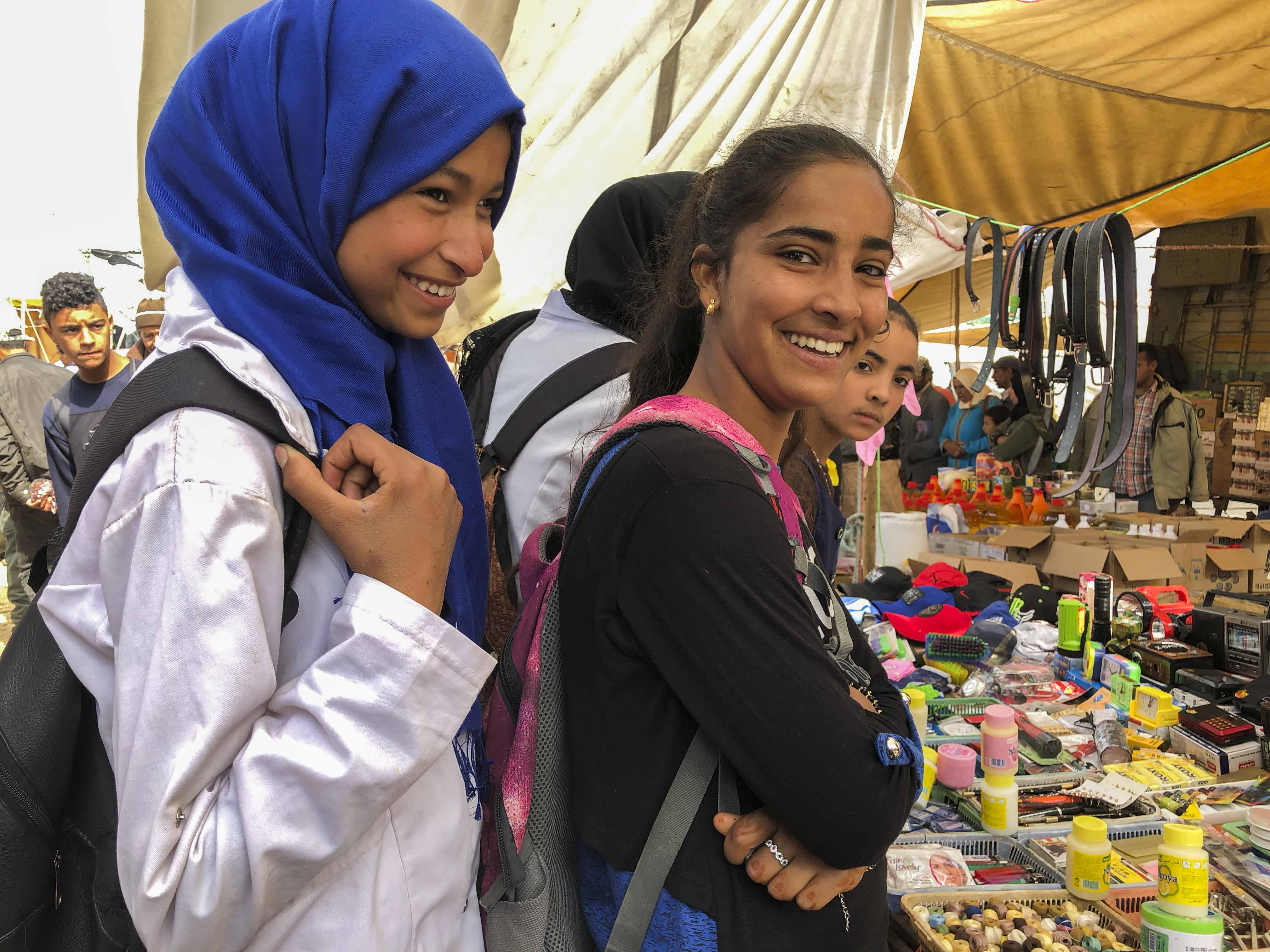
Between Volubilis and the imperial city of Meknes, we happened upon a farmer’s market. These usually occur once a week in any given area; we were lucky to find this one.
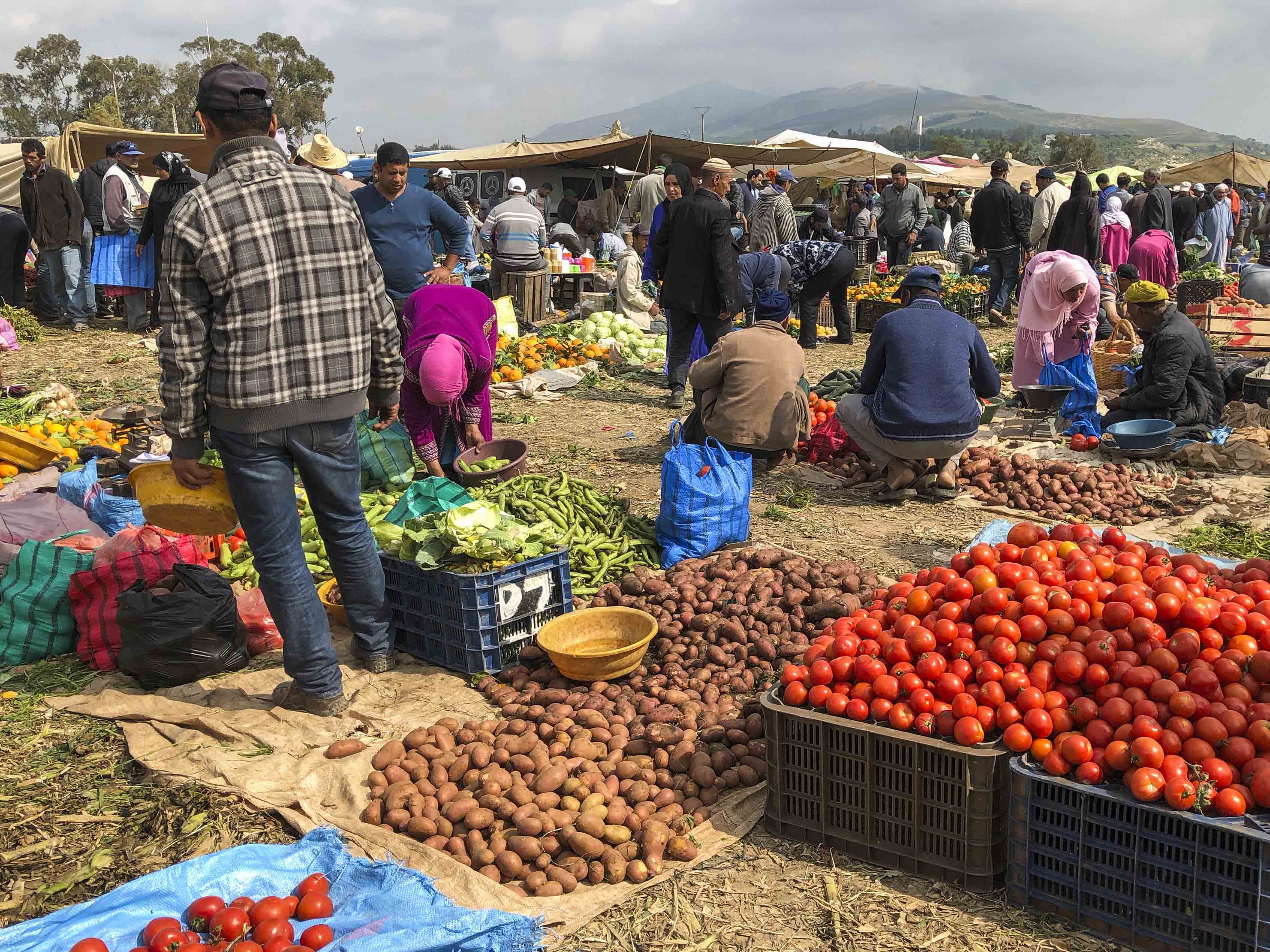
The place was abuzz with activity – vendors and buyers of produce and also a lot of trade in live sheep. The local people at the market were not up to posing for photos so I had to be very careful when taking the few I did. Too bad – I love taking photos of faces!
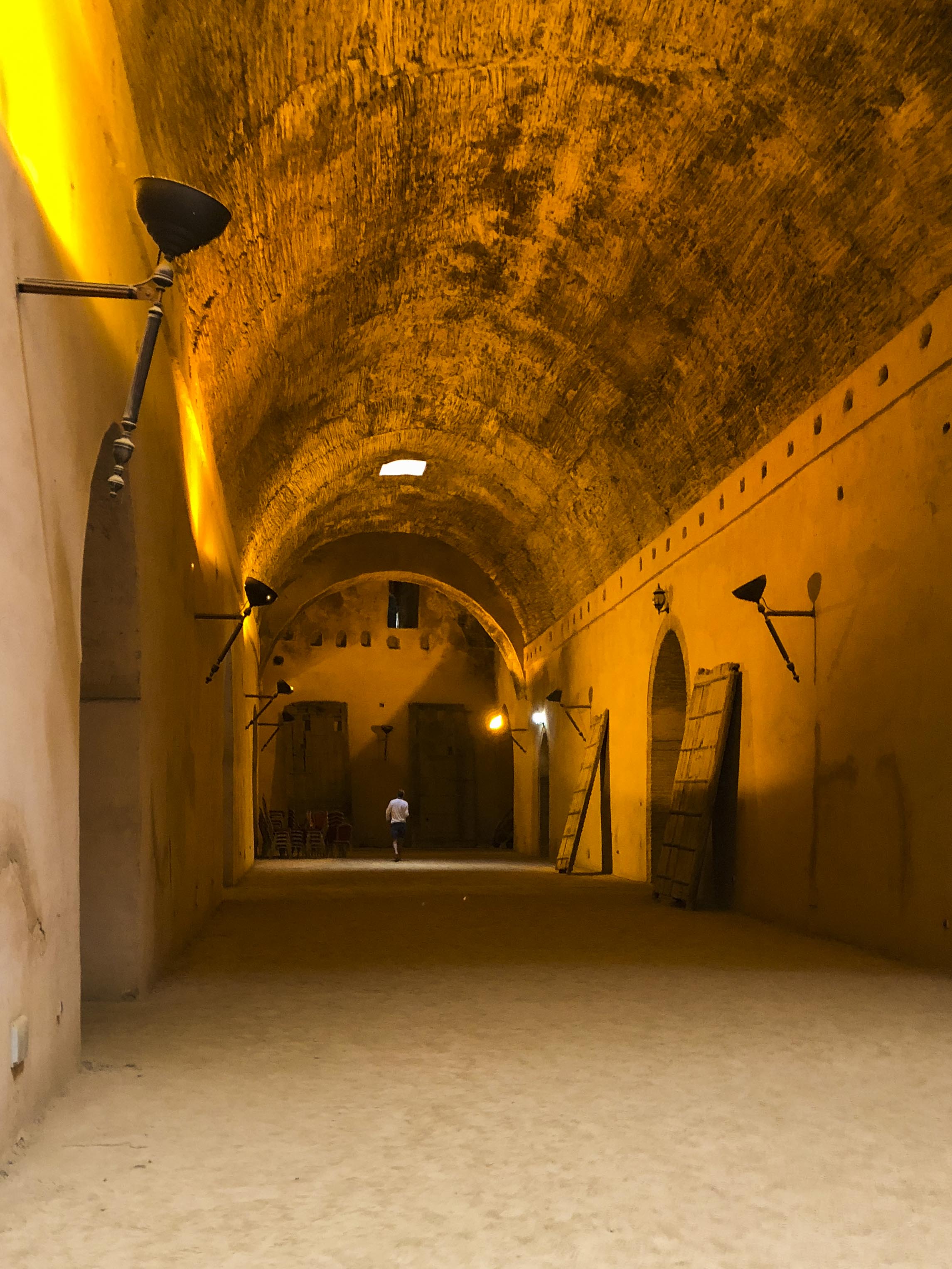
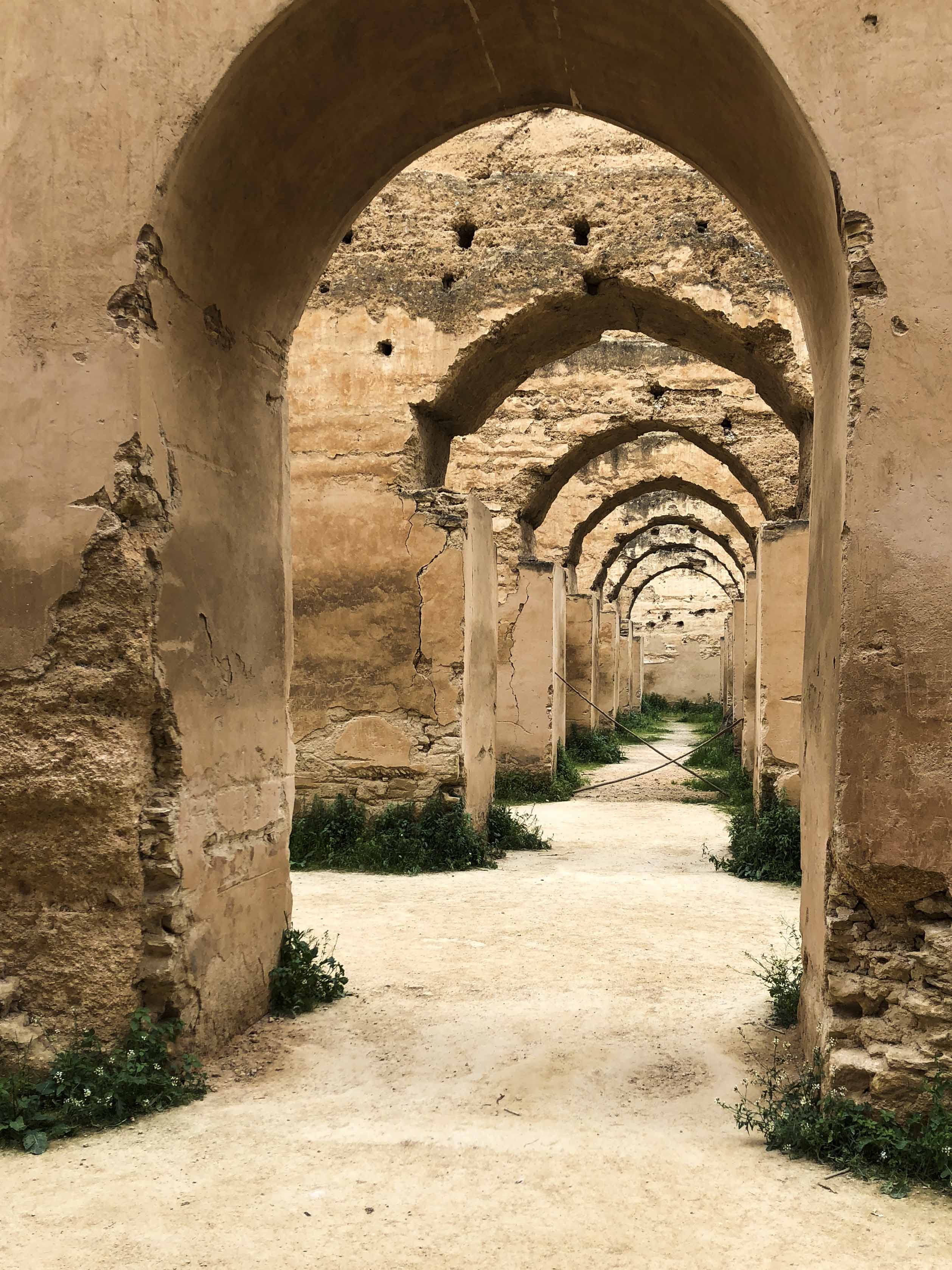
Next stop was the imperial city of Meknes. There are four imperial cities in Morocco, cities with palaces: Rabat, Fes, Meknes and Marrakech. We hooked up with a female guide who surprised many of us with her forthrightness about the history of Morocco and the current state of Moroccan women. But first, we visited the granary and stables that the Sultan Ismail ibn Sharif had built. He ruled Morocco from 1651 to 1727, a long time for rulers back in the day. He had 12,000 horses, many of which would be away at war at any given time. The remainder roamed free in the stable area and were fed from grain stored in the granary.
Our local Meknes guide is a big fan of the current king, Mohammed VI. He has supported women’s rights, has enforced the spread of schools throughout Morocco and made some progress on issues of social justice. Listening to our tour leader and to our local Rabat and Meknes guides, several things have become very clear:
- Moroccans are not Arabs. They are by and large descended from the Berbers.
- While classis Arabic is taught in school so that Moroccans can communicate with Arabs in North Africa, the language of every day is one of several Berber dialects.
- Berbers speak very quickly.
- Moroccans are overwhelmingly Muslim but they are also liberal.
- Moroccans are more spiritual than religious.
I will add a couple more from my experience:
- Moroccans are generous and friendly.
- Moroccans eat fabulously tasty food!
- Morocco is a diverse country in terms of geography, population and culture, and is therefore an excellent destination for an educational tour.
Tomorrow we head south over the Middle and High Atlas Mountains into the Sahara Desert. One thing is for sure – things will be different!


Leave a Reply