We began today with a visit to the Ice and Ocean Cluster which I understood to be a co-work centre but turned out to be much more. About 80 companies involved mainly, but not exclusively, in the fish processing industry from boat to final destination, have offices here. There are also a few companies in related food processing industries. The goal is to have these companies work together to create new business opportunities.
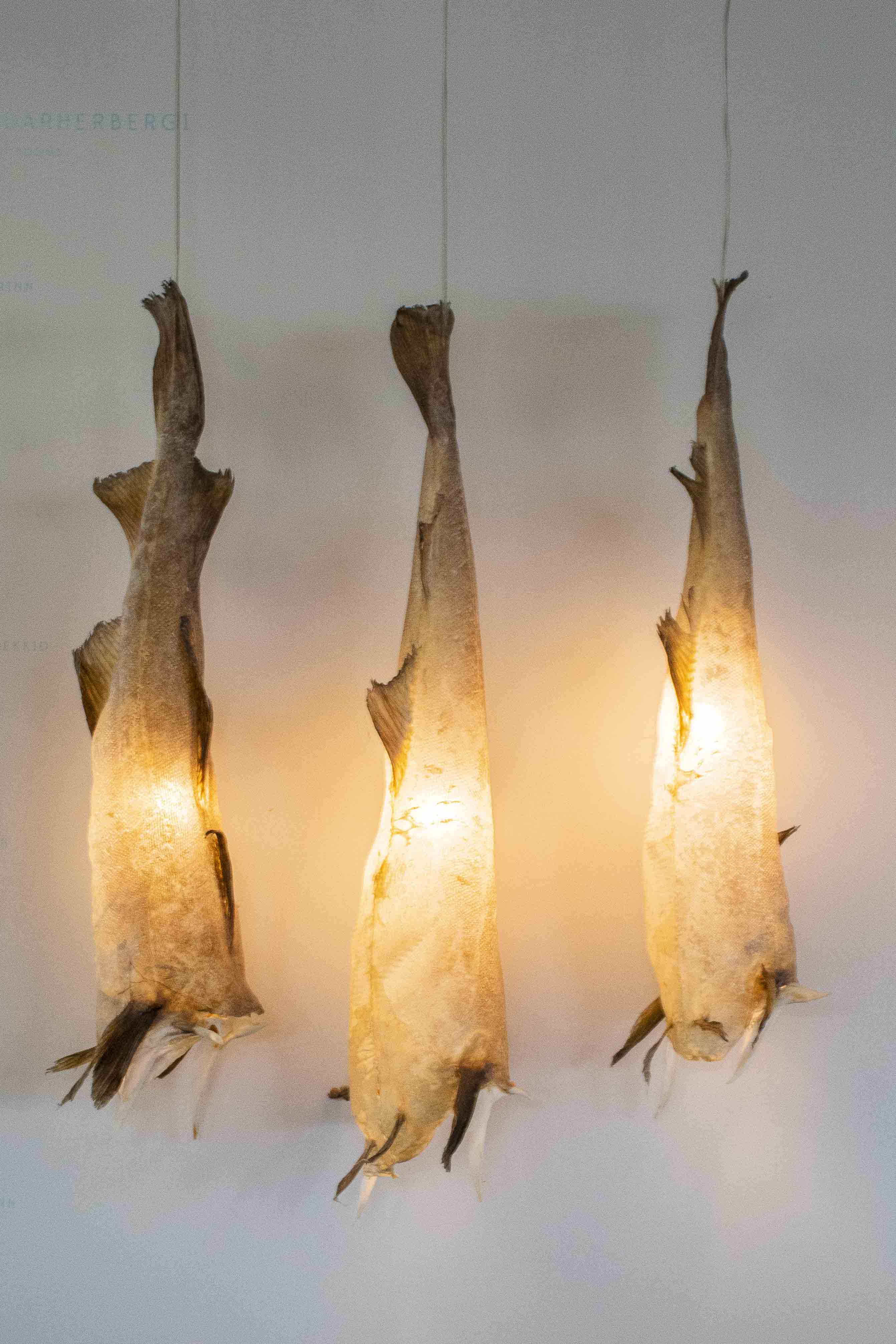
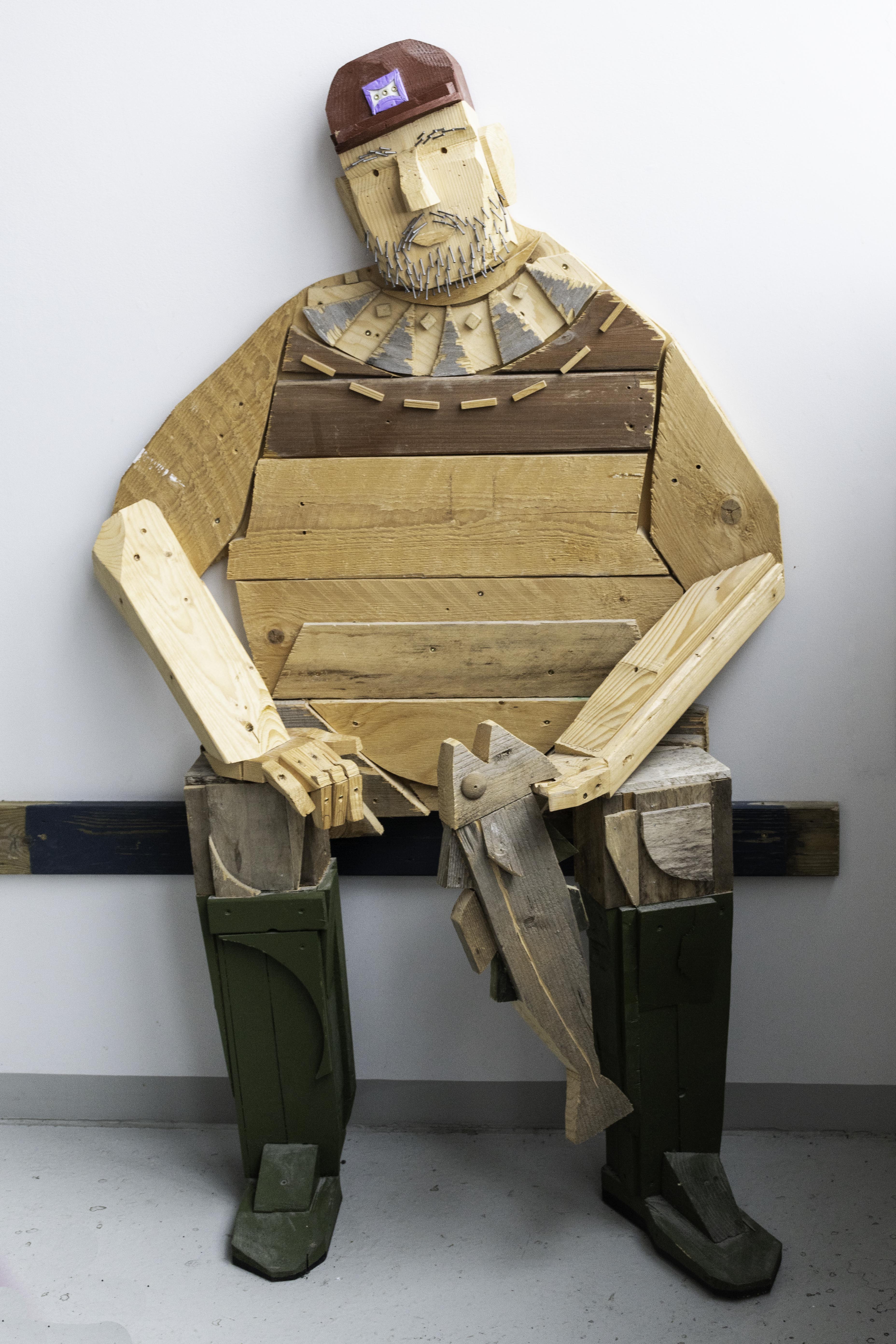
We were met by a wooden scupture of a fisher, then by William in a sort of lobby-cum-cafe lit in part by cod skin hanging lights. These set the stage for the rest of the visit whose purpose was to show us how versatile cod fish really are. After a lengthy description of the size of the industry, the tonnage caught each year and the quotas that are now enforced within Ísland’s 200 mile exclusive fishing zone we moved onto what is actually done with the fish, and here is where it got really interesting.
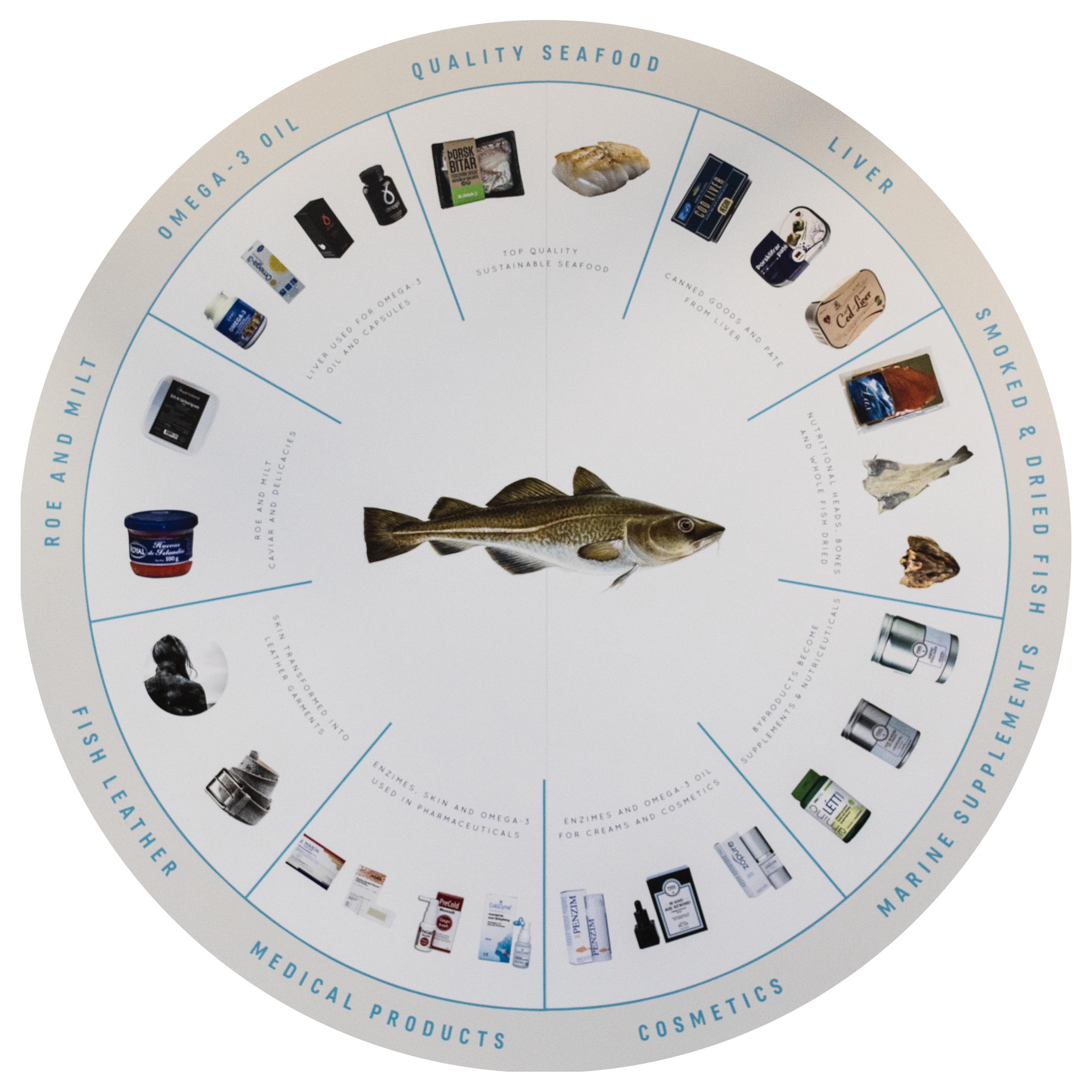
The Ísland cod fishery uses 75% to 80% of the fish while the global standard is 45%-50% with the remainder discarded along the way. With this high utilization rate, the fishery can take a cod worth, unprocessed, $8/pound and create $3,000 in value from it. From fillets to medicinal products to fish leather, Ísland produces them all. Take a look at these luxe fish leather products. Apparently they’re the new hot thing!
The goal is zero waste. So what else can be done with the 20% not currently used? That is part of what the Ice and Ocean Cluster is alll about.
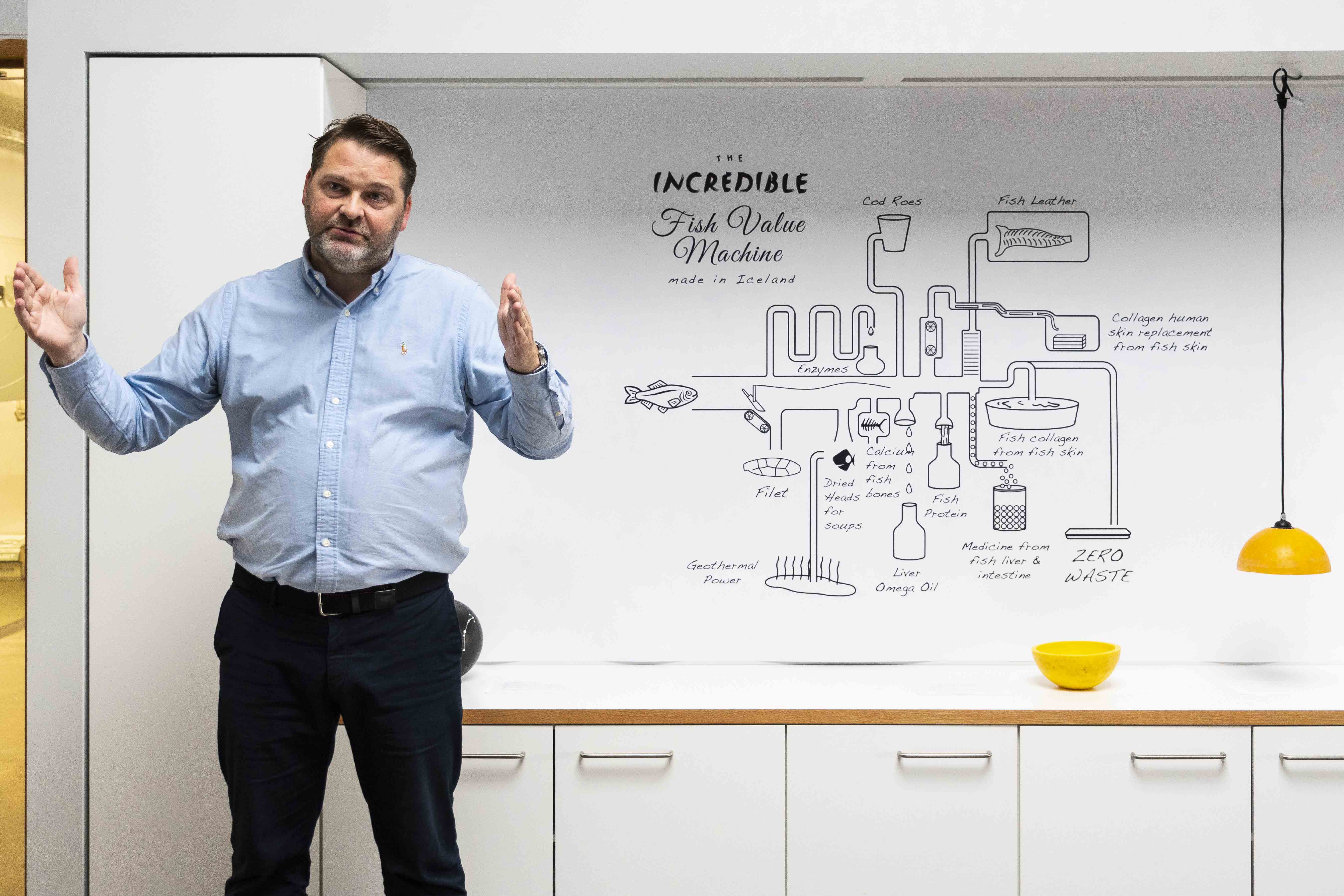
Here’s a look at the scope of the products Ísland produces from cod.
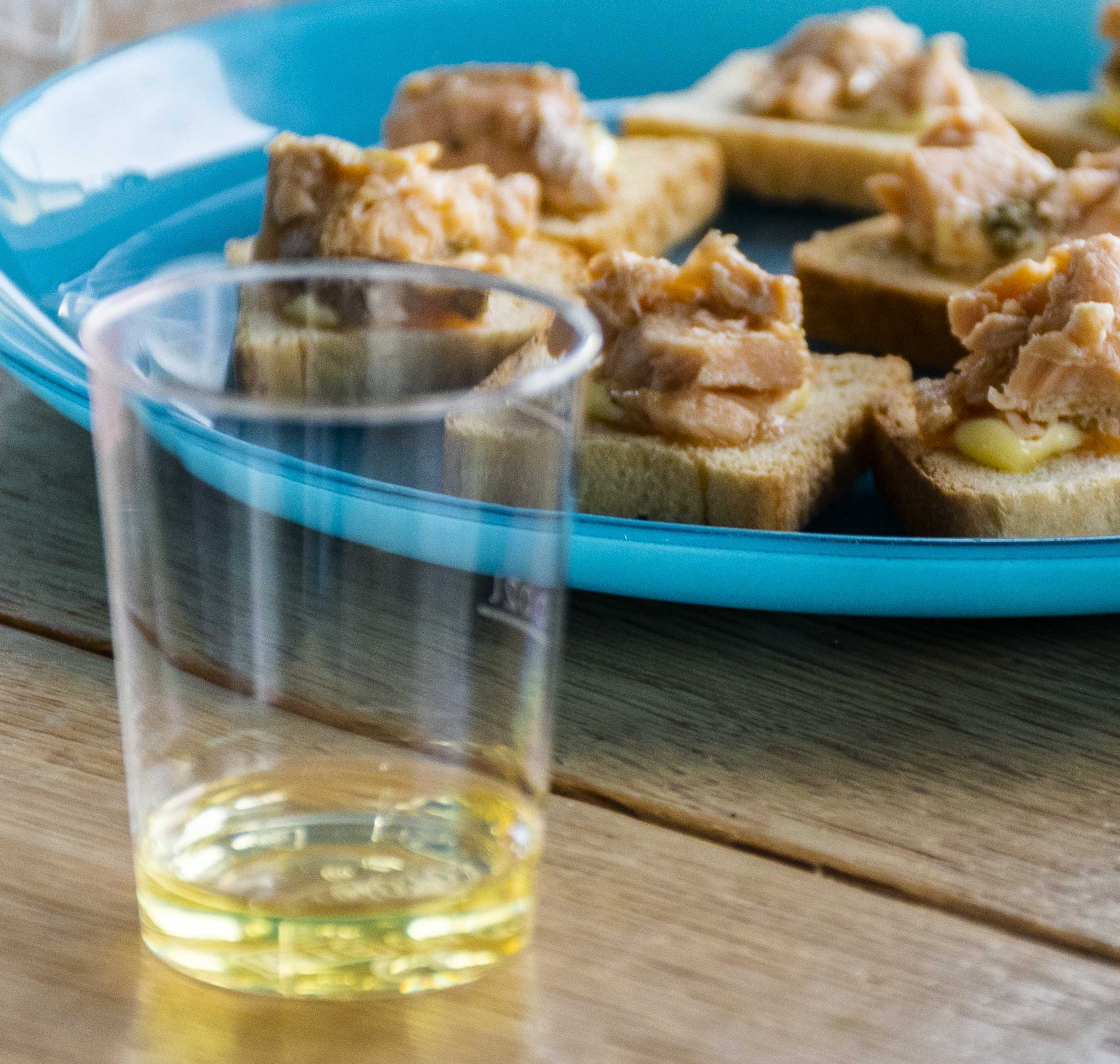
We were treated to a taste of several Ísland delicacies. First up – herring oil infused with lemon flavoring. Two teaspoons of this syrup – which actually tastes quite good – provides all the omega 3 you need each day. We followed the herring oil with tinned salmon with a bit of garlic mayo on a cracker.
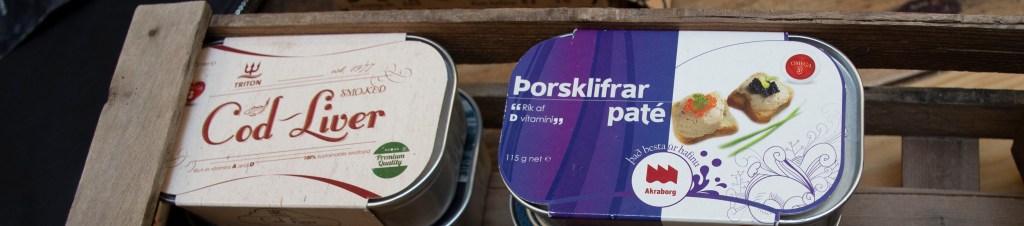
Next up was cod liver paté, dried cod with butter – William says everything in Ísland tastes better with butter – and our reward, a cod derived candy soon to be marketed overseas. Yum! Feeling fortified and with my blood pressure at a new low, I took a couple of non-cod photos just for fun.
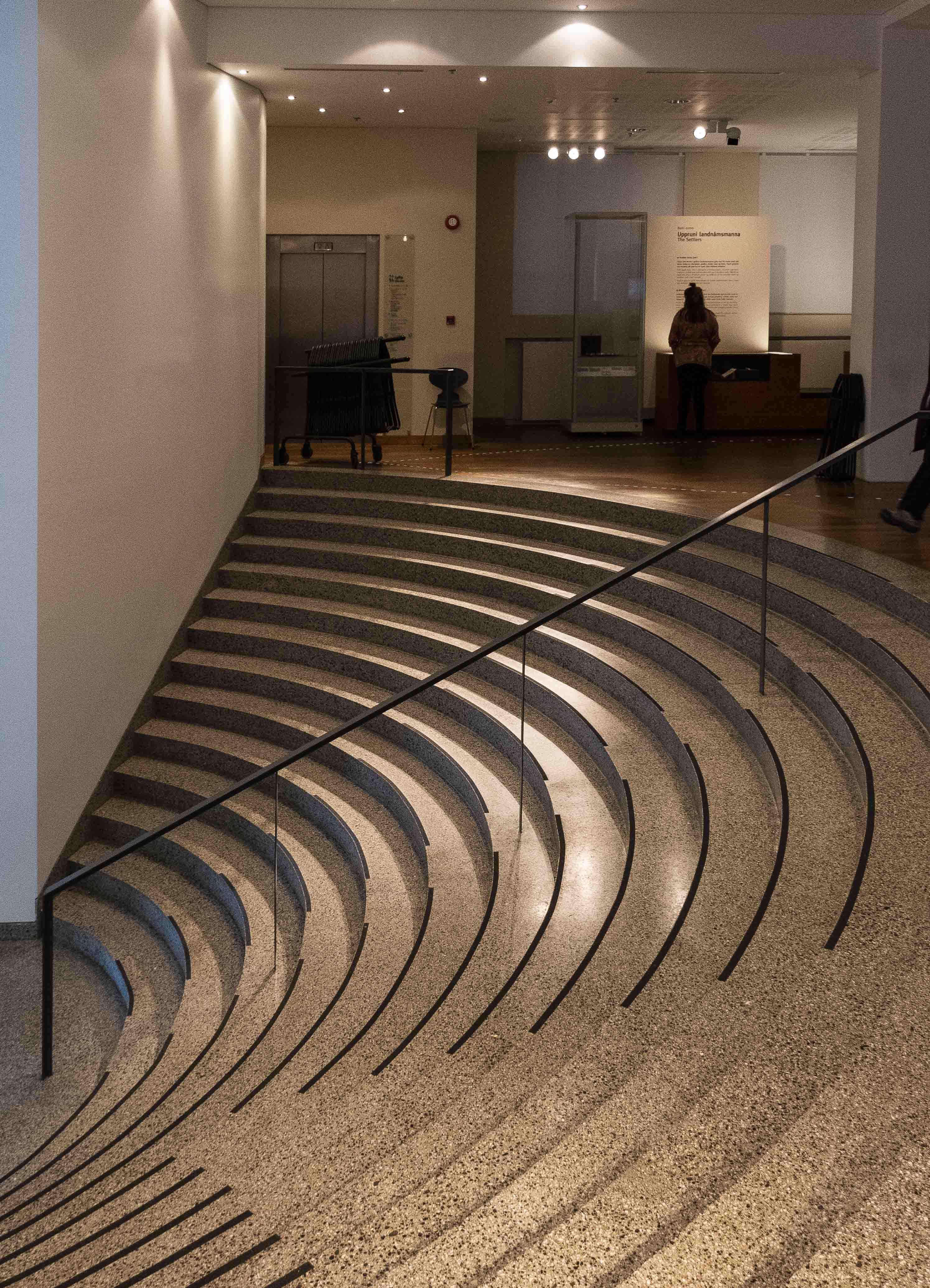
The National Museum of Ísland first opened in 1863. In 1950 construction began on a new home for the collection of 2,000 objects and 1,000 photographs. The current building is quite lovely with a broad curving set of steps leading up to the start of the exhibition.
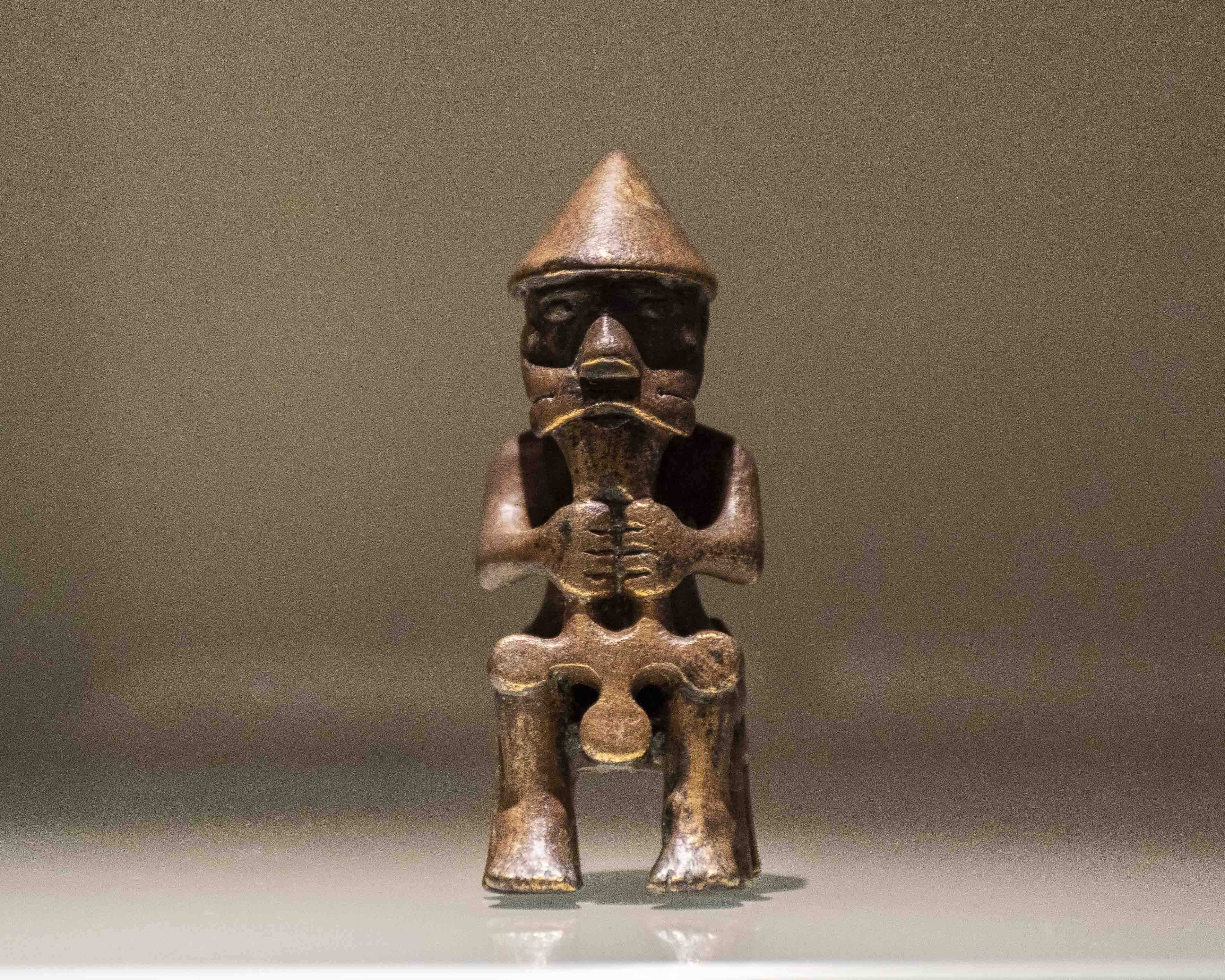
The Making of a Nation is the name of the permanent exhibit, set out as a journey through time. Fronting the exhibit is this tiny bronze figure – not more than 3″ tall – thought to be Thor, one of the Norse gods, and dated to around 1000 AD.
Hlynur, our trip leader, really loves corrugated iron and has spent the last two days pointing out well-bent siding on the corner of a building or a particularly lovely shade of the product. I see corrugated iron used in Vancouver for light industrial buildings, usually spotted and often a little rusty from the rain and certainly not valued for its aesthetic characteristics. Not here in Reykjavik though. Houses and commercial buildings often make use of corrugated iron as siding. Thus Hlynur took us for a walk on his favourite street – a street of lovely homes made from … you guessed it … corrugated iron.
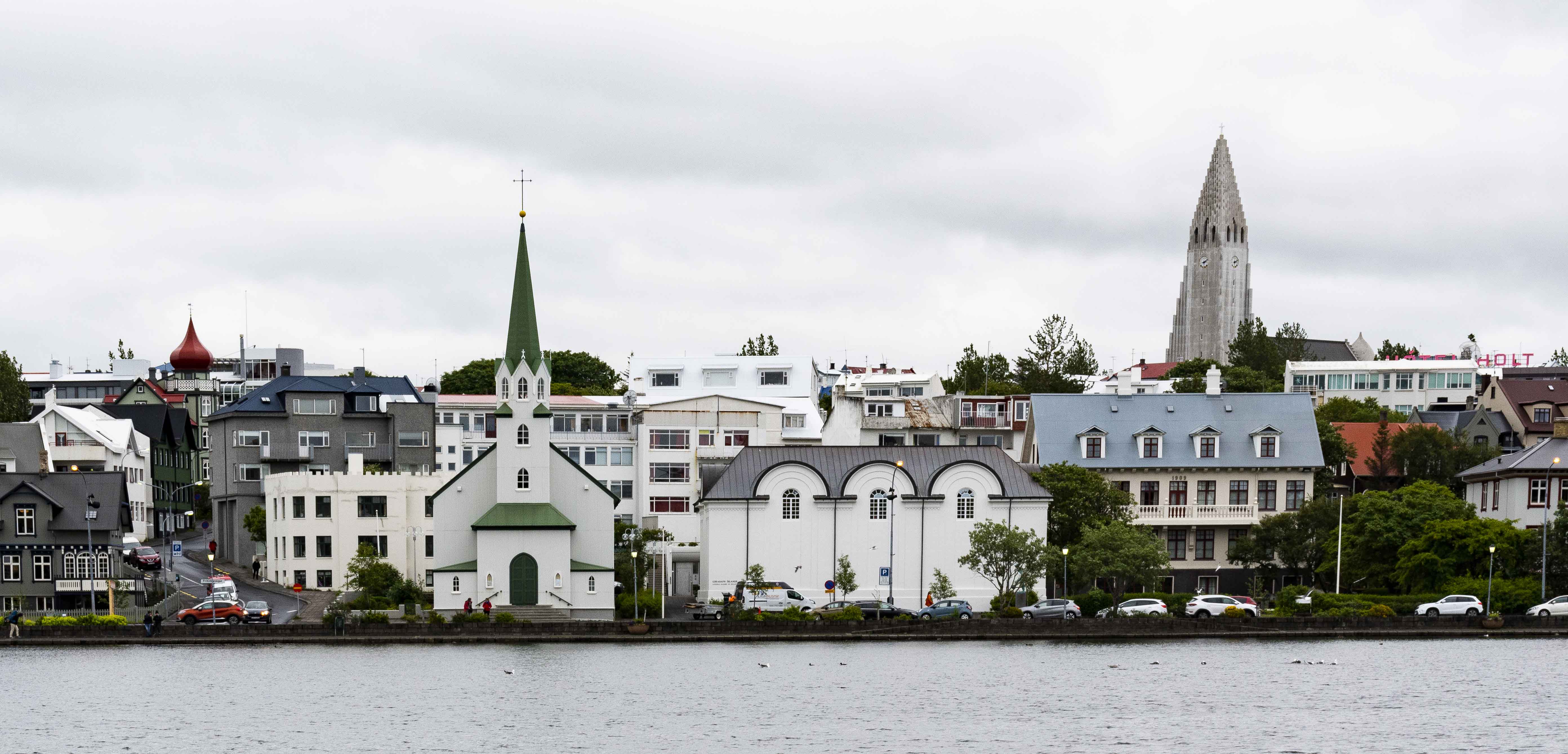
At the end of the street, we caught a glimpse of old Reykjavik across the lake in the middle of the city. Notice the Hallgrímskirkja landmark!
Sue and I headed back to the hotel via transit, of course, which is how we have gotten around Reykjavik for the past two days. After a little rest – my step count is VERY healthy I will have you know – several of us convened in the bar to watch the England-Croatia soccer game announced in Íslandic by a very excited commentator. Fish ‘n’ chips with a beer during the second half finished off an interesting day.
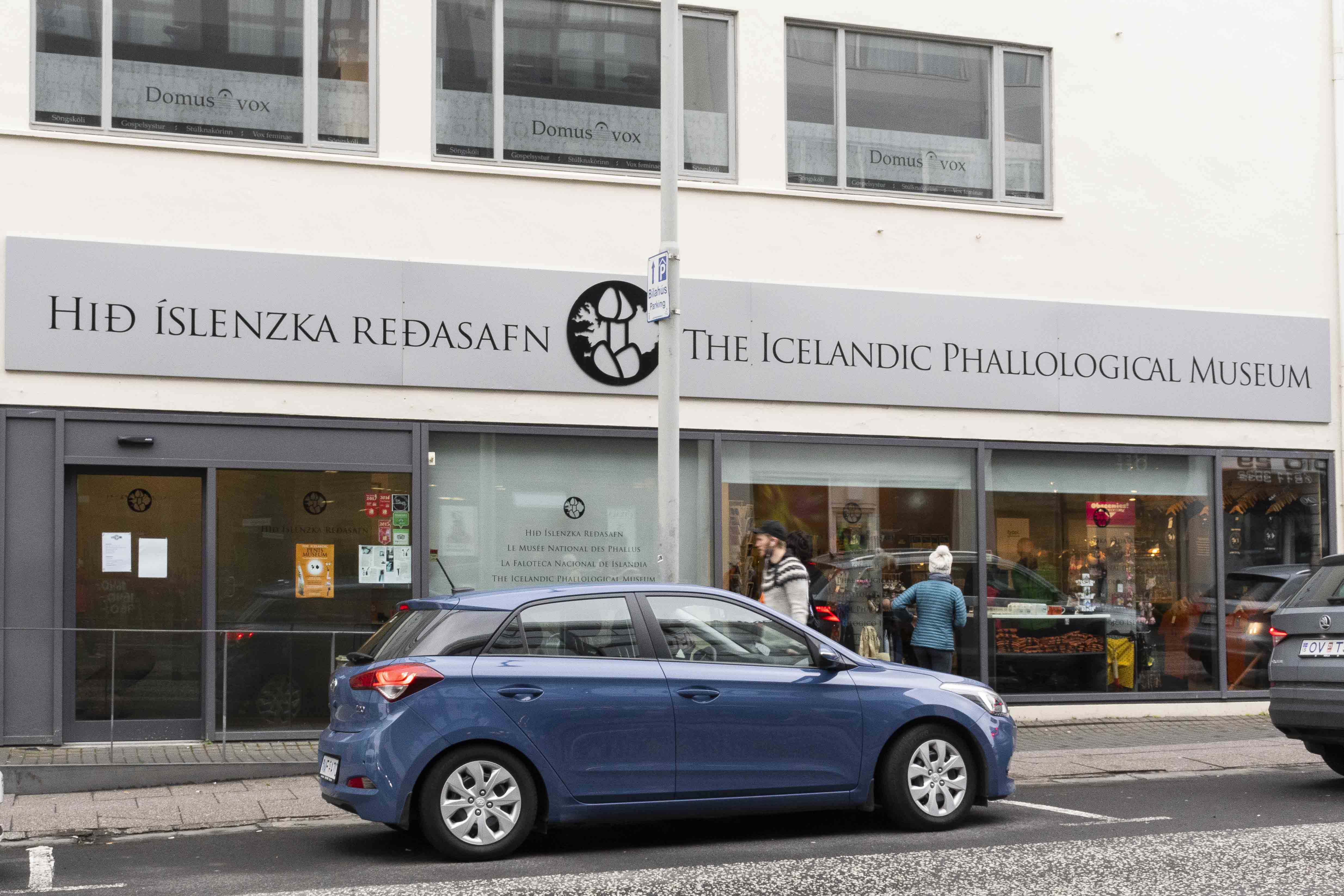
Oh, one place Sue and I decided to pass up on our way to the bus terminal. See below.


Leave a Reply