On the Move

Wellington – paddling the waka
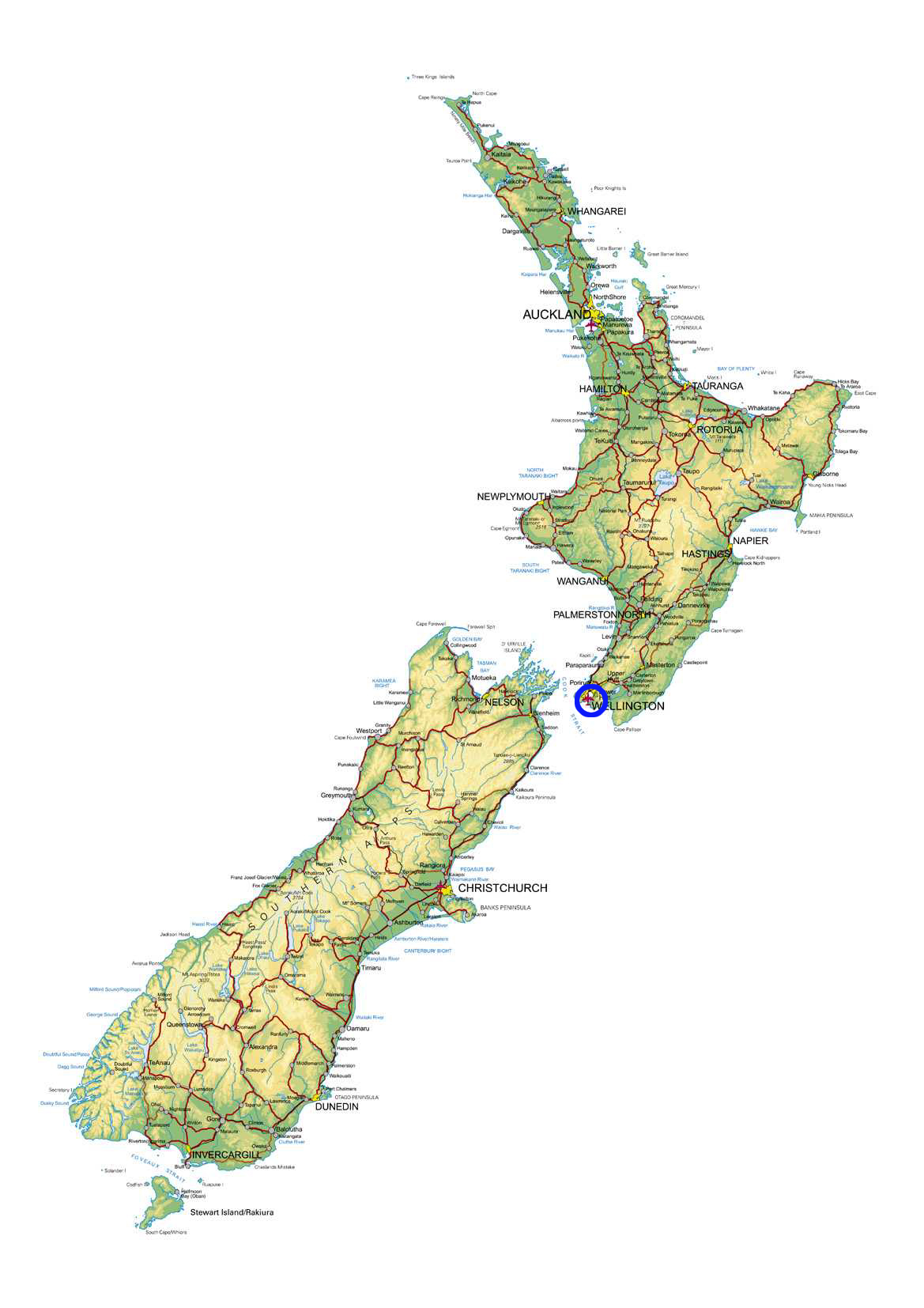
Wellington, NZ circled in blue

Our second day in Wellington began with an immersion into local Māori culture. After learning a Māori child’s song in Māuri – not child’s play! – we headed over to WhareWaka (House of Canoe) for a welcome ceremony where we showed off our musical expertise.

The welcome ceremony begins with hongi, the custom of lightly clasping hands and then pressing noses, that signals peace and friendship. Our Māori hosts welcomed us in Māori and English, and a member of our group reciprocated. We introduced ourselves – ko Nancy oh, nor Vancouver oh in my case – and prepared to learn the art of waka paddling.
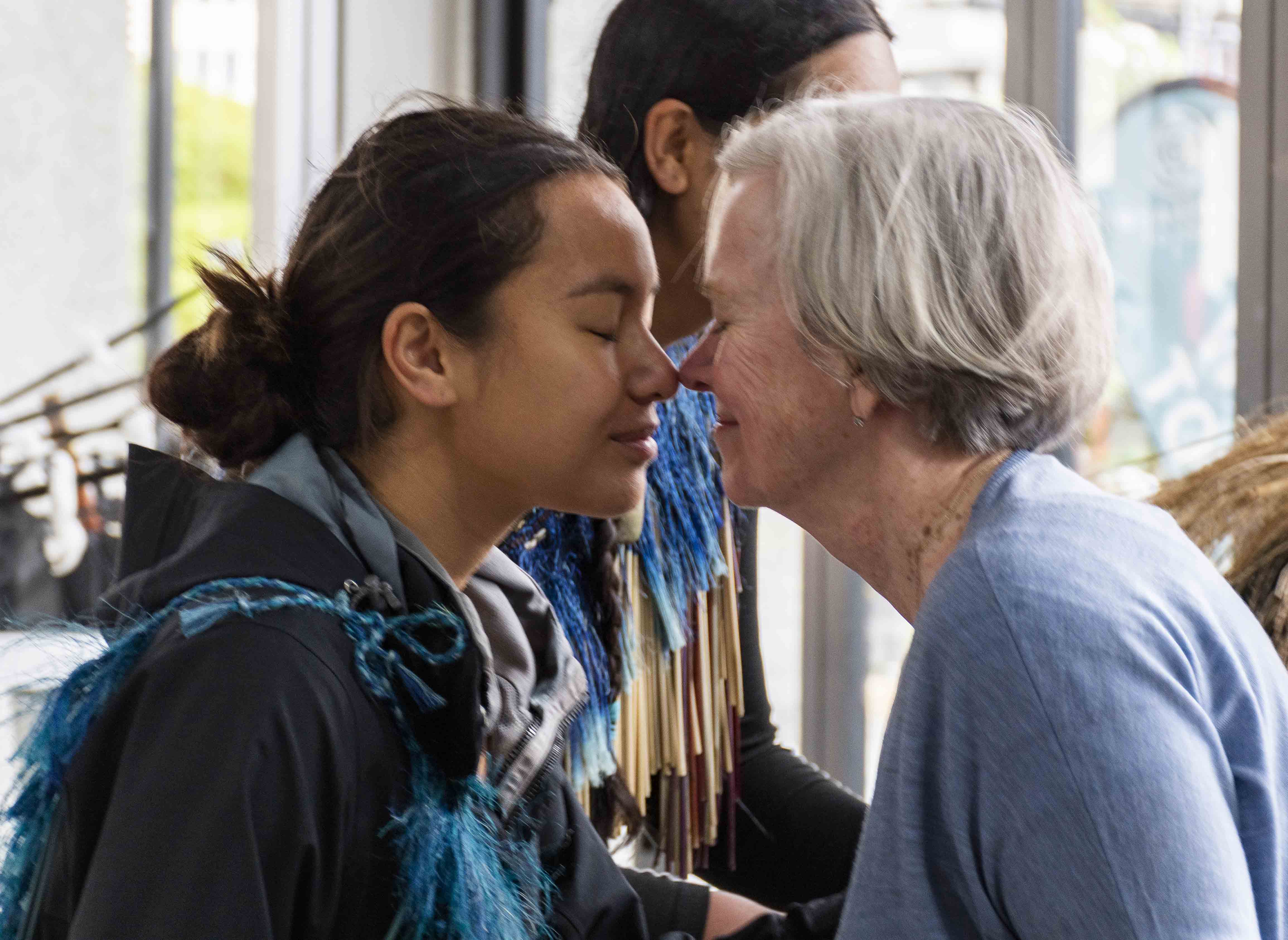
Shirley and Sin “hongi”

Waka (canoe) paddling technique follows a command and response rotation. A caller shouts out a command – forward, backward, stop canoe, etc – and the paddlers repeat the command at the same time as acting it out. All in Māori. And requiring a level of multi-tasking that was at times challenging. We paddled out of the Whairepo Lagoon into Wellington Harbour, glided under a bridge of lovers’ locks (like the one in Paris), and put on a display of fierce challenge for people watching and wondering what on earth we were doing. Fierce challenging requires crossing oars with your seat mate and showing fierce facial expressions to onlookers.
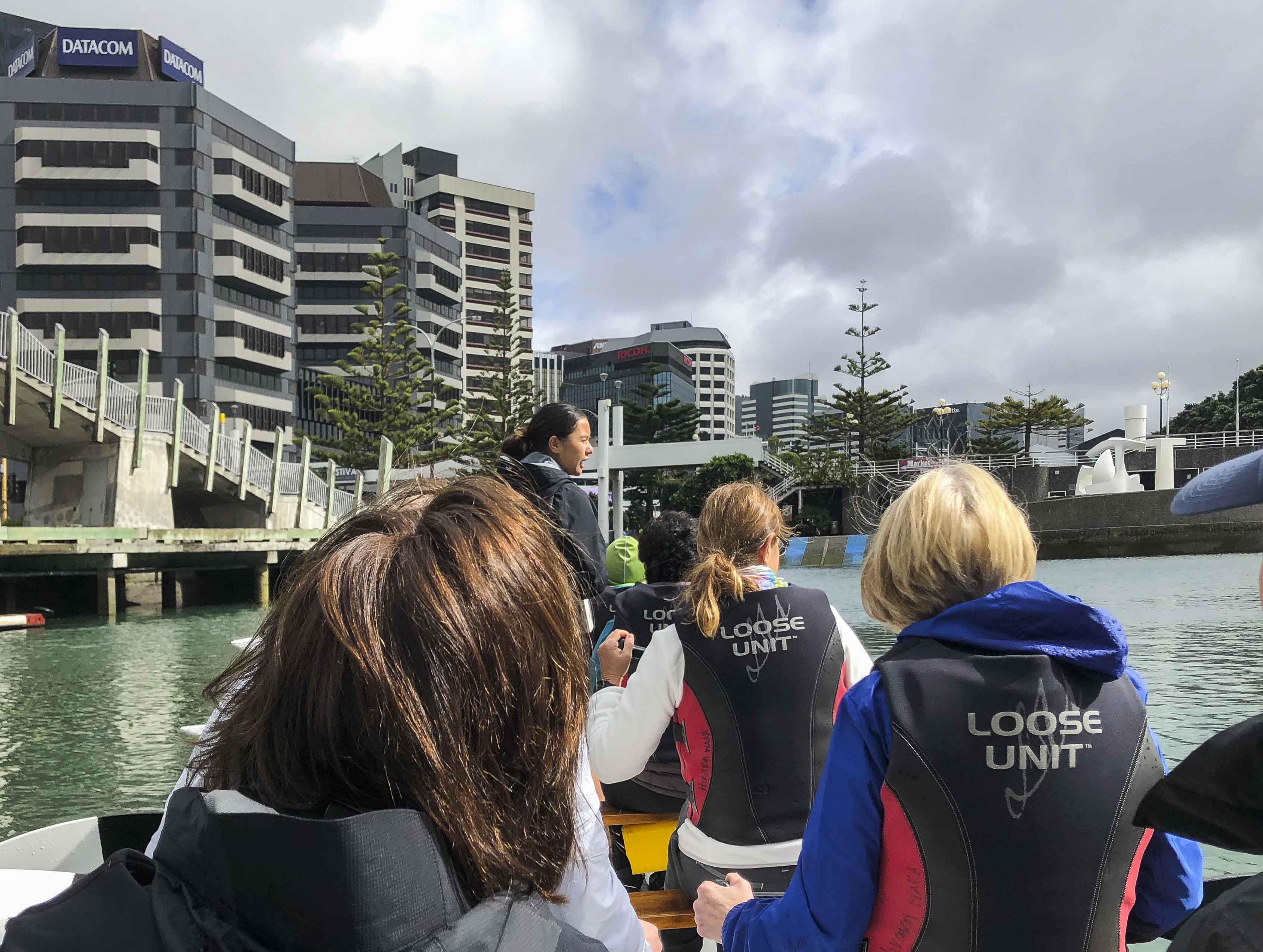
On the waka, Sin calling to us. Lovers’ locks bridge on left

The corporate name on the life vests was appropriate. We were indeed loose units out in Wellington harbour!
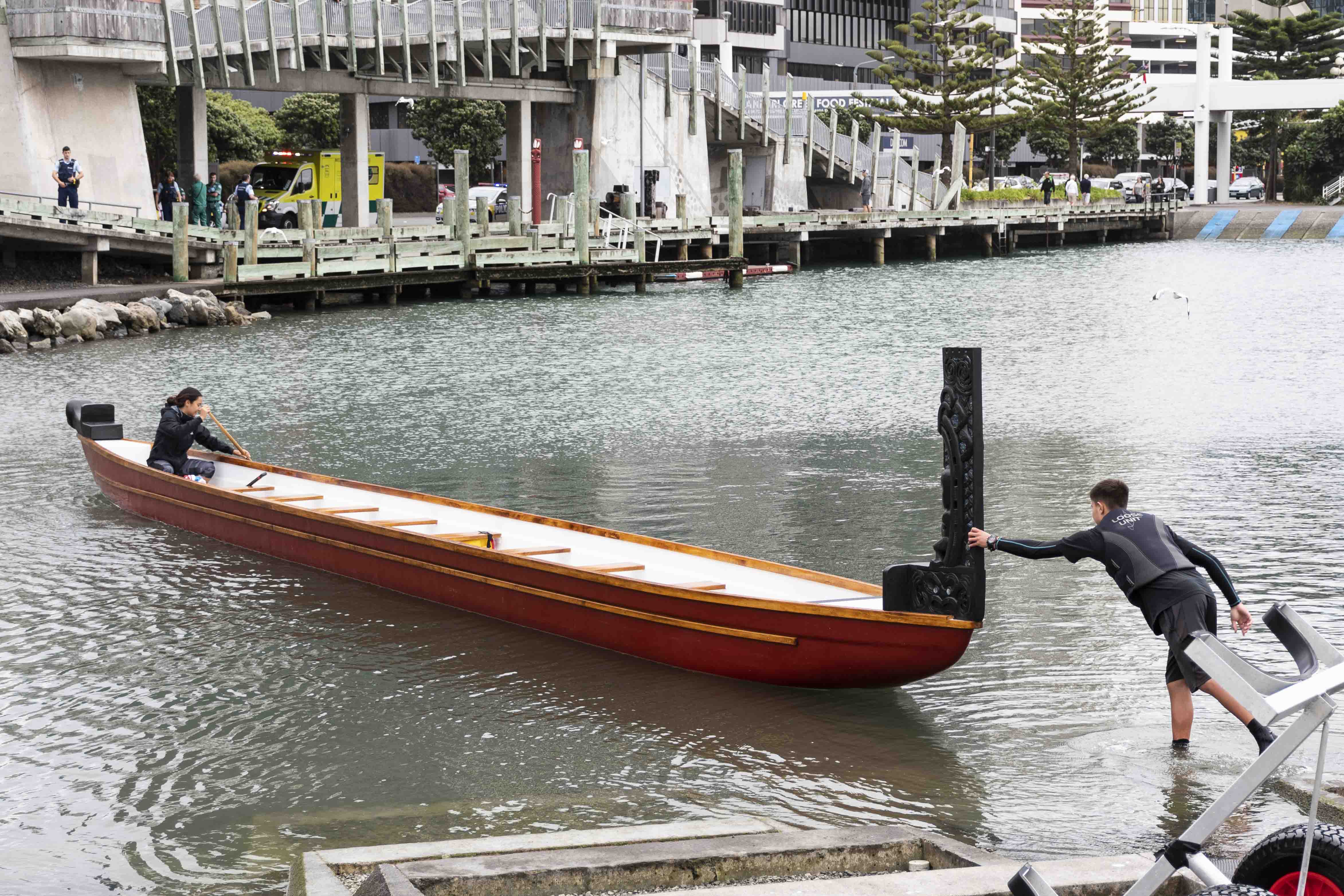
Bringing our waka ashore following our “cruise”

Following our traditional Kiwi-style lunch at the Karaka Cafe adjacent to WhareWaka and run by our Māori hosts, we set out on a walking tour of Wellington, a delightful city! Surrounding Wellington are steep hills, but the “downtown” area is flat. It is on land reclaimed land from the sea, required as Wellington grew. I wrote yesterday that Wellington is a mix of old and new buildings, partly because many old buildings are destroyed in earthquakes. As a result, the government has decreed that all old brick and mortar buildings must replace their facings with a type of lookalike foam cladding as a safety precaution so bricks and mortars won’t fall on unsuspecting Wellingtonians in future earthquakes.
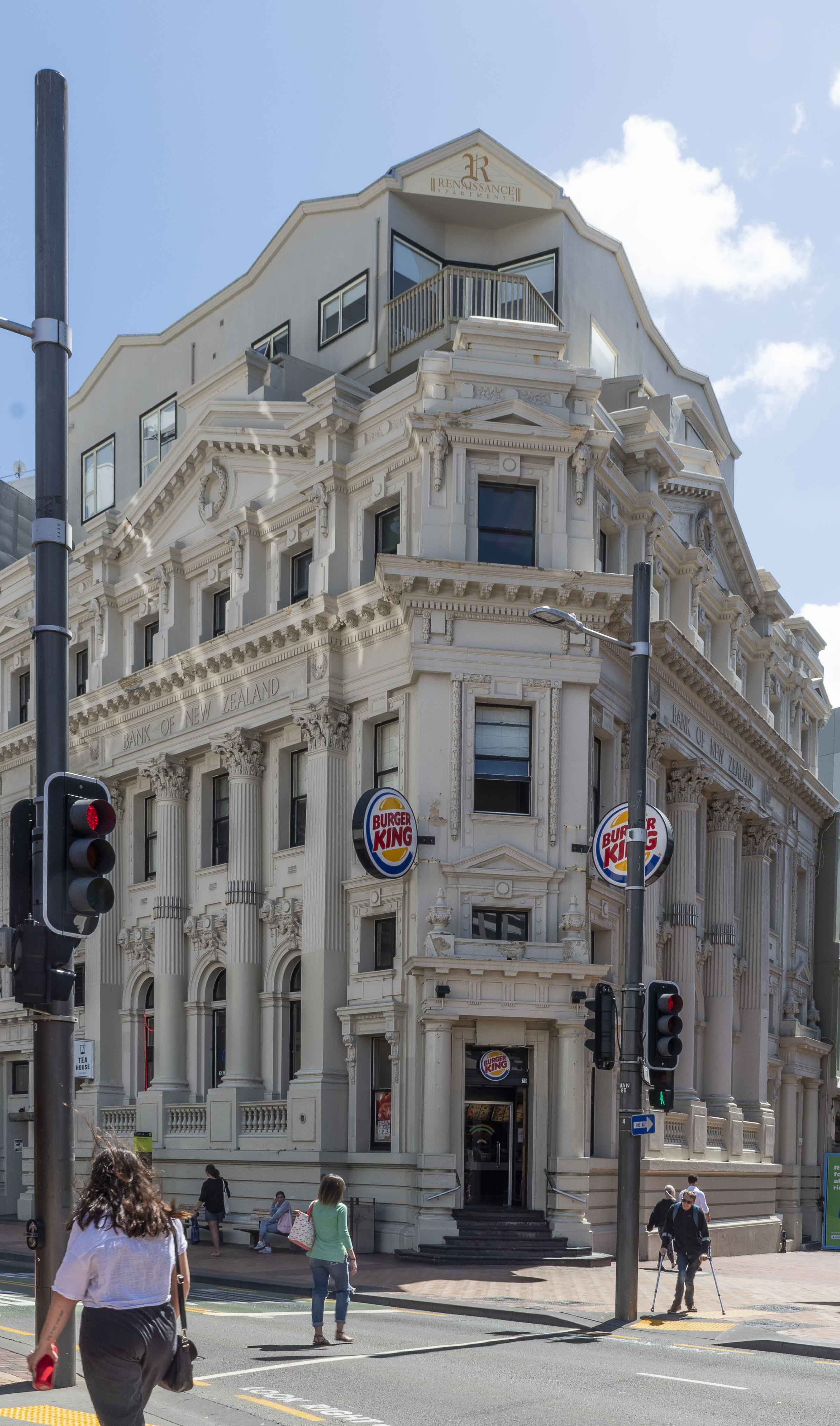
A beautiful old building still in need of cladding replacement

Our city walk took us to a cable car that spirited us up a big hill to the Botanic Garden. Our group leader, Caitlin, is a bit of an expert on the flora of New Zealand so she educated us on various trees and the medicinal (or not) uses of the bark and leaves as we followed a path through the garden and down the hill towards the city. Green, peaceful and quiet only begin to describe the wonder of this garden.
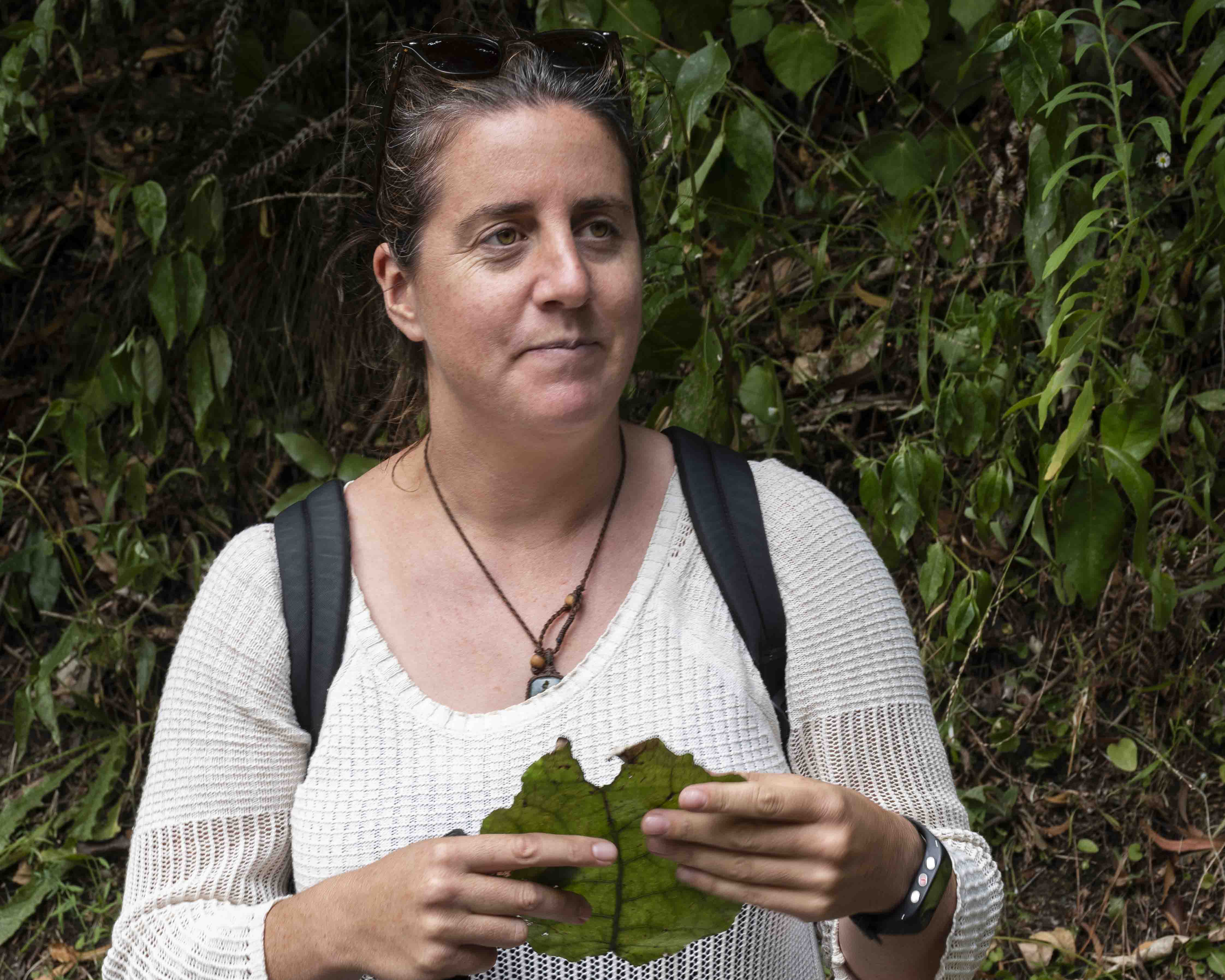
Our group leader Caitlin

This slideshow requires JavaScript.

Several of us took a tour of Parliament which was fascinating. The three buildings that make up the federal government campus – the “bee hive”, Parliament House, and the Parliamentary Library (all in yesterday’s post) – may be beautiful on the outside, but they are stunning on the inside. Several years ago they were retrofitted with earthquake protection “base isolators” which will keep them from collapsing in one of the more than 20,000 earthquakes New Zealand experiences each year. The government took advantage of the renovation to return the older buildings to their original glory, and glorious they truly are. Sadly photos were not permitted, and a search of the internet for pictures of the interior turned up nothing.

Our guide on the tour told us of the mixed member proportional (MMP) system of voting in New Zealand. It made perfect sense to me, having just survived the voting referendum in British Columbia, but it left my sister who is a US resident scratching her head. Full disclosure – I voted for MMP and was disappointed that BC voted to stick with the first-past-the-post system.

I feel like I have found my spiritual home in New Zealand. It was the first country in the world to give the vote to women. Carnen Rupe was elected to Parliament as an openly transgendered woman in 1999 and served as a cabinet minister. Same sex marriage was legalized in 2013.  New Zealand has one of the longest operating democratic governments in the world. In 1951, after a general election won by the National Party whose platform was in part abolition of the Legislative Council (in Canadian terms, the Senate), the Legislative Council held one meeting and voted itself out of existence. New Zealand now has no chamber of sober second thought and manages quite well. I imagine Canada could survive without its Senate too!

Here’s a quick adddition to my buildings of Wellington series.  🙂

This slideshow requires JavaScript.

8 responses to “Wellington – paddling the waka”

  1. Dianne Armer Avatar
    Dianne Armer

    Do t get me started about how much better the US would be with both the executive and legislative branches. Loving your blogs. Keep ‘me coming!

    Like

  2. Sue A. Murphy Avatar
    Sue A. Murphy

    So glad you are enjoying Windy Wellington and have found your spiritual home in NZ/ I think there is (or was before the earthquake) a fabulous statue in Christchurch to the women who fought for emancipation.. Hope you can find it! Glad you loved the botanical garden – its one of the nicest I have seen anywhere and your Maori Welcome sounds truly awesome They will have you doing the Haka before your leave! The base isolators are what they are trying to do at MOA – I’m sure they must have been in touch with the engineers in NZ for advice! Thanks so much, Nancy. We’ll want a demonstration of the hongi when you get back! Sue M.
    !

    Like

    1. nancywcaldwell Avatar

      I really am so enamoured of this country. The people I have met in stores, or local tour guides like the one in Parliament, have been so open and interested and helpful. ❤

      Like

  3. Shelley Avatar

    I’m so glad you took the parliament tour! That was part of the RS trip, but we did the botanical gardens and cable car on our own.
    I worked for three weeks in a Māori school on the Cook Islands and I think you learned more Māori than I!
    The canoeing sounded like fun.

    Like

    1. nancywcaldwell Avatar

      The canoeing was fun, but in typical Wellington fashion we experienced all four seasons during the exercise – bright summer sun, spring rain, fall wind and something else that would have been winter. At least our hosts told us that. 🙂

      Like

  4. Terry Avatar
    Terry

    Terrific architecture shots!

    Like

Leave a Reply

Wellington, NZ circled in blue

Our second day in Wellington began with an immersion into local Māori culture. After learning a Māori child’s song in Māuri – not child’s play! – we headed over to WhareWaka (House of Canoe) for a welcome ceremony where we showed off our musical expertise.

The welcome ceremony begins with hongi, the custom of lightly clasping hands and then pressing noses, that signals peace and friendship. Our Māori hosts welcomed us in Māori and English, and a member of our group reciprocated. We introduced ourselves – ko Nancy oh, nor Vancouver oh in my case – and prepared to learn the art of waka paddling.

Shirley and Sin “hongi”

Waka (canoe) paddling technique follows a command and response rotation. A caller shouts out a command – forward, backward, stop canoe, etc – and the paddlers repeat the command at the same time as acting it out. All in Māori. And requiring a level of multi-tasking that was at times challenging. We paddled out of the Whairepo Lagoon into Wellington Harbour, glided under a bridge of lovers’ locks (like the one in Paris), and put on a display of fierce challenge for people watching and wondering what on earth we were doing. Fierce challenging requires crossing oars with your seat mate and showing fierce facial expressions to onlookers.

On the waka, Sin calling to us. Lovers’ locks bridge on left

The corporate name on the life vests was appropriate. We were indeed loose units out in Wellington harbour!

Bringing our waka ashore following our “cruise”

Following our traditional Kiwi-style lunch at the Karaka Cafe adjacent to WhareWaka and run by our Māori hosts, we set out on a walking tour of Wellington, a delightful city! Surrounding Wellington are steep hills, but the “downtown” area is flat. It is on land reclaimed land from the sea, required as Wellington grew. I wrote yesterday that Wellington is a mix of old and new buildings, partly because many old buildings are destroyed in earthquakes. As a result, the government has decreed that all old brick and mortar buildings must replace their facings with a type of lookalike foam cladding as a safety precaution so bricks and mortars won’t fall on unsuspecting Wellingtonians in future earthquakes.

A beautiful old building still in need of cladding replacement

Our city walk took us to a cable car that spirited us up a big hill to the Botanic Garden. Our group leader, Caitlin, is a bit of an expert on the flora of New Zealand so she educated us on various trees and the medicinal (or not) uses of the bark and leaves as we followed a path through the garden and down the hill towards the city. Green, peaceful and quiet only begin to describe the wonder of this garden.

Our group leader Caitlin

This slideshow requires JavaScript.

Several of us took a tour of Parliament which was fascinating. The three buildings that make up the federal government campus – the “bee hive”, Parliament House, and the Parliamentary Library (all in yesterday’s post) – may be beautiful on the outside, but they are stunning on the inside. Several years ago they were retrofitted with earthquake protection “base isolators” which will keep them from collapsing in one of the more than 20,000 earthquakes New Zealand experiences each year. The government took advantage of the renovation to return the older buildings to their original glory, and glorious they truly are. Sadly photos were not permitted, and a search of the internet for pictures of the interior turned up nothing.

Our guide on the tour told us of the mixed member proportional (MMP) system of voting in New Zealand. It made perfect sense to me, having just survived the voting referendum in British Columbia, but it left my sister who is a US resident scratching her head. Full disclosure – I voted for MMP and was disappointed that BC voted to stick with the first-past-the-post system.

I feel like I have found my spiritual home in New Zealand. It was the first country in the world to give the vote to women. Carnen Rupe was elected to Parliament as an openly transgendered woman in 1999 and served as a cabinet minister. Same sex marriage was legalized in 2013.  New Zealand has one of the longest operating democratic governments in the world. In 1951, after a general election won by the National Party whose platform was in part abolition of the Legislative Council (in Canadian terms, the Senate), the Legislative Council held one meeting and voted itself out of existence. New Zealand now has no chamber of sober second thought and manages quite well. I imagine Canada could survive without its Senate too!

Here’s a quick adddition to my buildings of Wellington series.  🙂

This slideshow requires JavaScript.