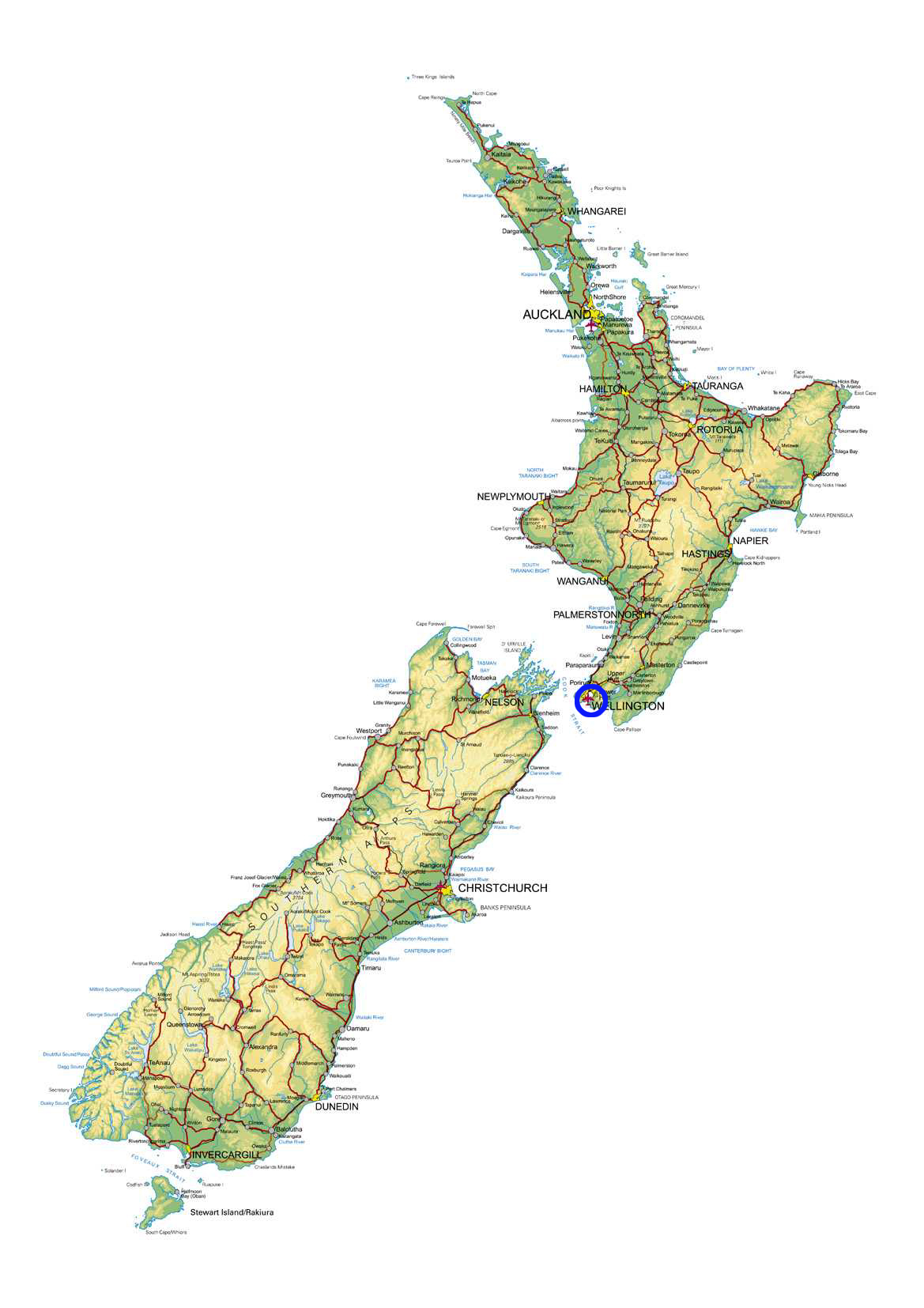
This morning we visited Te Papa, the national museum of New Zealand. A museum guide spent 90 minutes walking us through the exhibits detailing the discovery and arrival of humans in the country.
New Zealand was the last habitable land mass to be discovered, about 800 years ago. The first people came from Polynesia. Way back when- about 60,000 years ago – the ancesters of the Polynesians came from one single valley in Taiwan. DNA analysis and carbon dating of pottery shards found in the south Pacific and New Zealand confirm this.
Prior to the arrival of the Polynesians who would become the Māori, New Zealand was home to birds but no mammals (other than bats if they qualify). The newcomers brought rats (unintentionally) and dogs with them, and these three mammalian groups decimated many of the bird populations on the two islands. When the Europeans arrived later, the disappearance of species accelerated. As a result, current day New Zealanders have become hyper-aware of the importance of preserving their native flora and fauna.
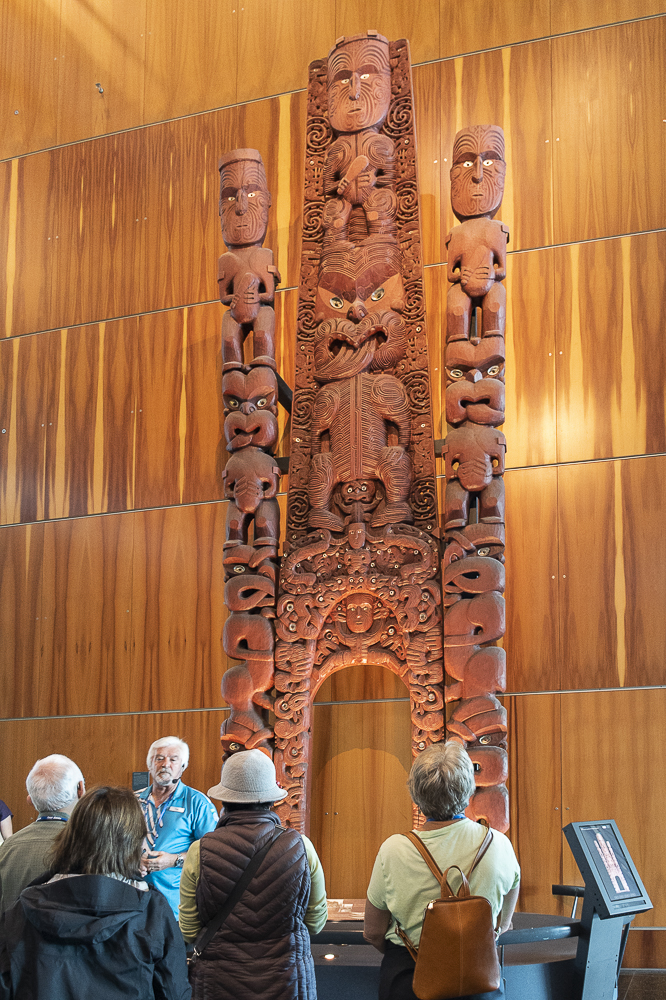
The Māori used to build waharoa, or gates, as entrances to their pa, or villages. Te Papa displayed this ornate waharoa carved in 1906-07. It’s not unlike the carving done by First Nations in British Columbia. (Okay Sue, correct me here if I’m out in left field.)
Along the way, Shirley and I came upon a display of two self-evident truths:

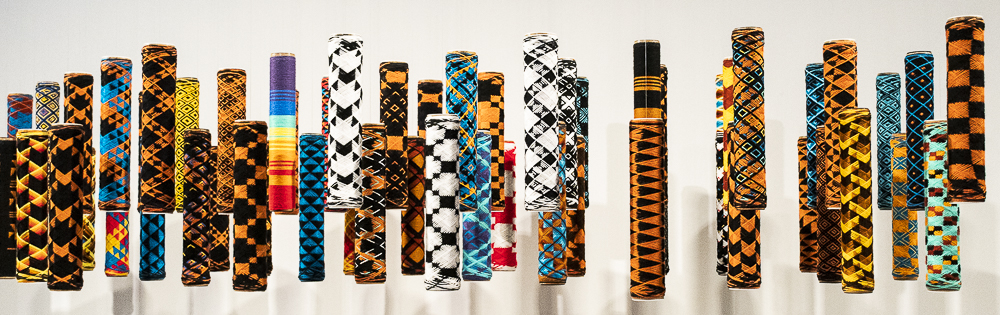
Following the tour of the natural history section of the museum, Shirley and I visited the modern art exhibition. There we found wonderful, colourful, imaginative, beautiful displays of art, many of which were design-oriented. The photo in the header of this post is of cylanders covered with woven yarn, suspended in rows from the ceiling.
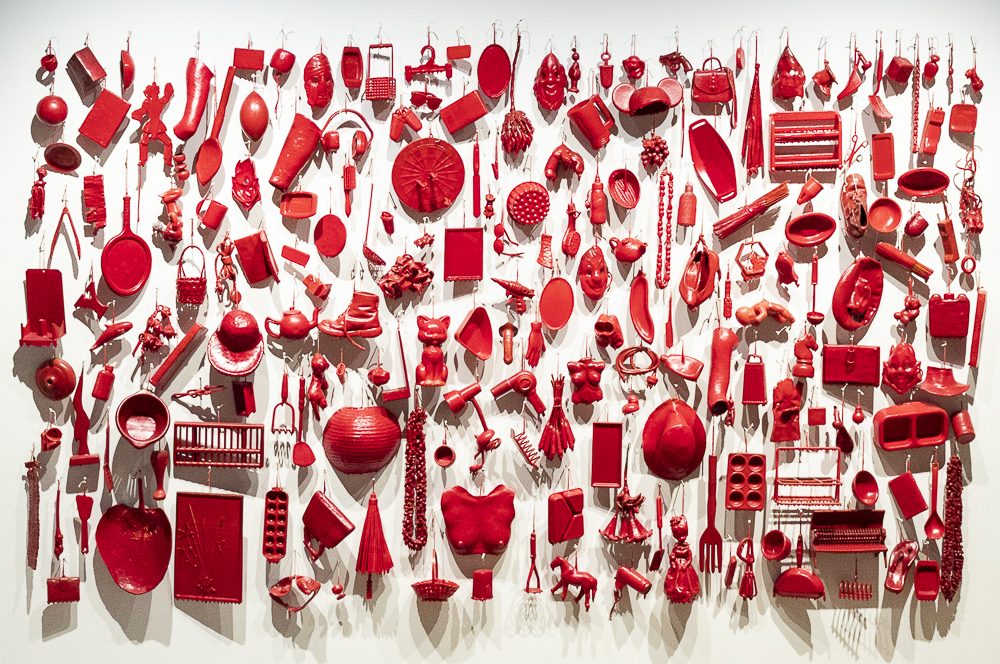
Have you ever wondered what to do with domestic items that are broken or no longer useful? Why not paint them and suspend them as artwork? These are actually waxen, but I can’t see why other materials wouldn’t work.
An exhibit that had me transfixed was twelve “windows” each showing a slo-mo video of a man holding a balloon full of paint. The balloons and the paint were of different colours, and the action would happen in one window or several at the same time. The man would burst the balloon with a long needle releasing the paint. But in the instant the balloon popped, the paint maintained its shape, only cascading down another instant or so later. Watch this video I recorded in real time:
On the way out of Te Papa we pretended to be kids and took each other’s photos in the kiddie-size kaleidoscope. 🙂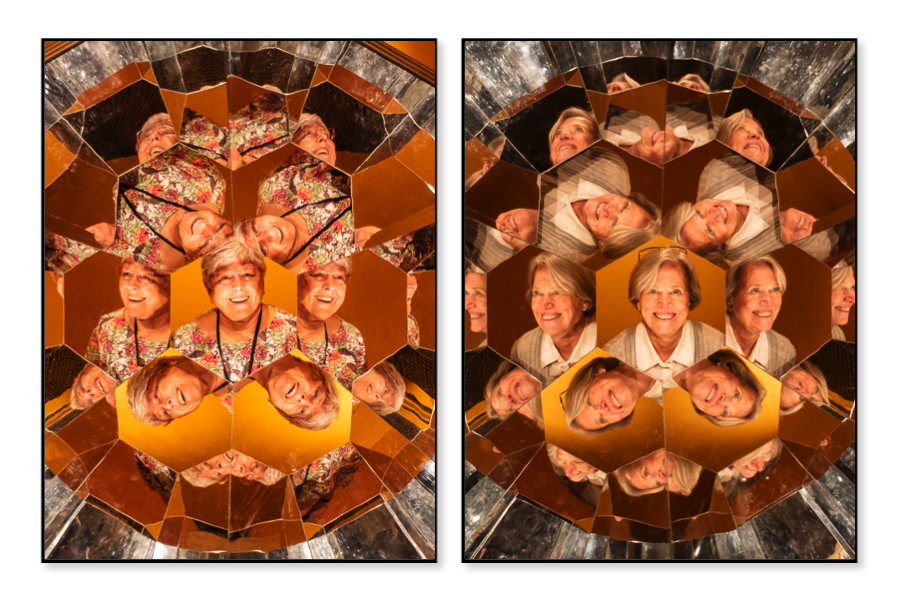
Having the afternoon to ourselves, Shirley and one of our colleagues and I visited Zealandia, a wildlife sanctuary in the Wellington hills.
We spent a couple of hours following various trails, looking mostly at birds but at one point examining a tuatara, one of the dinosaur-era creatures left in New Zealand.
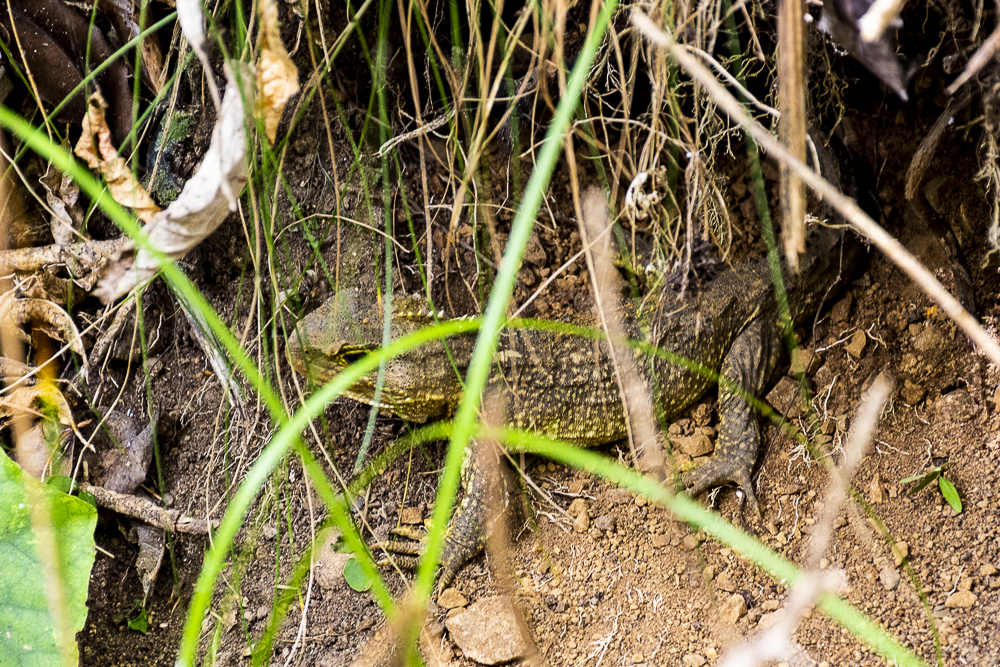
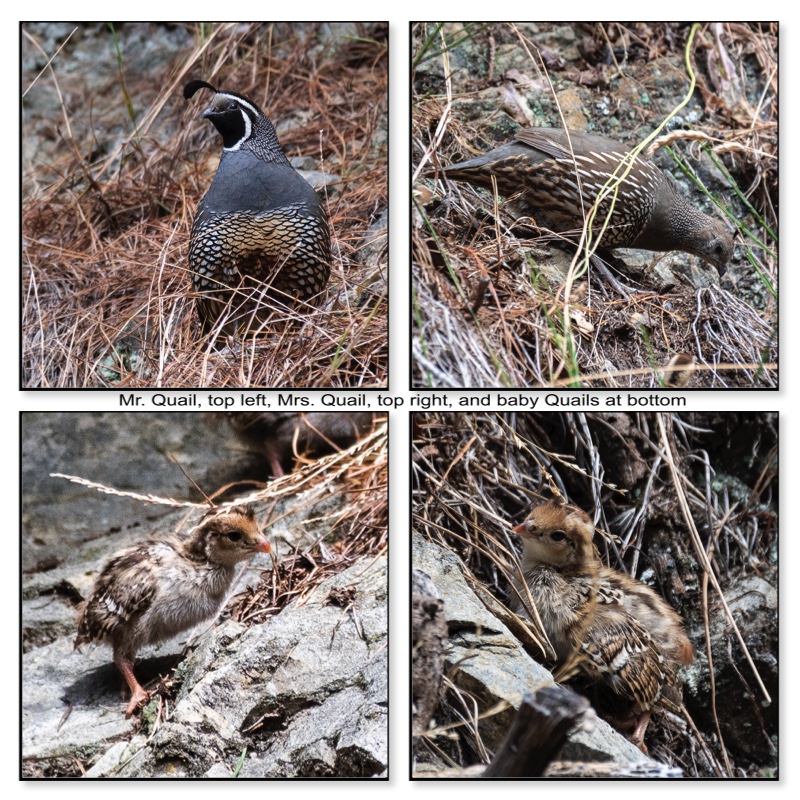
I worked at shooting birds, some with more success than others. Mr. and Mrs. Quail and the two little Quails were especially easy to photograph. The others – see slide show below – proved more challenging.
And now, sadly, I must say haere ra to Wellington. Haere ra is a form of goodbye that you use when you will not see the person or place again. Next up – Nelson!


Leave a Reply