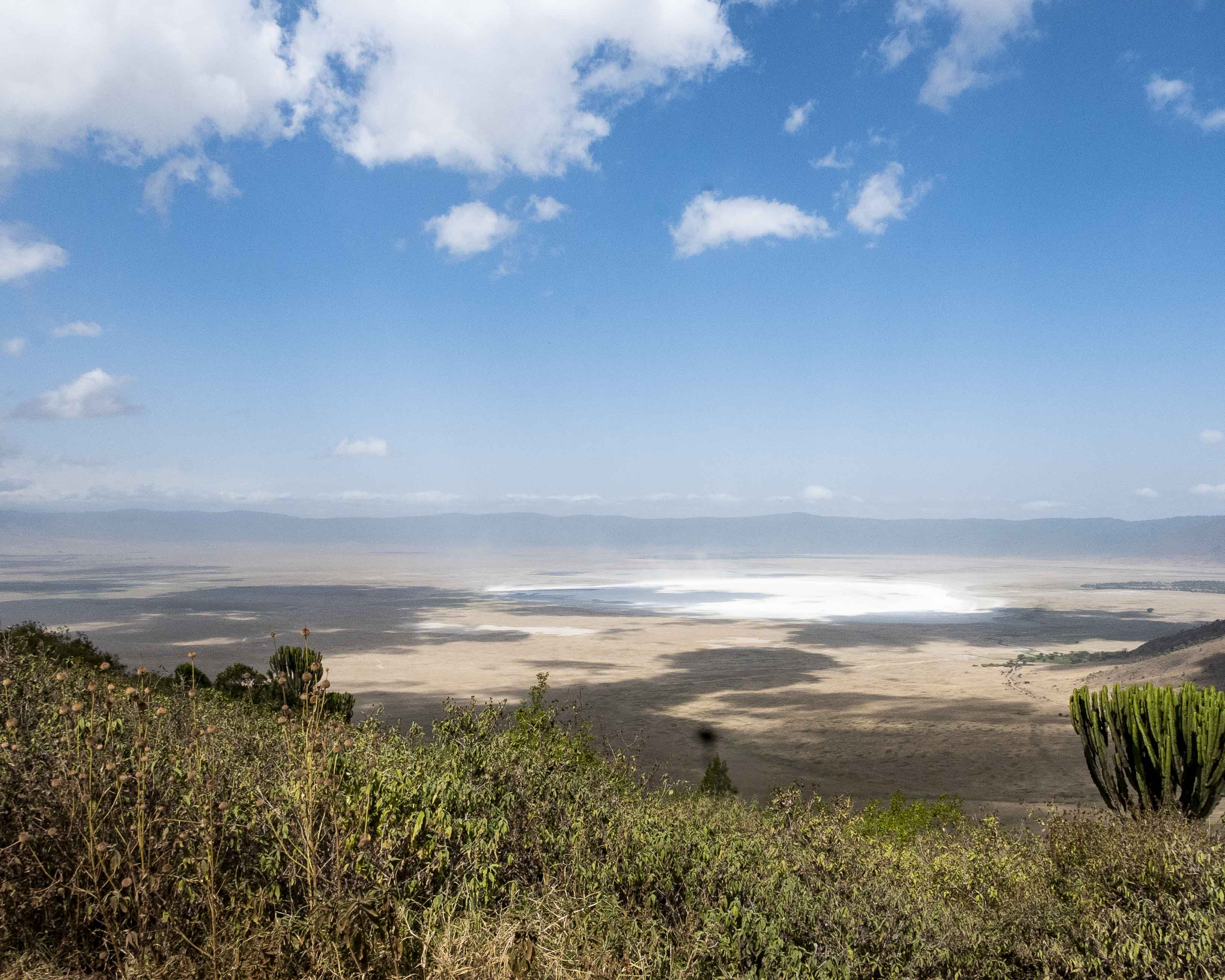
The Ngorongoro Crater is on the site of an imploded volcano and forms a large caldera. No one is allowed to live within the caldera so our hotel is on the upper edge but still within the Ngorongoro Conservation Area.
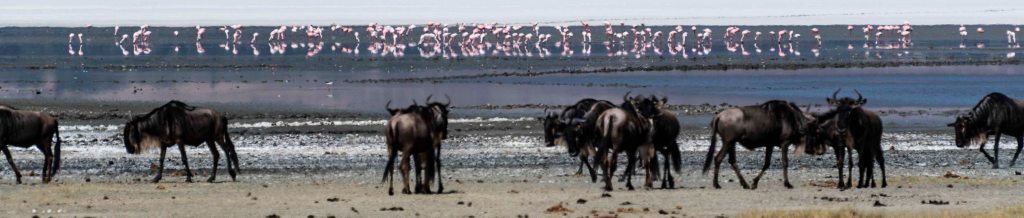
A half hour drive took us down a steep slope into the caldera. There are two main lakes within – one is a salt lake, dry in this season, and the other is a fresh water lake. In the photo to the left, the white patch is the bed of the salt lake. The header photo features wildebeests in front of the fresh water lake, and in back a flock of flamingoes my telephoto lens was not powerful enough to capture clearly.
We went on an afternoon game drive when we arrived at the Crater and a full day drive the following day. Our hotel was the lovely Ngorongoro Serena Safari Lodge. The lodge spreads out along the lip of the crater which itself is somewhat downward sloping. My room was 62 stairs from reception, relieved every 10 stairs with flat walk before the next flight. It was good to get some exercise after all the sitting (and mostly bouncing) we do in the land cruisers.
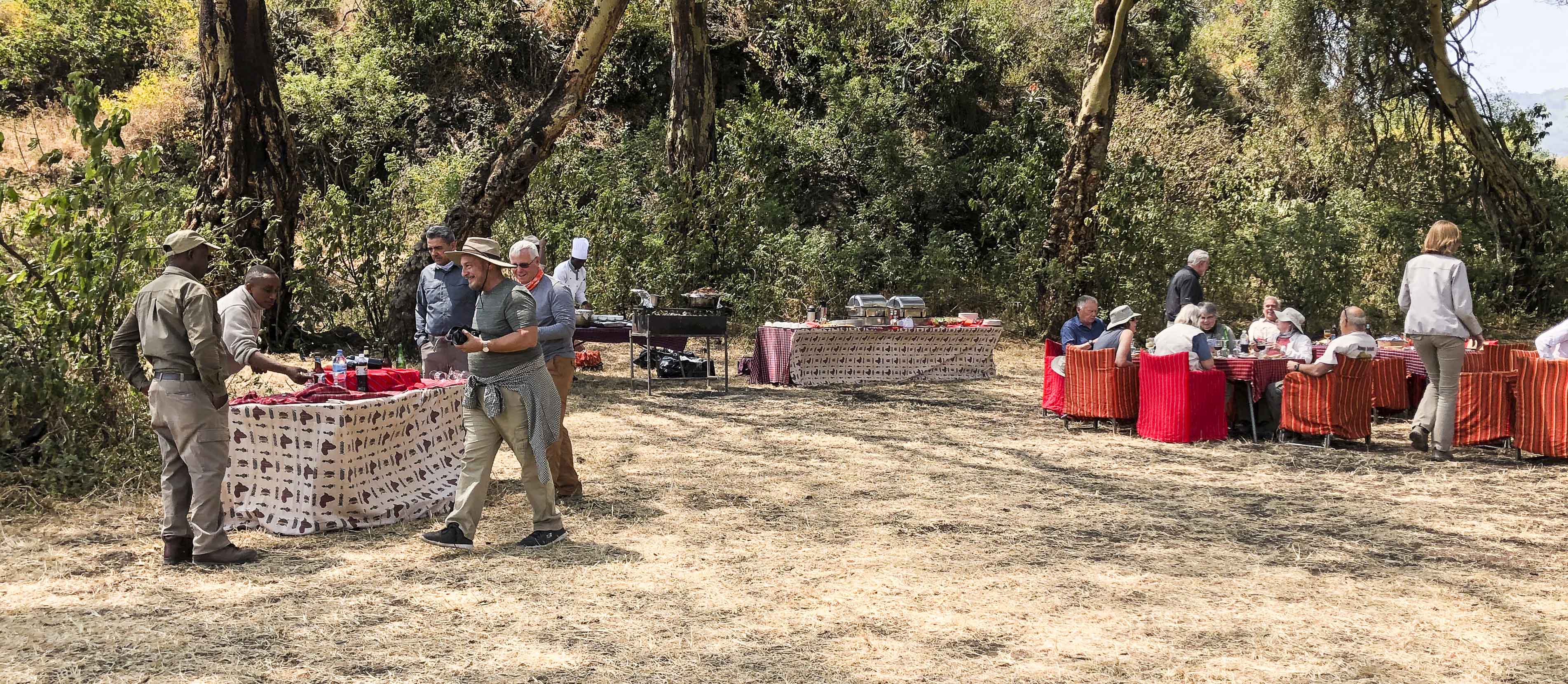
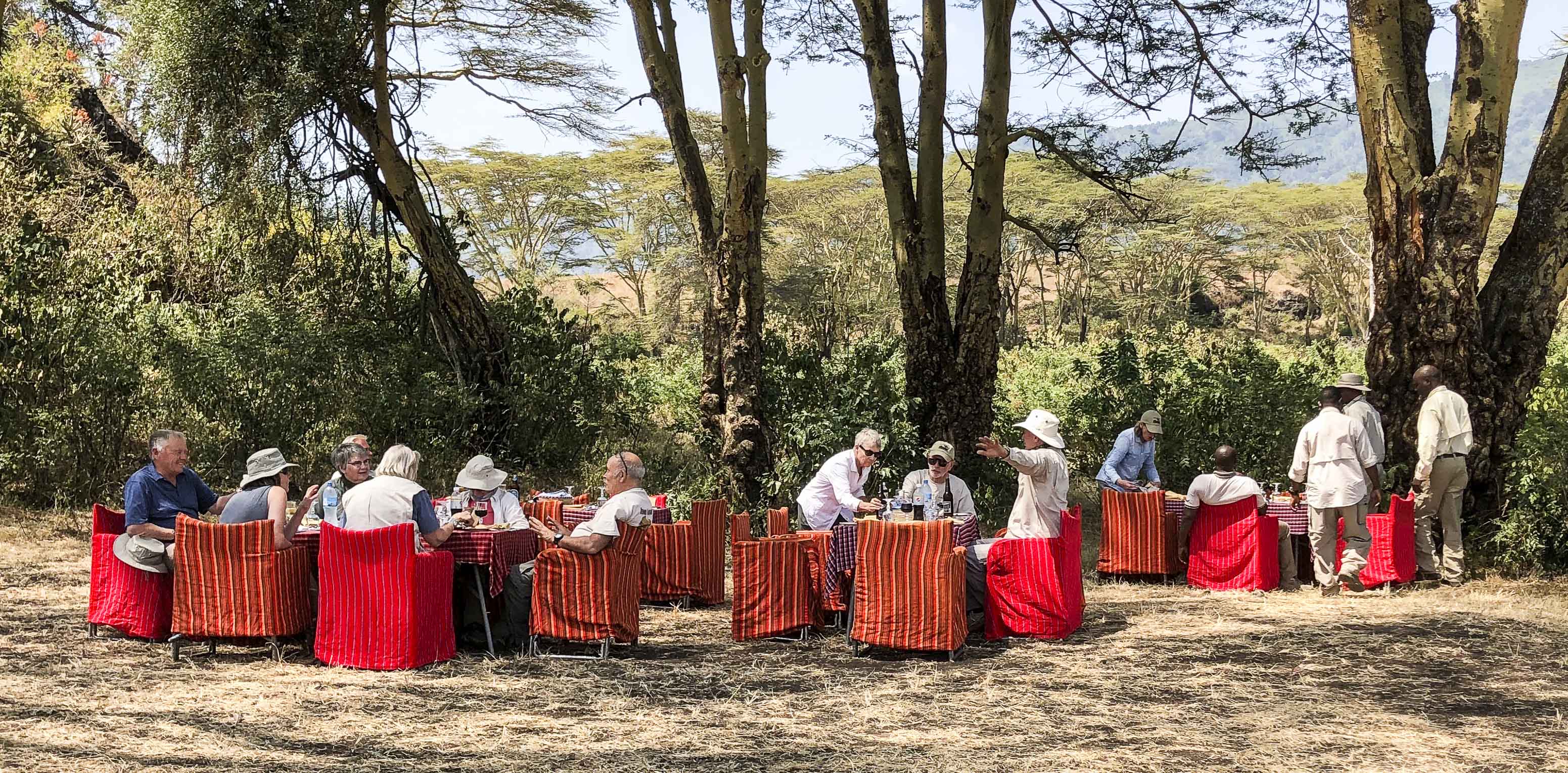
On our full day drive the Lodge provided us with a very civilized lunch in the bush, complete with bar, barbeque and tented portable toilet. We were expecting a box lunch so this was a pleasant surprise.
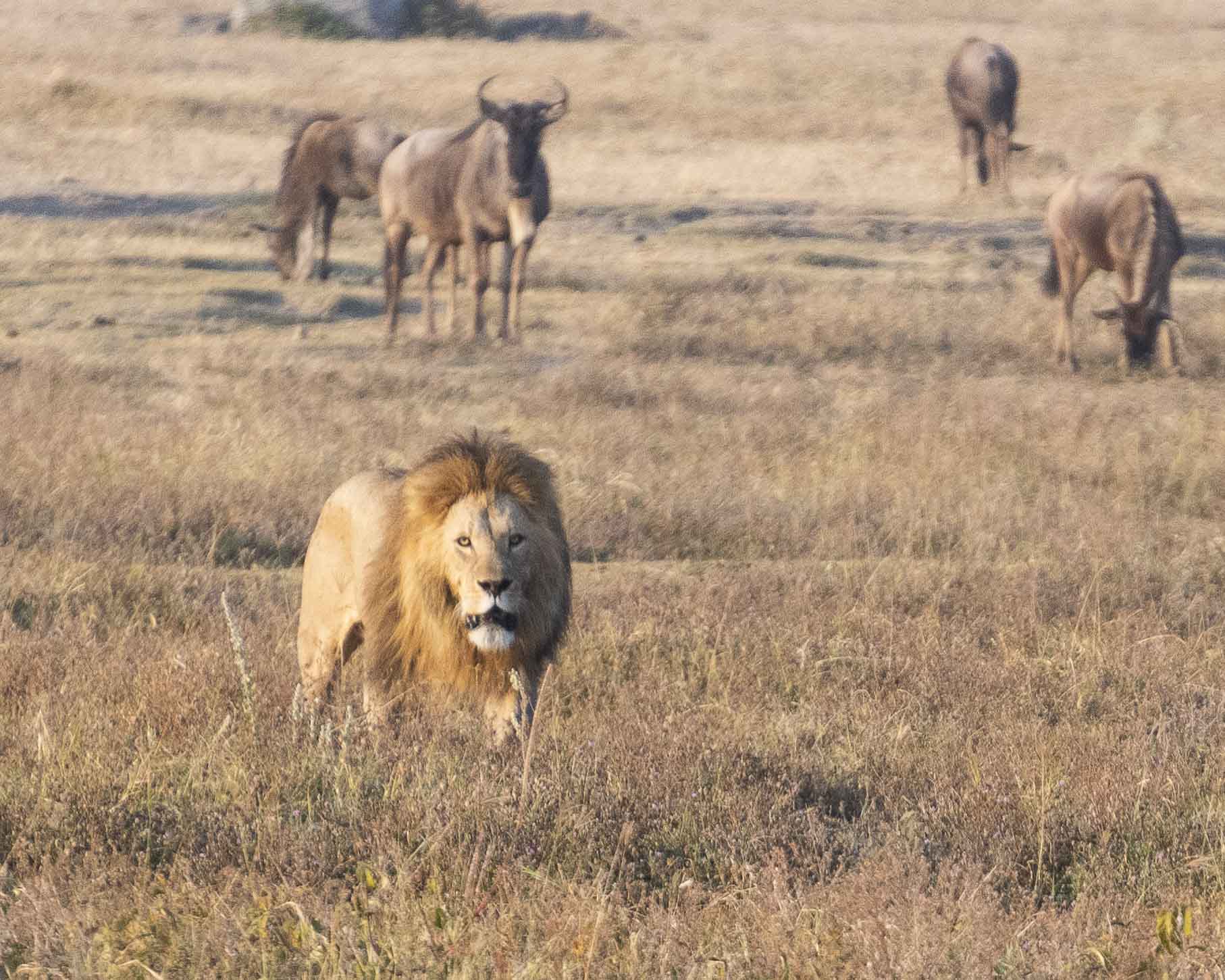
I believed that Tarangire National Park was as full of wildlife as a park could be but that was before my introduction to the Ngorongoro Crater. The diversity and quantity of wildlife is breathtaking. Again, none of the animals or birds pay any attention to us unless they are standing in the middle of the road when we approach. This makes for fabulous photo opportunities. You can see below, the wildebeests are not at all bothered by the male lion passing by as the females are the hunters of the family.
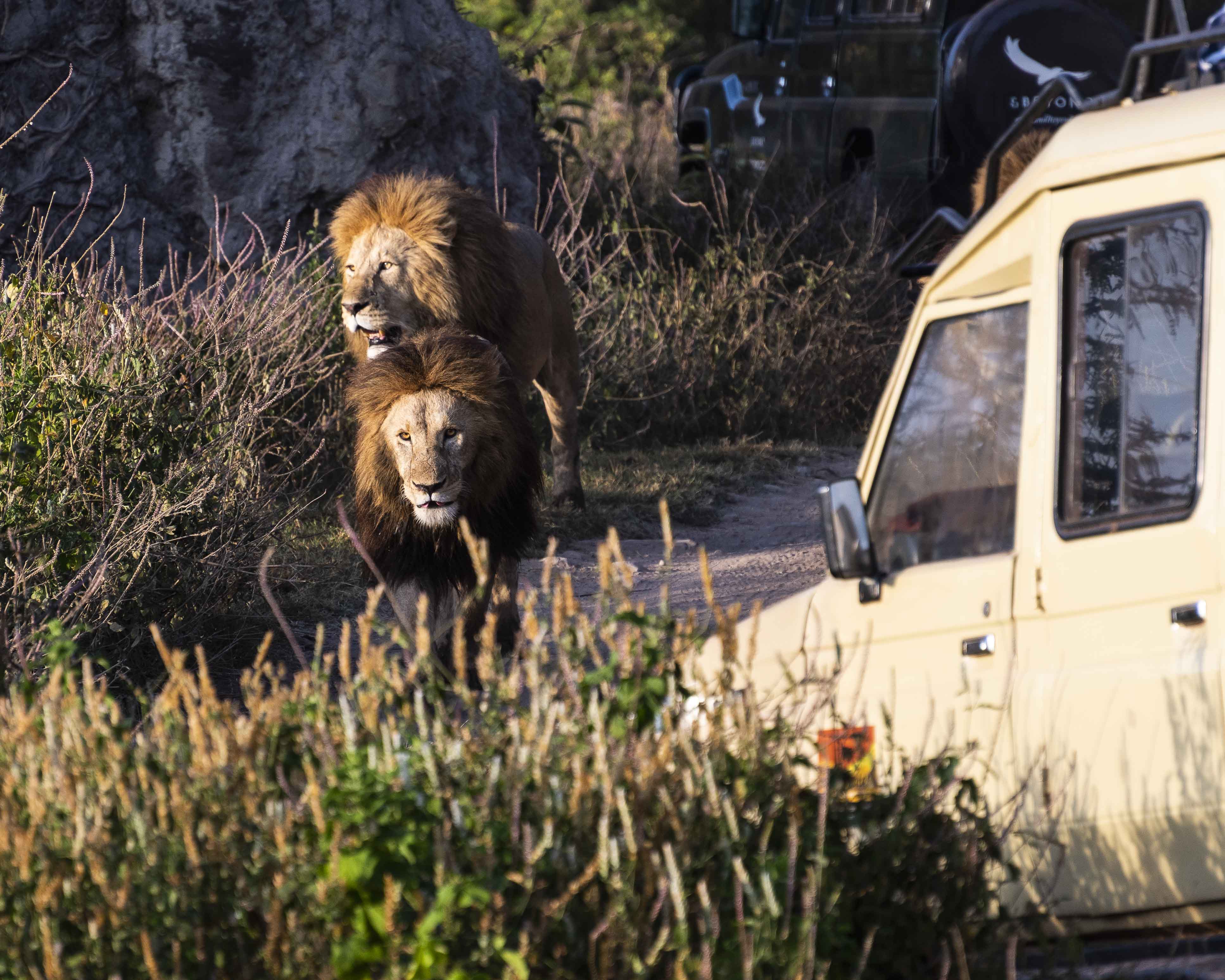
And a bachelor herd of three lions was not worried about us, casually walking by our many trucks and continuing on their way.
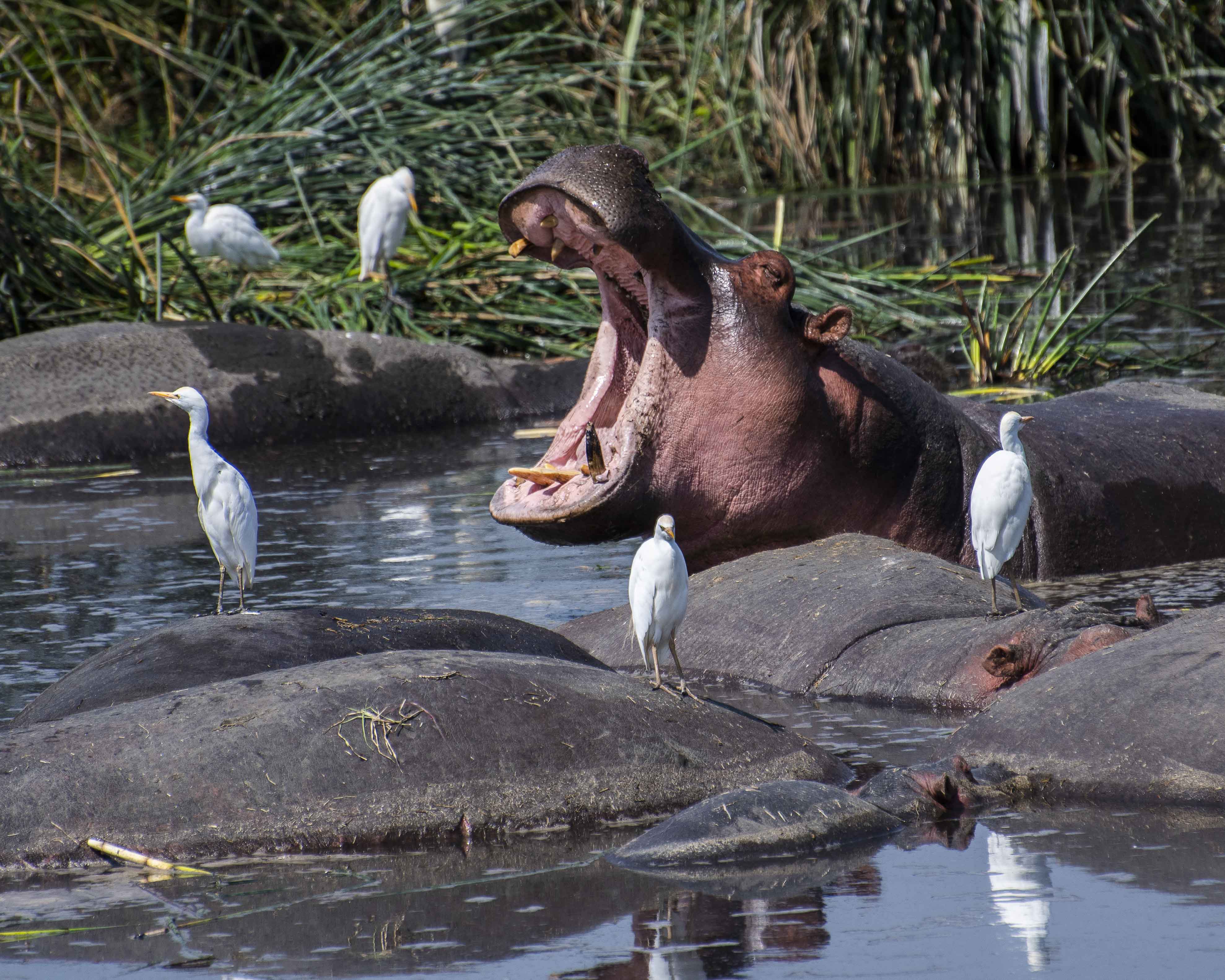
We visited a hippopotamus pool full of hippos and birds that feed on marine life the hippos dig up. The hippos cannot swim so their pools must be shallow yet deep enough for them to submerge and escape the sun. As they (generally very slowly) change position they disturb the bottom of the pond and drive edibles to the surface for the birds.
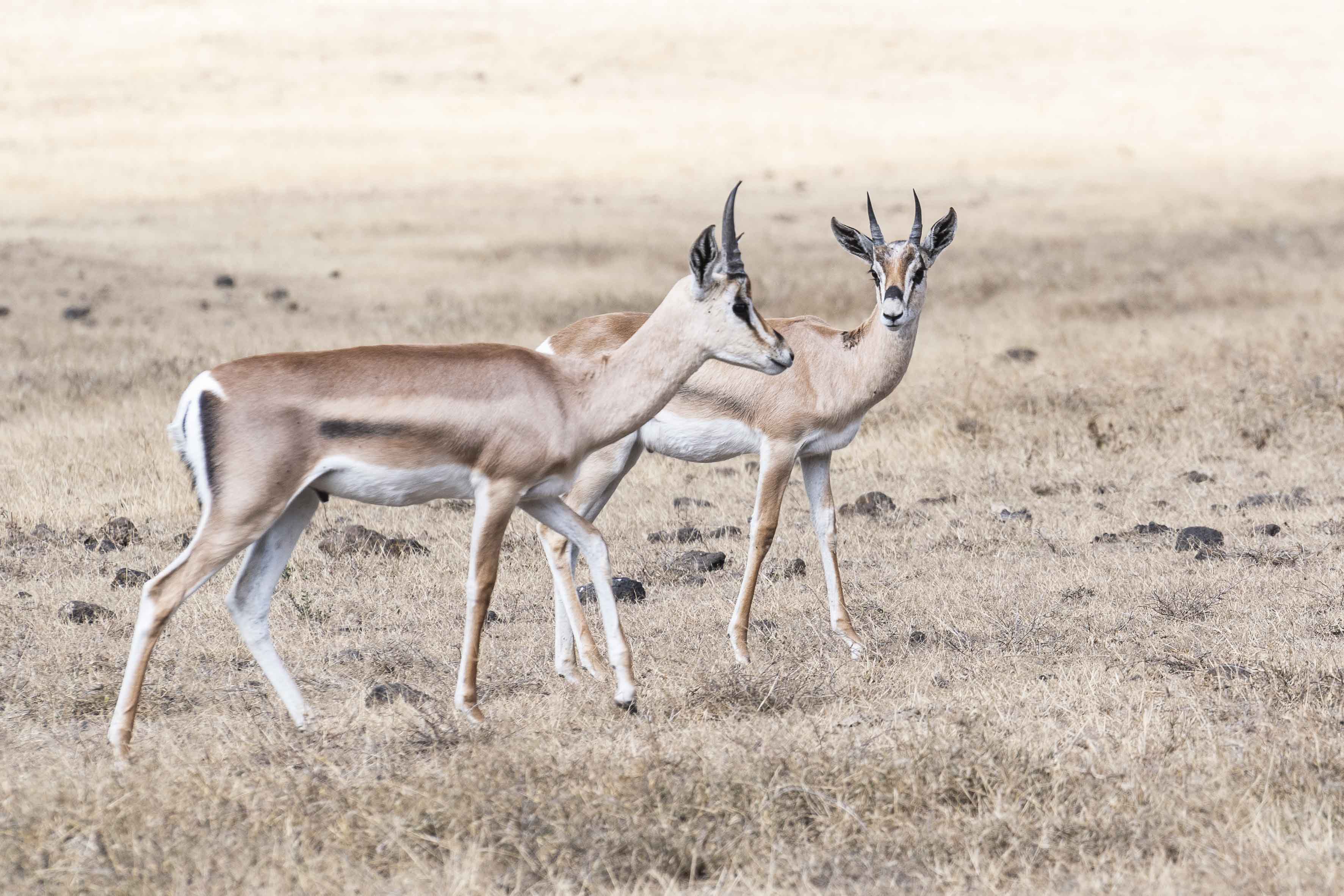
Thomson gazelles are plentiful, looking too fragile to survive in this harsh environment. Indeed they frequently find themselves dinner for other animals.
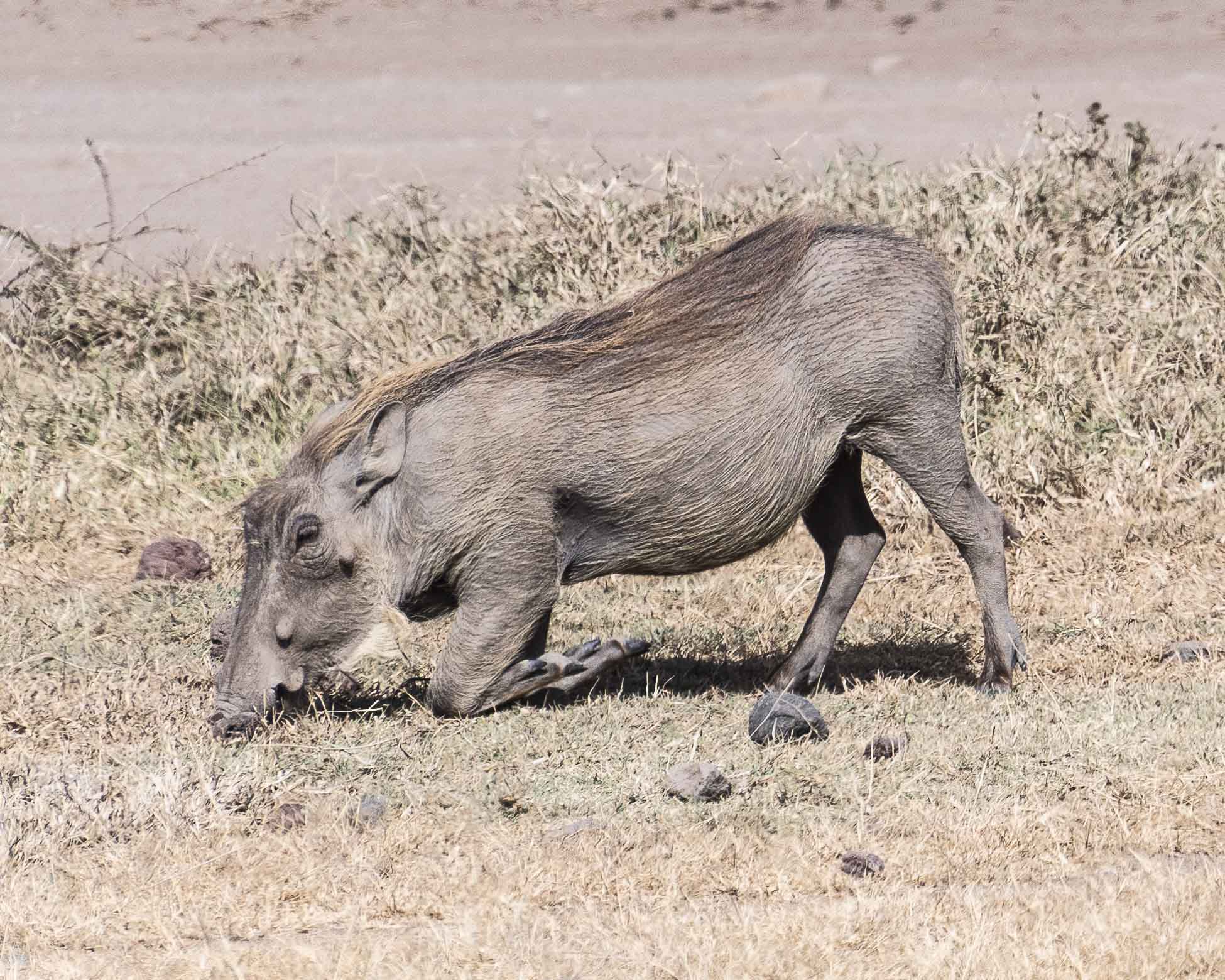
We spotted a group of warthogs foraging for food. They get down on their knees and use their large front snout to search for roots, fungi, insect eggs and other delicacies.
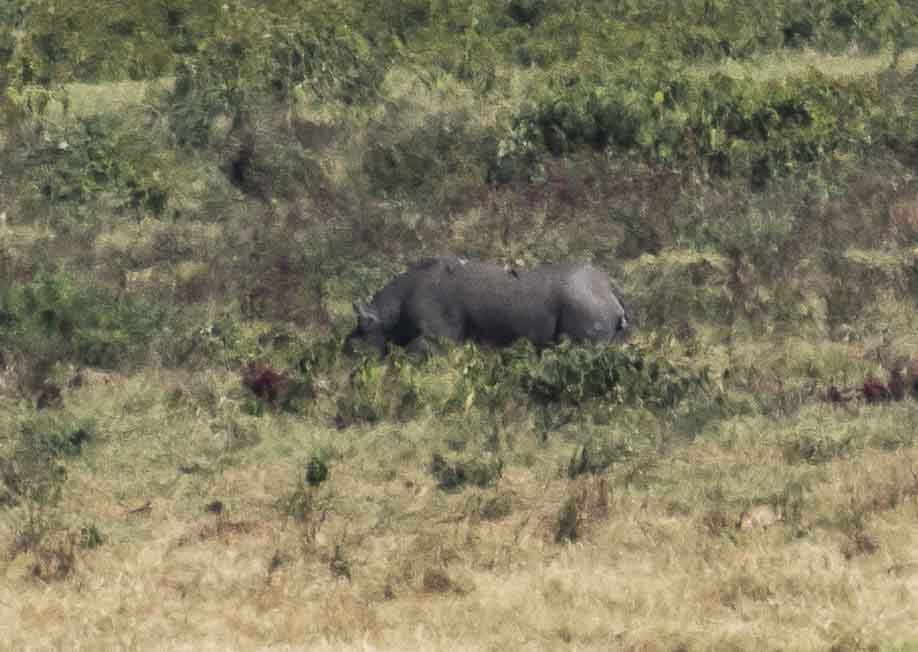
There are 30 rhinoceros in the Crater and we were determined to see one. If you squint and use your imagination, you may find yourself agreeing that it was indeed a rhino I captured with my camera. He was way in the distance and we were not able to get closer to him.
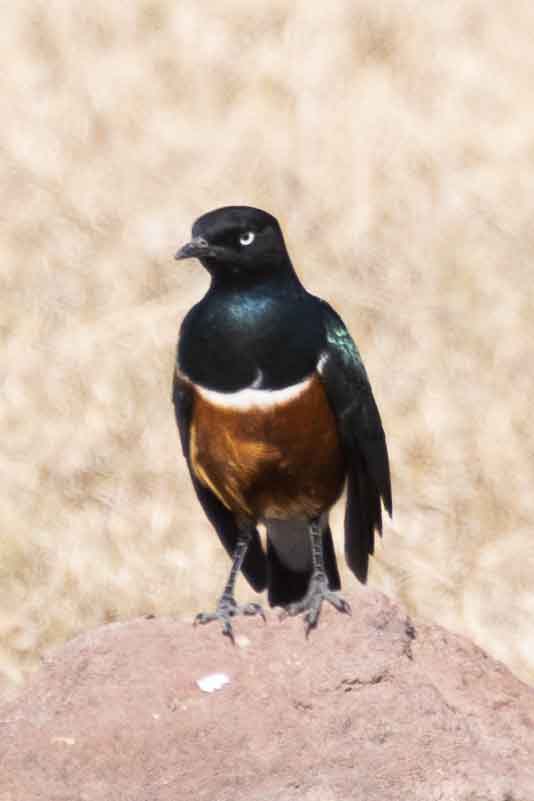
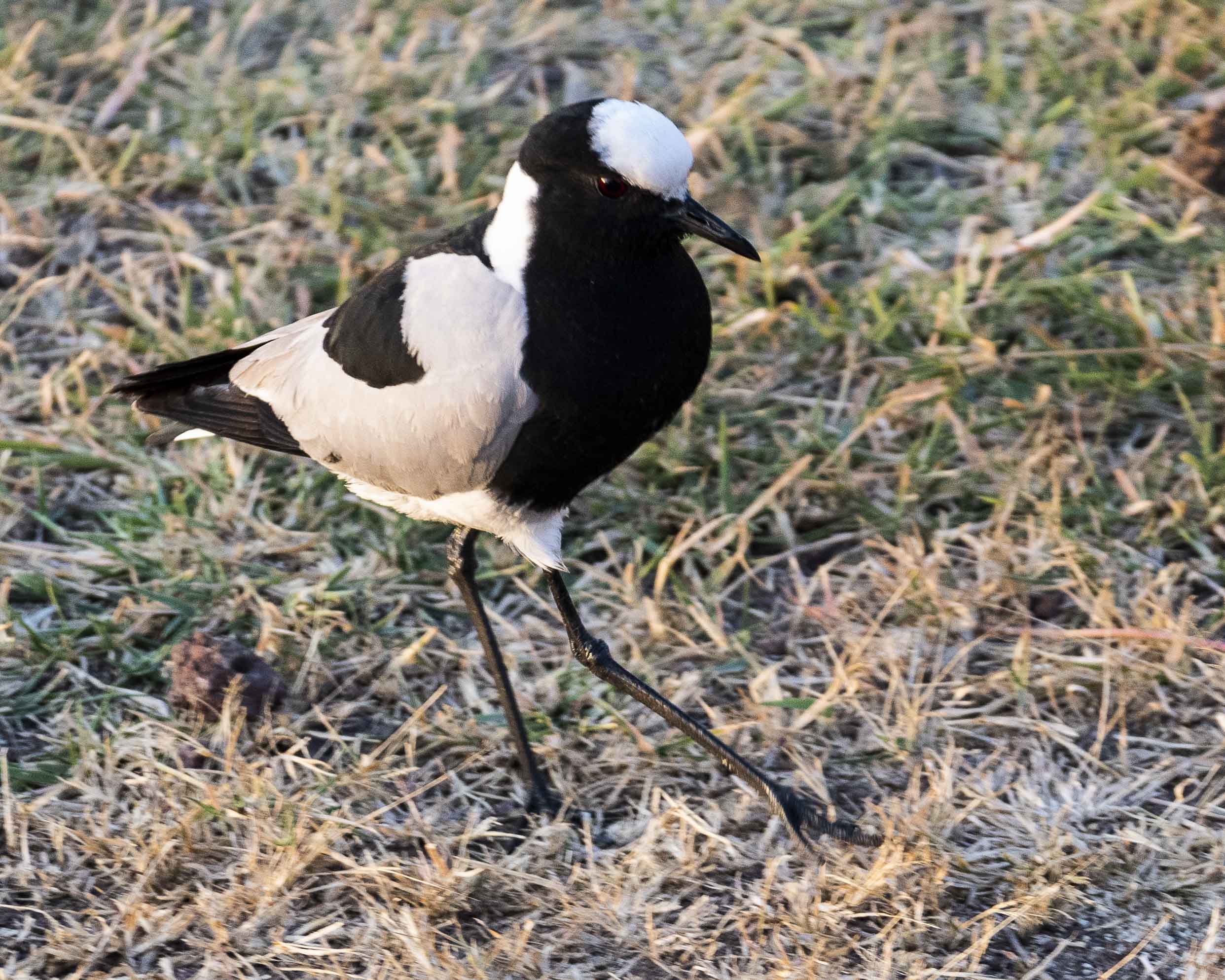
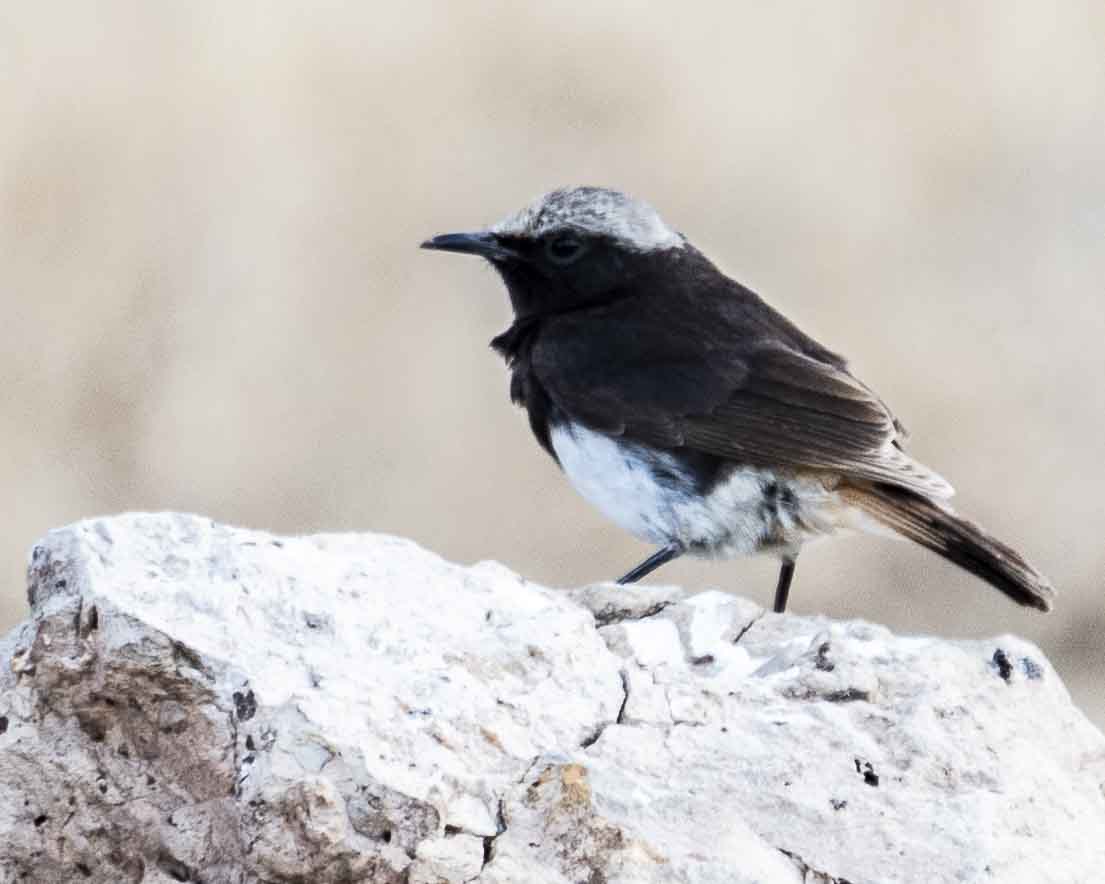
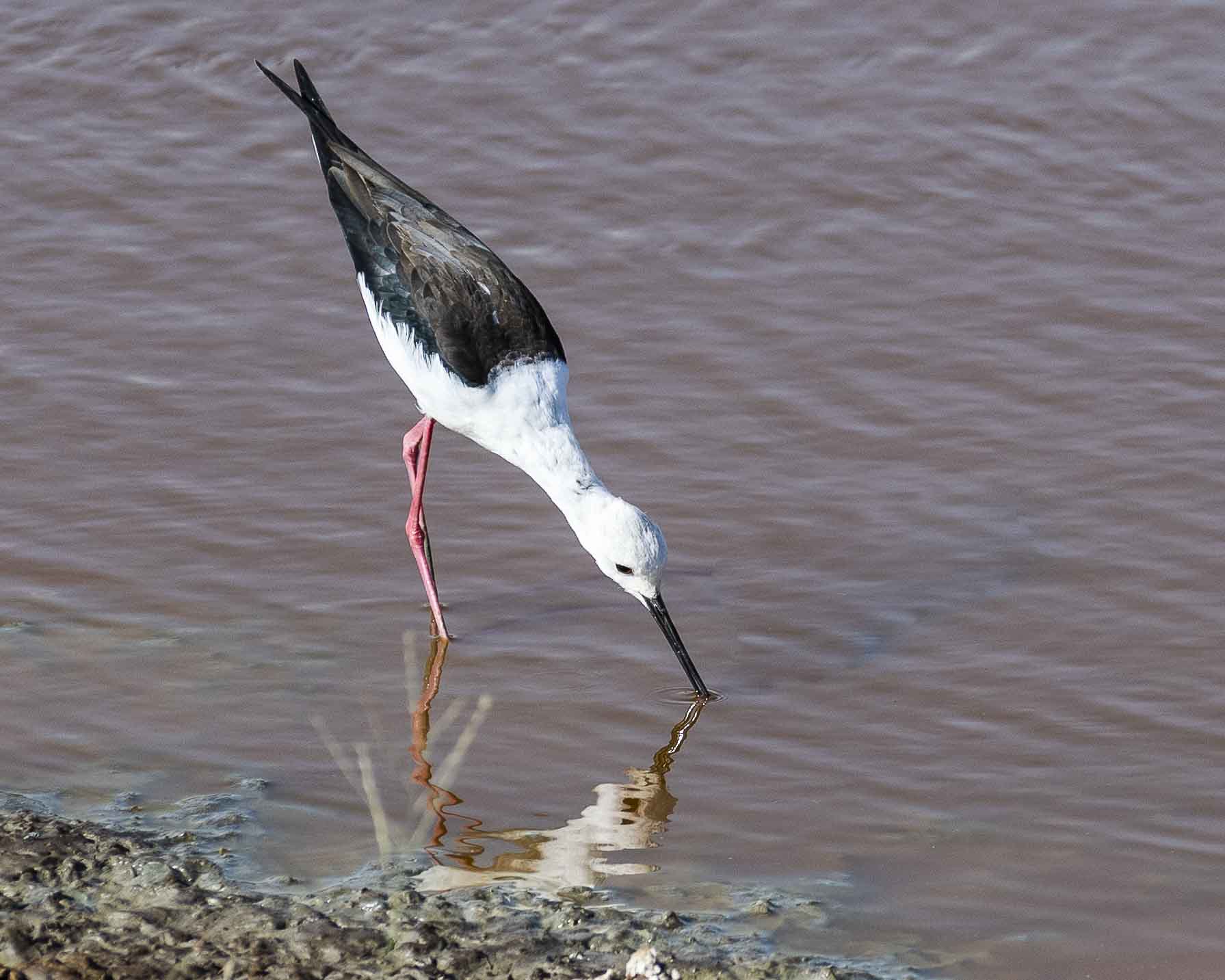
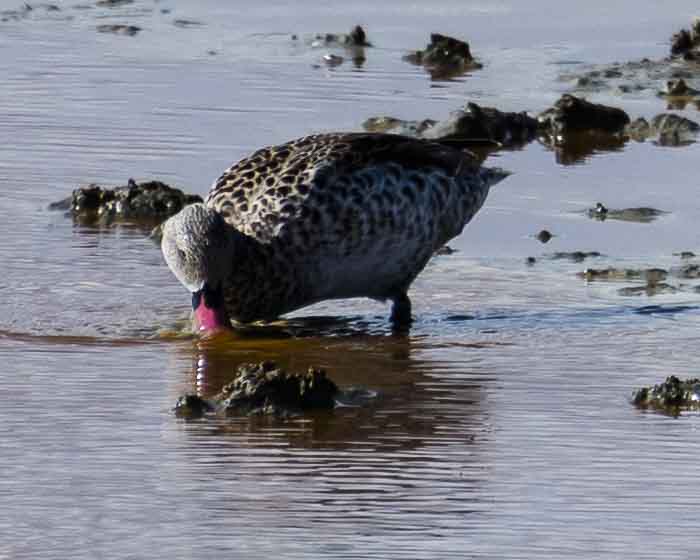
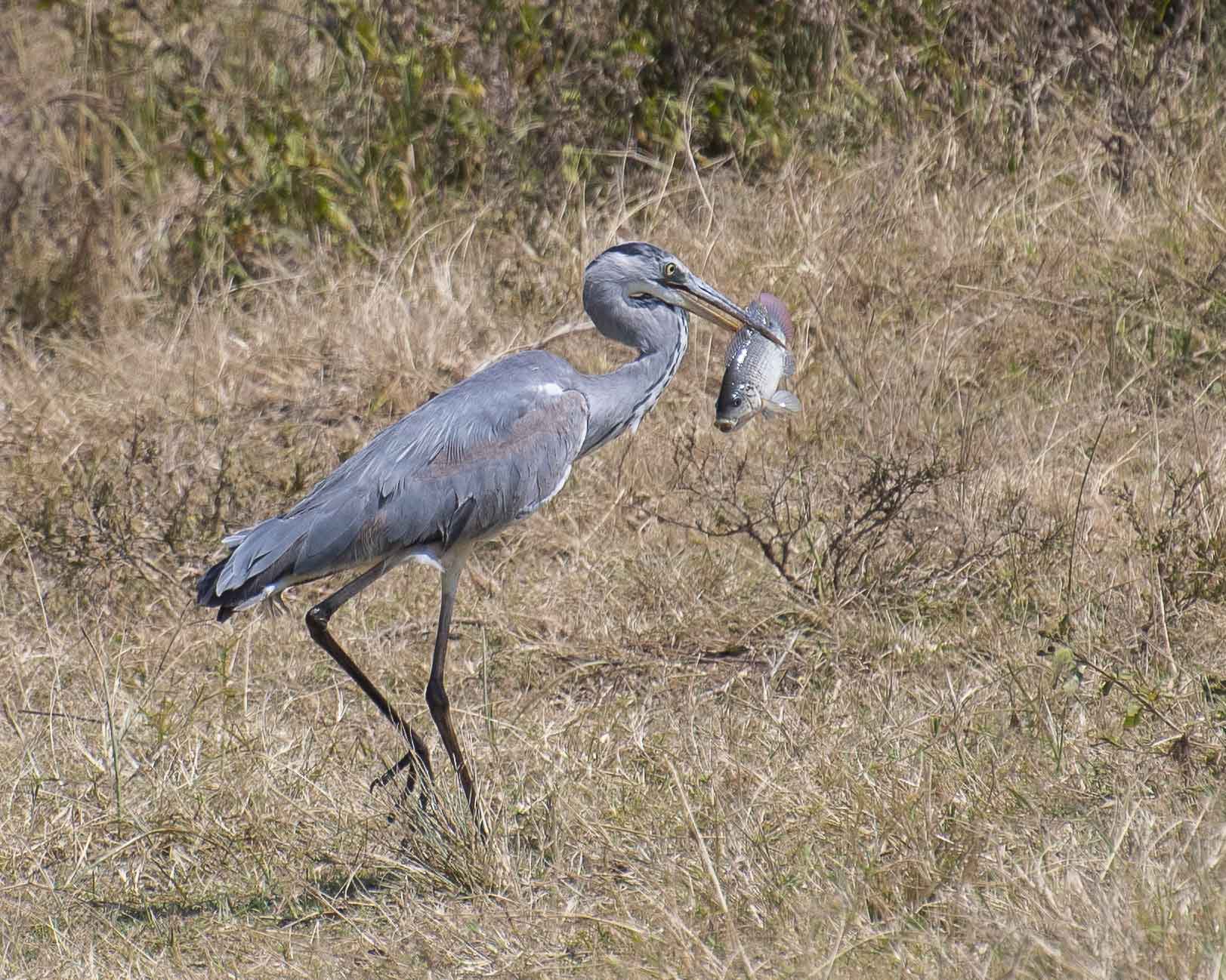
My kindred spirit bird-lover and I went in search of birds one morning. I hope you enjoy these!
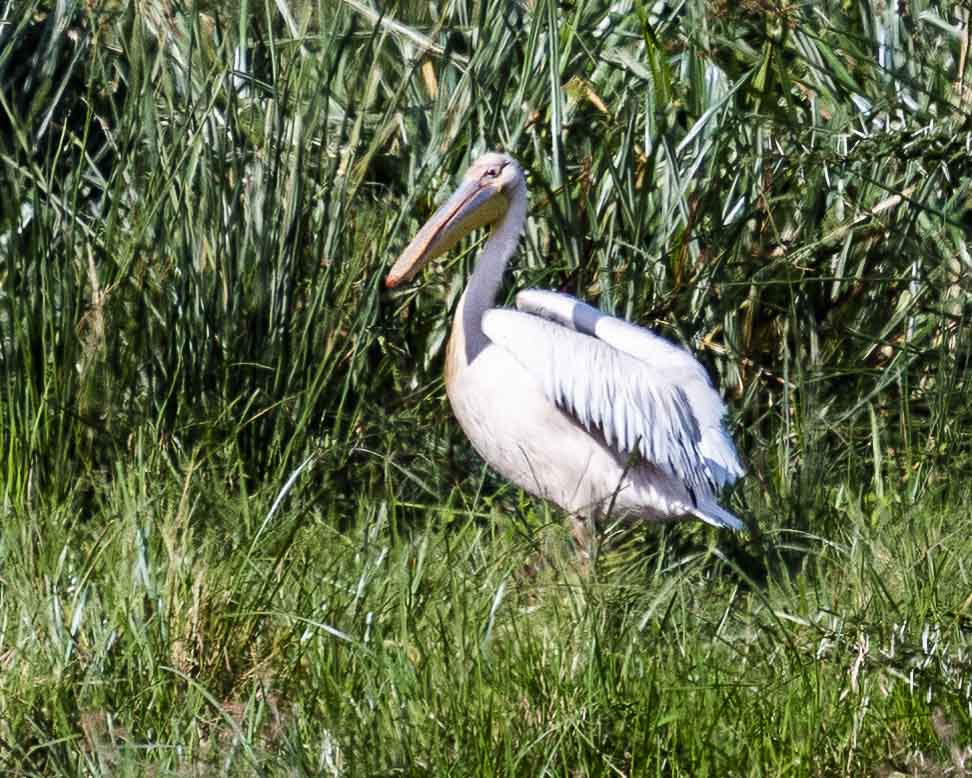
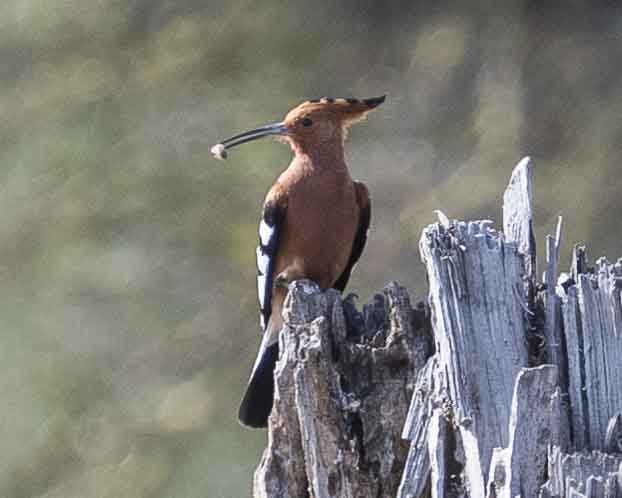
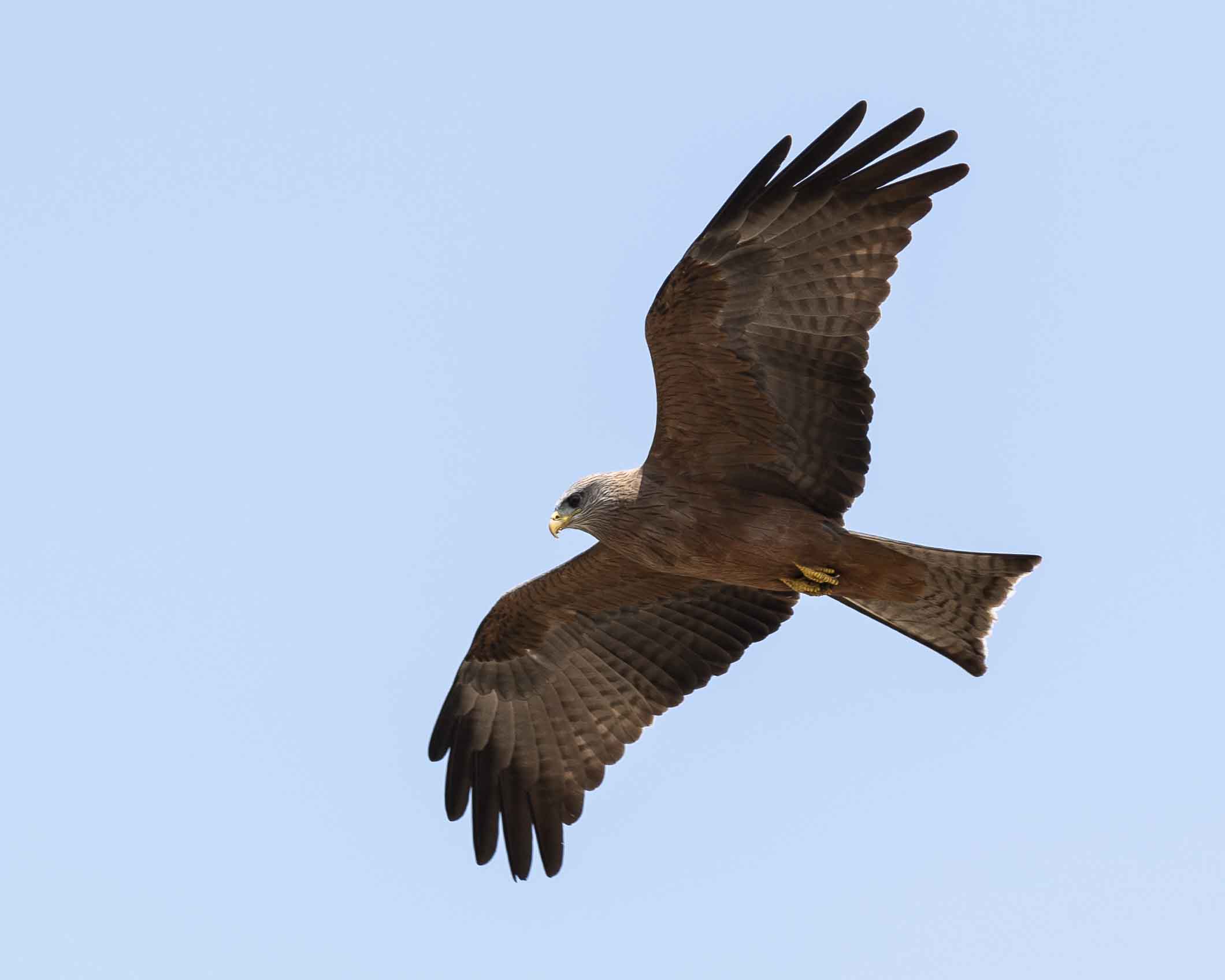
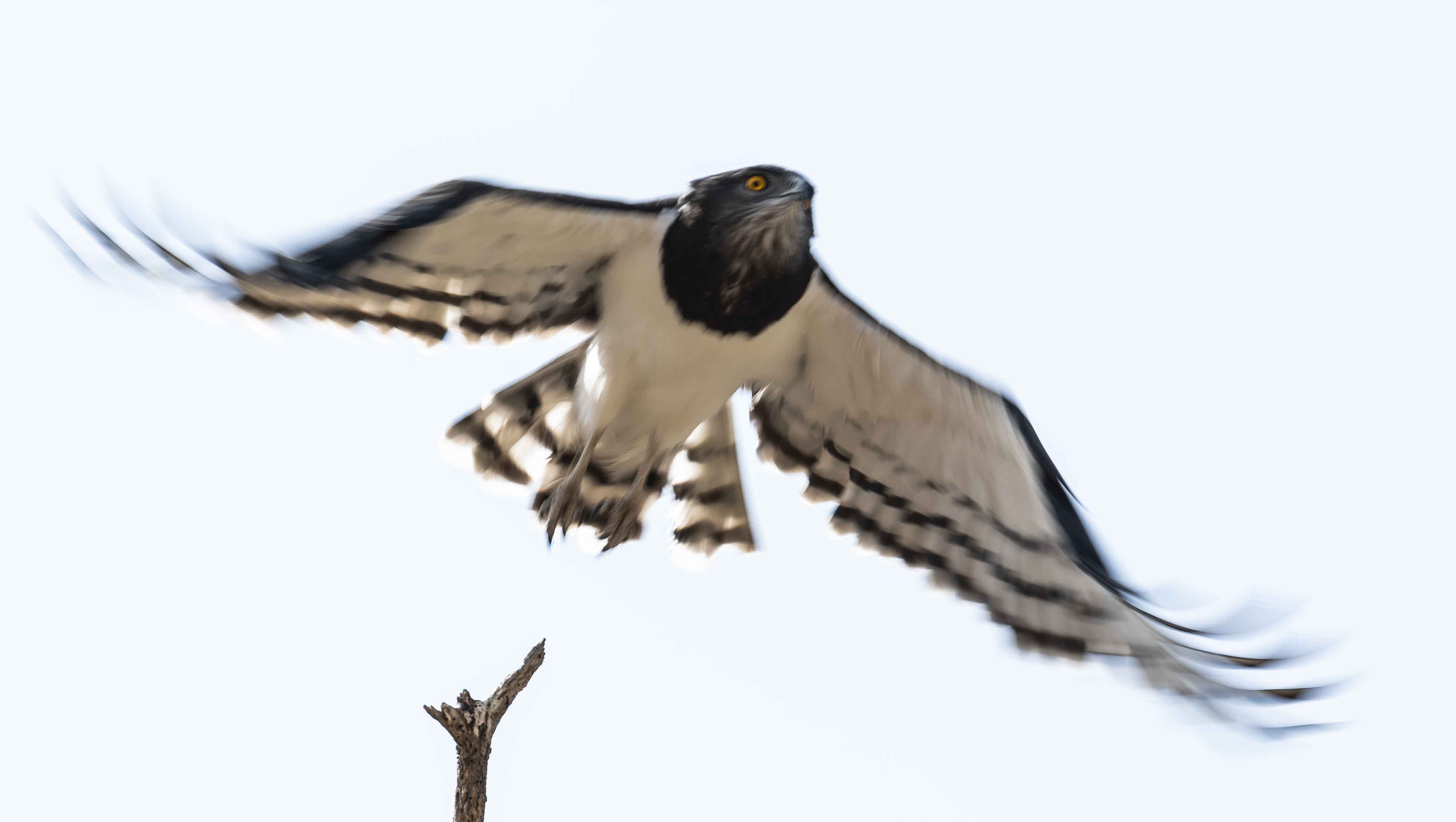
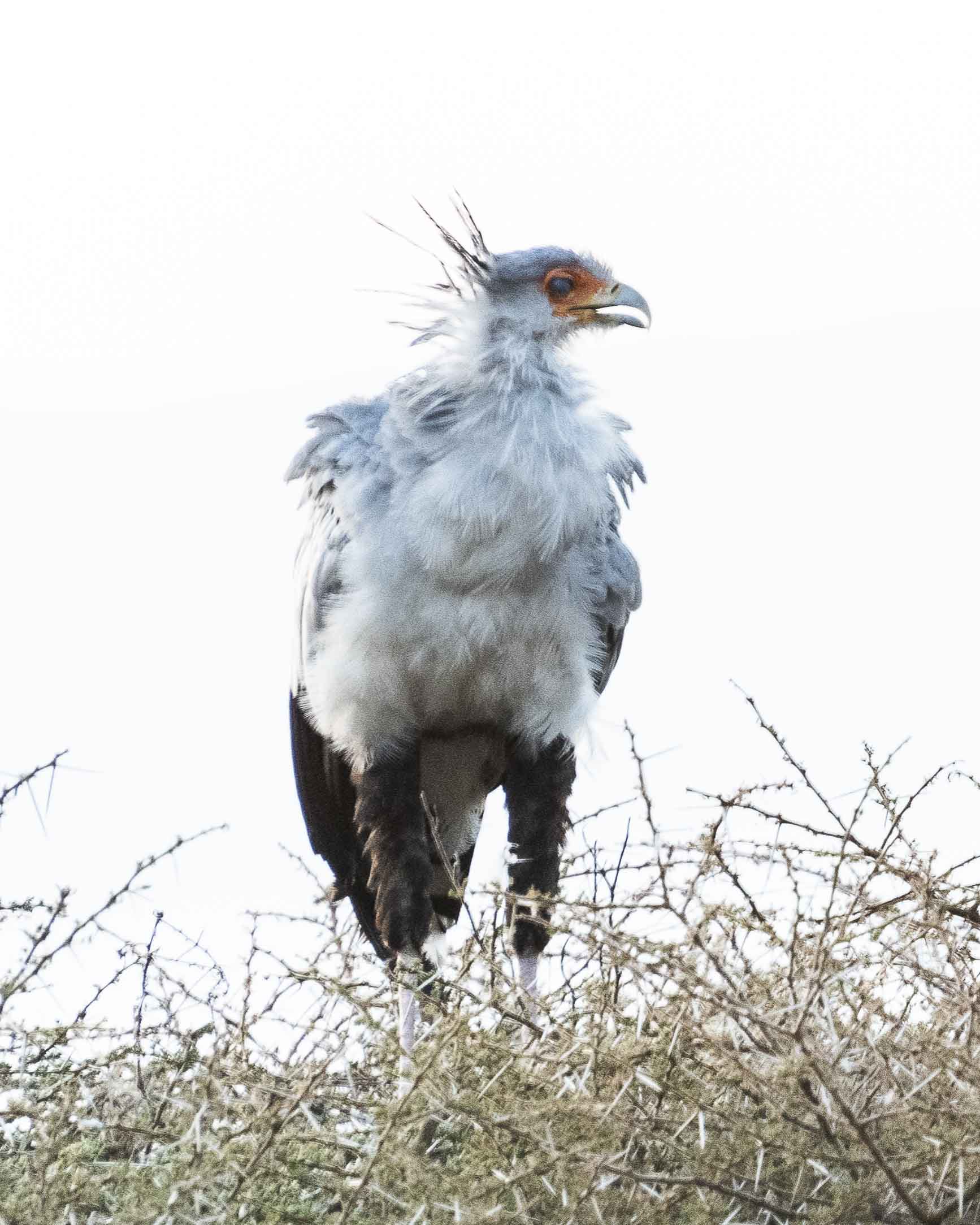
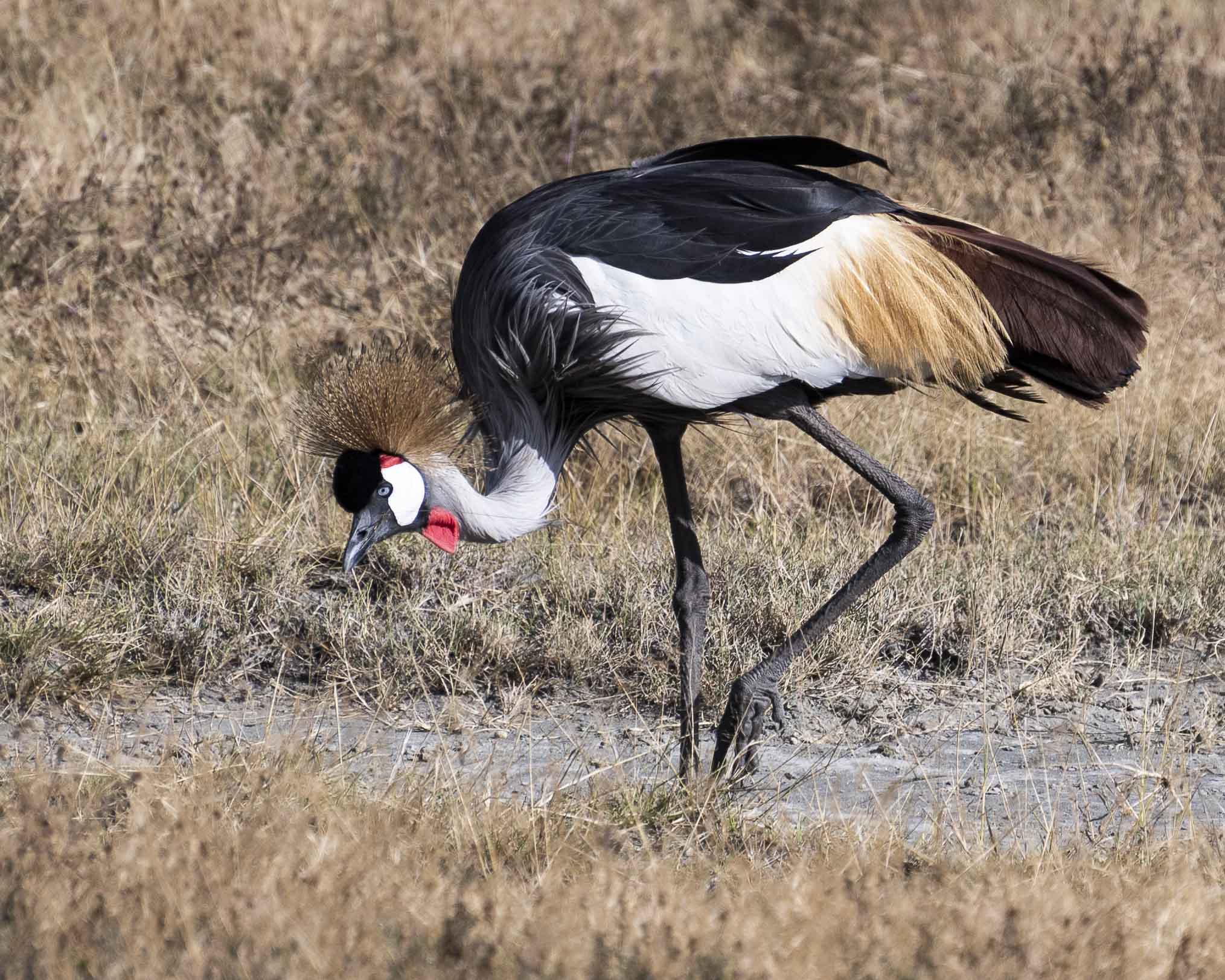
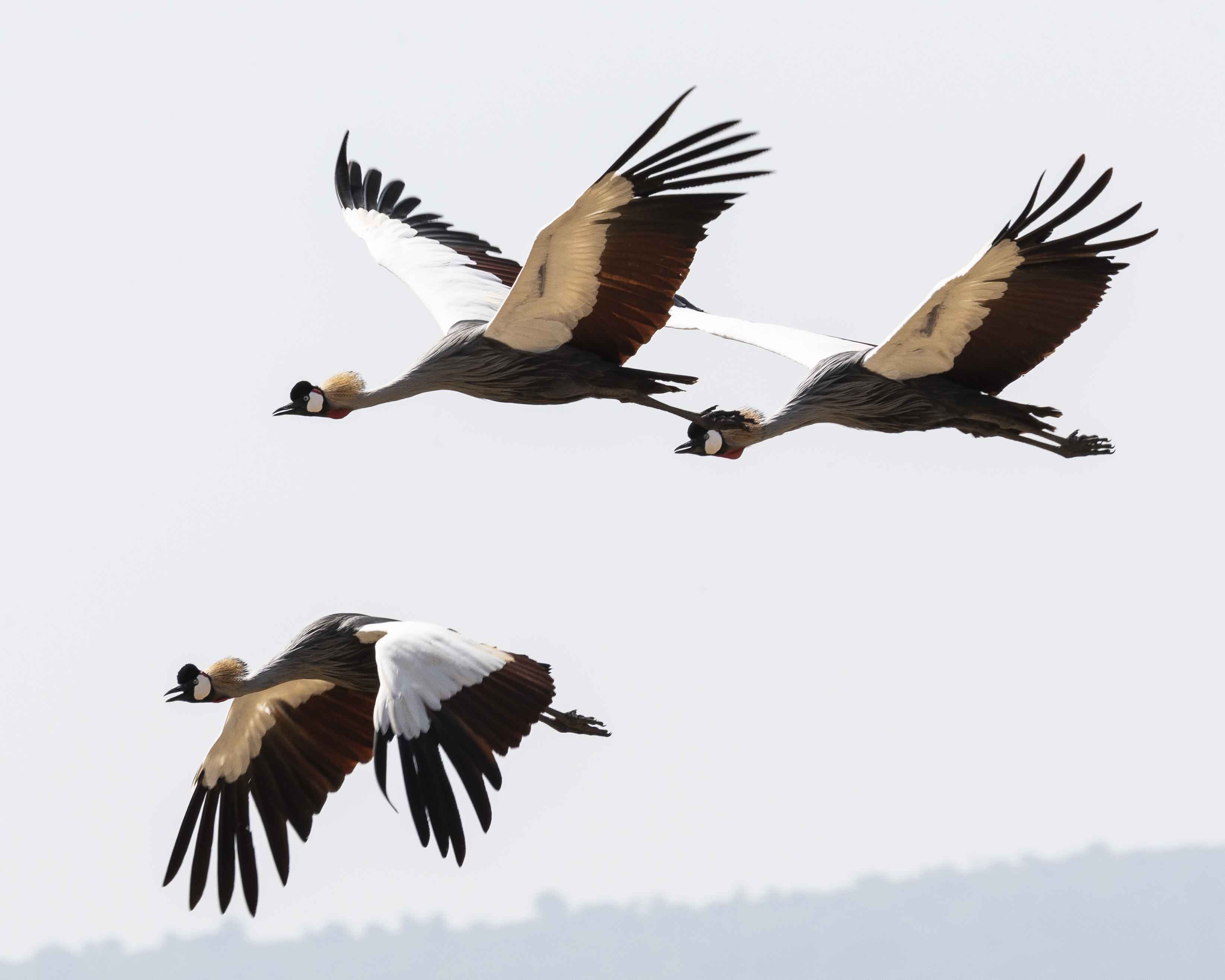
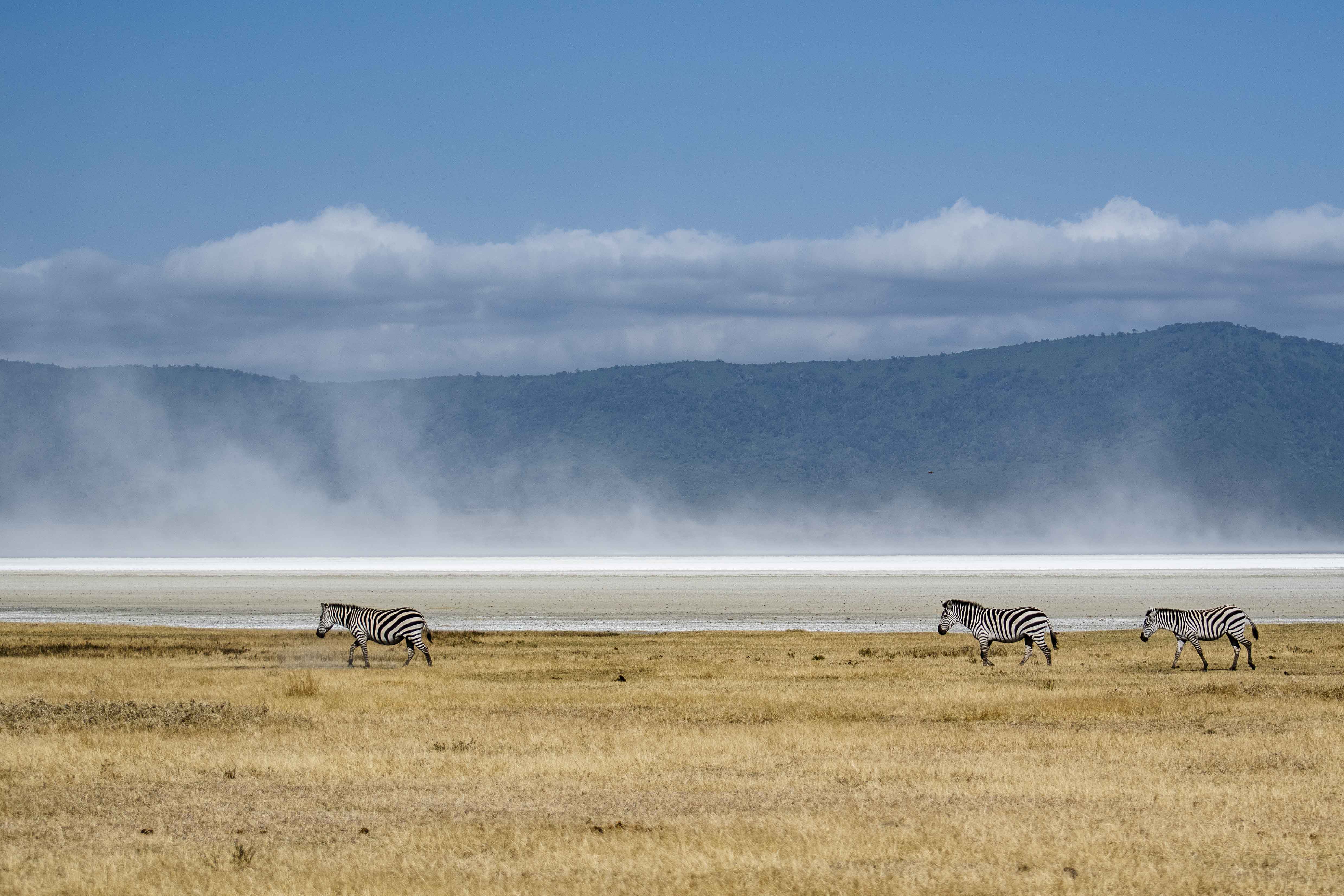
I hope you are still with me after this lengthy post as I am going to leave you with one of my favourite photos of the Ngorongoro Crater. Kwenye Serengeti.


Leave a Reply