June 16th was definitely a destination day.
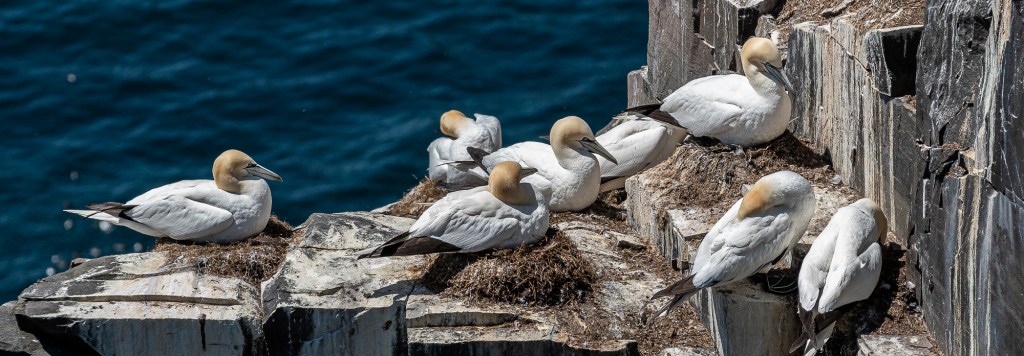
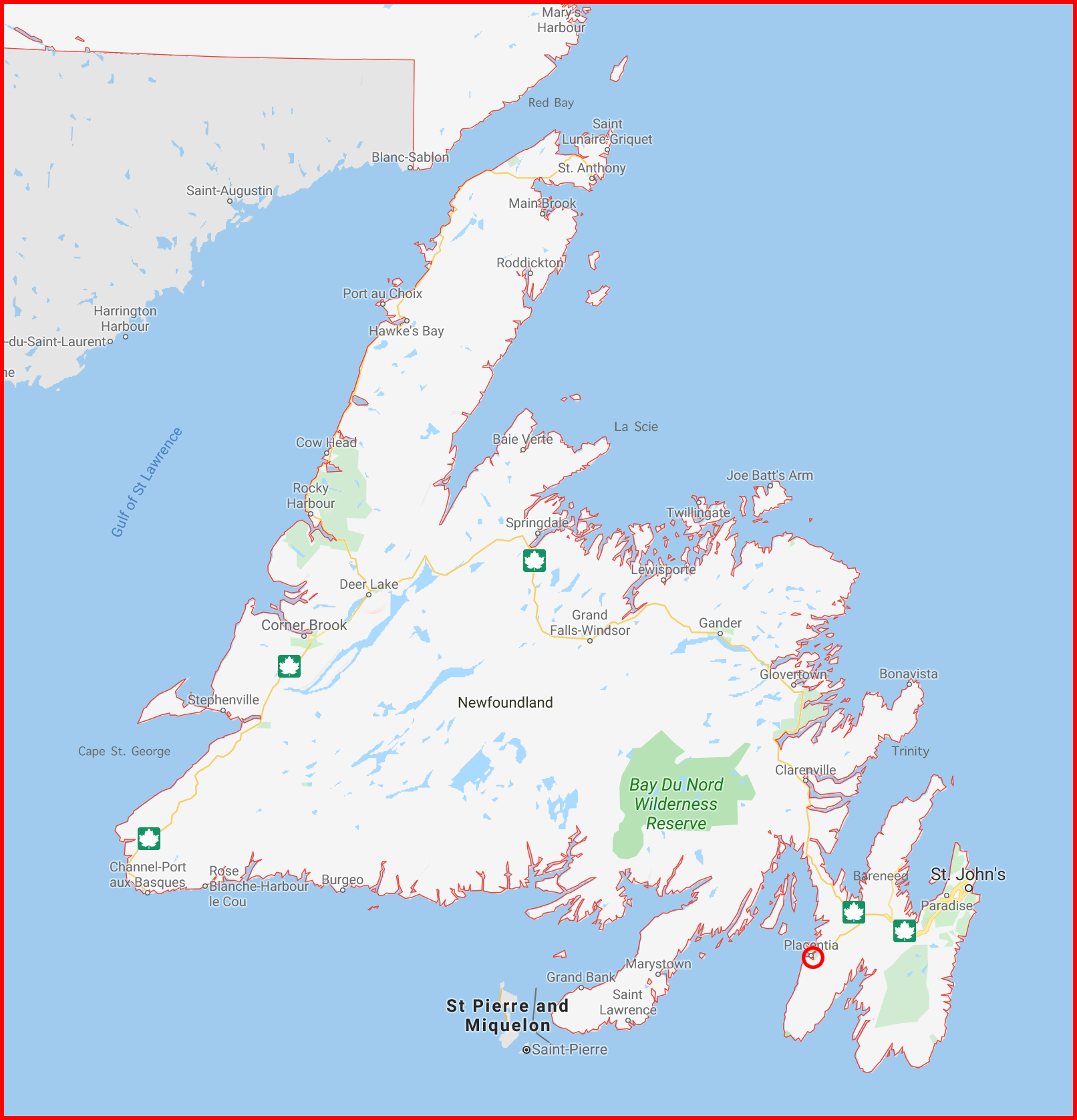
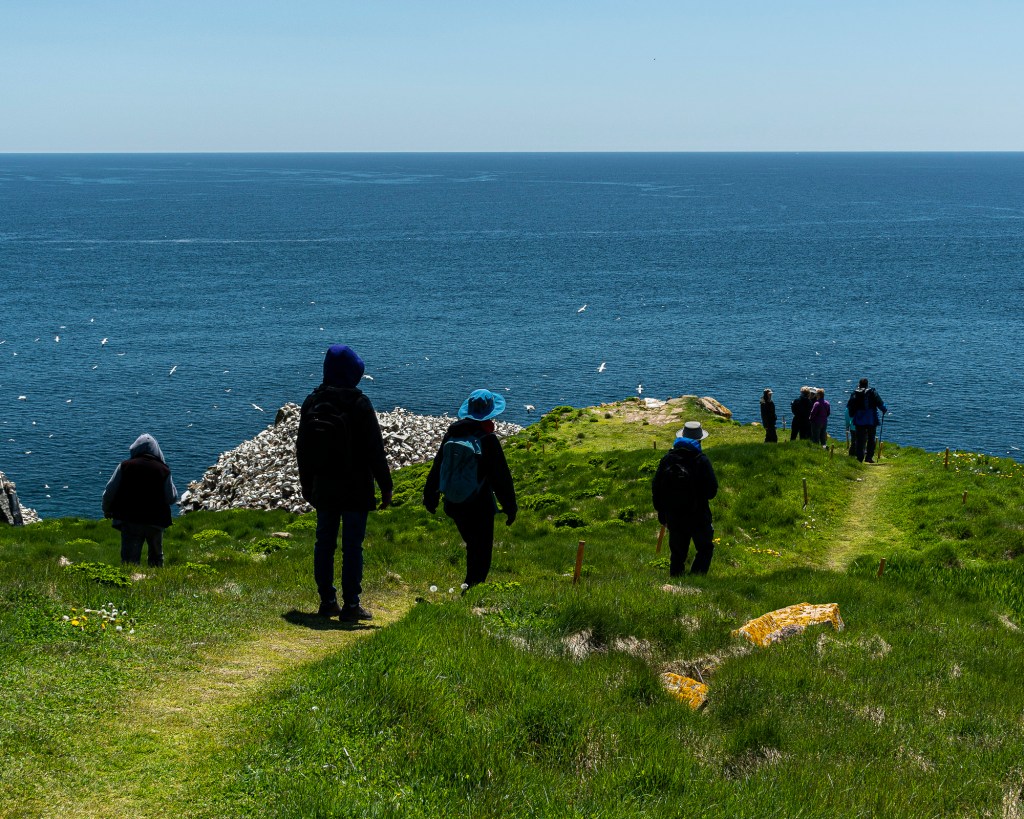
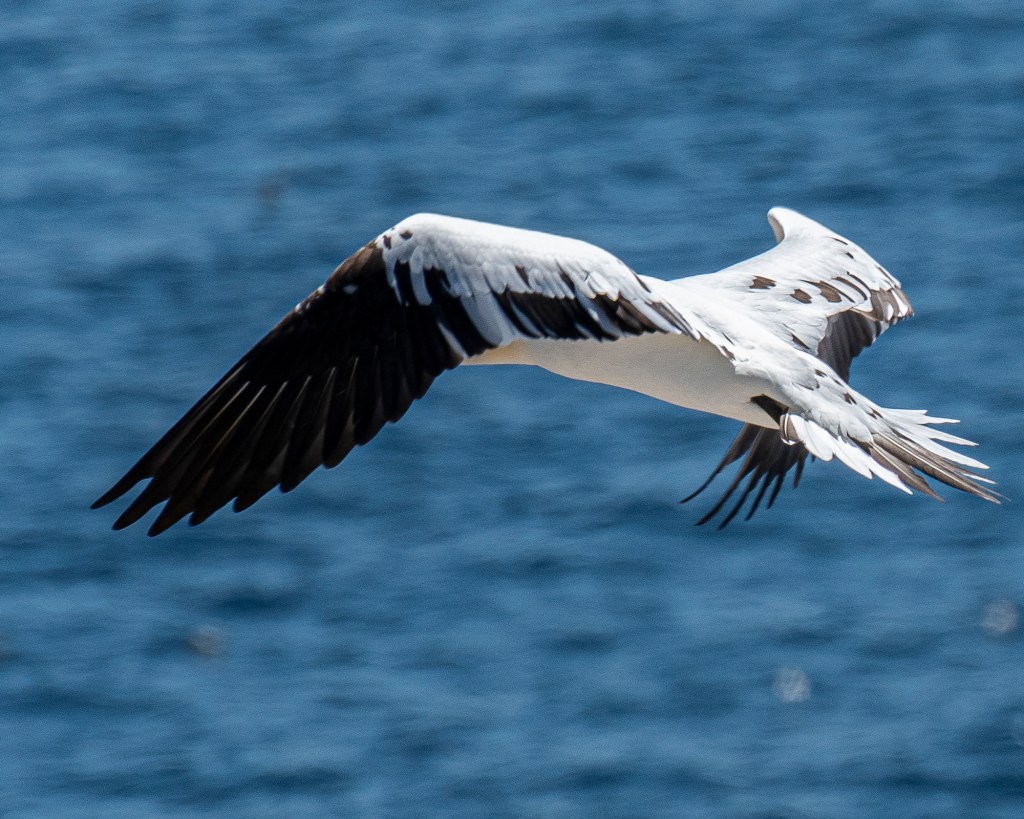
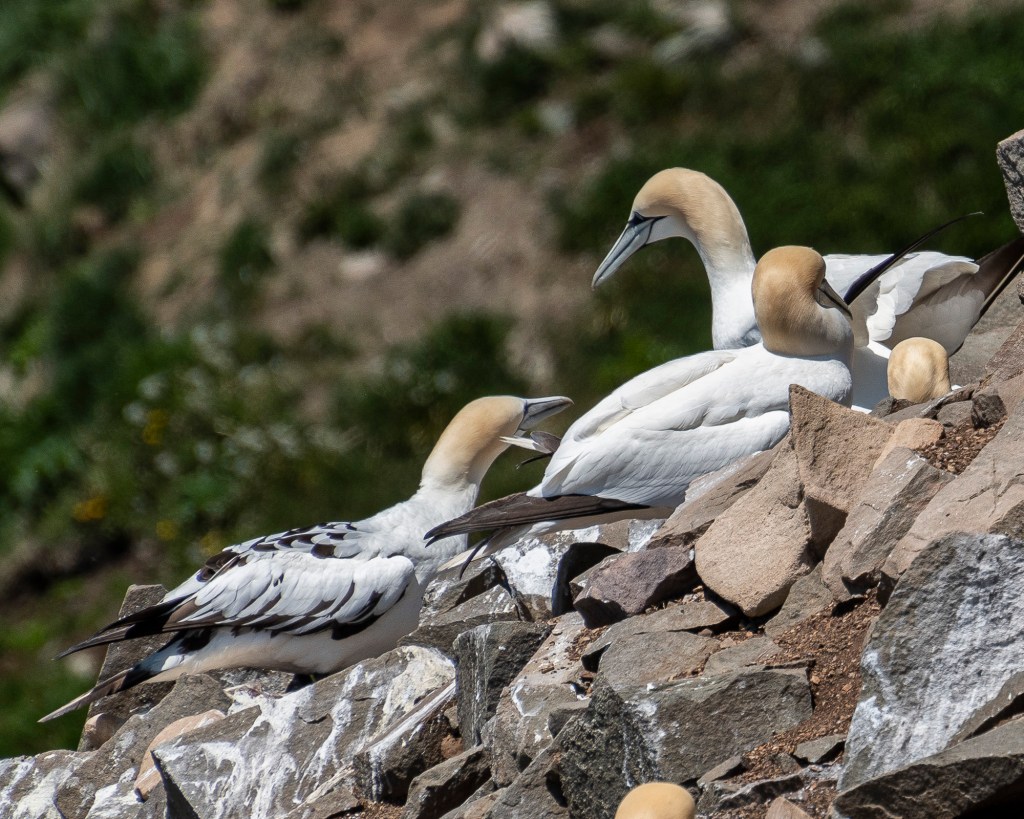
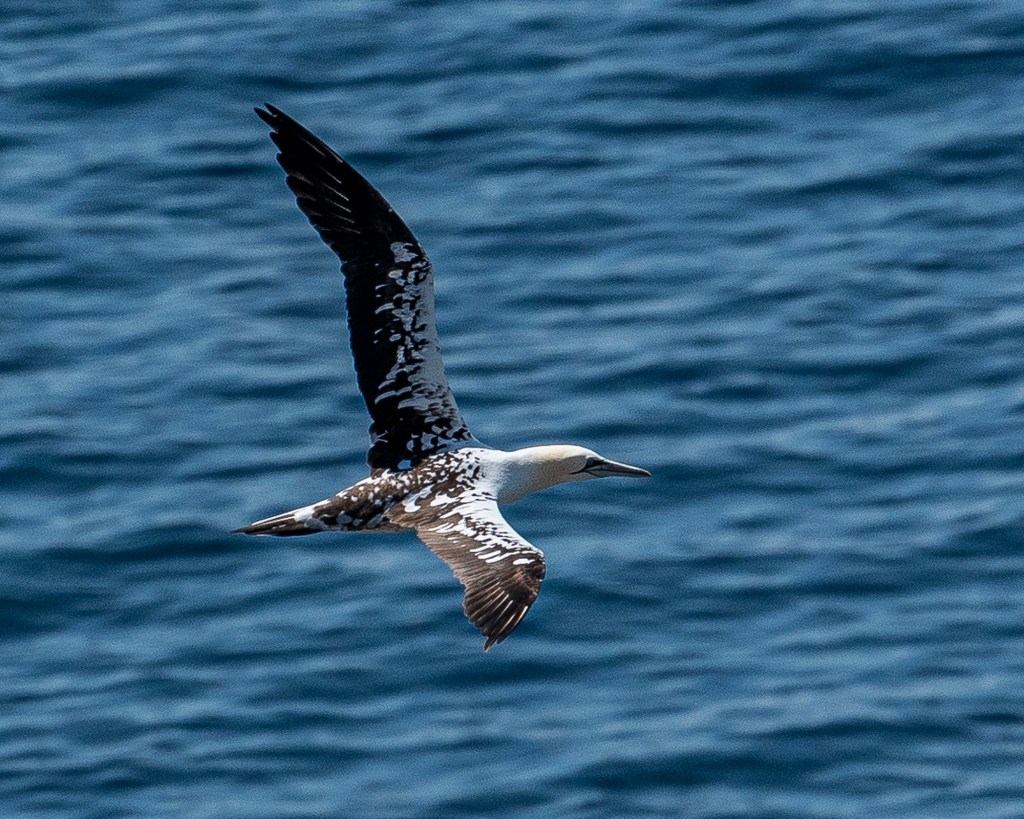
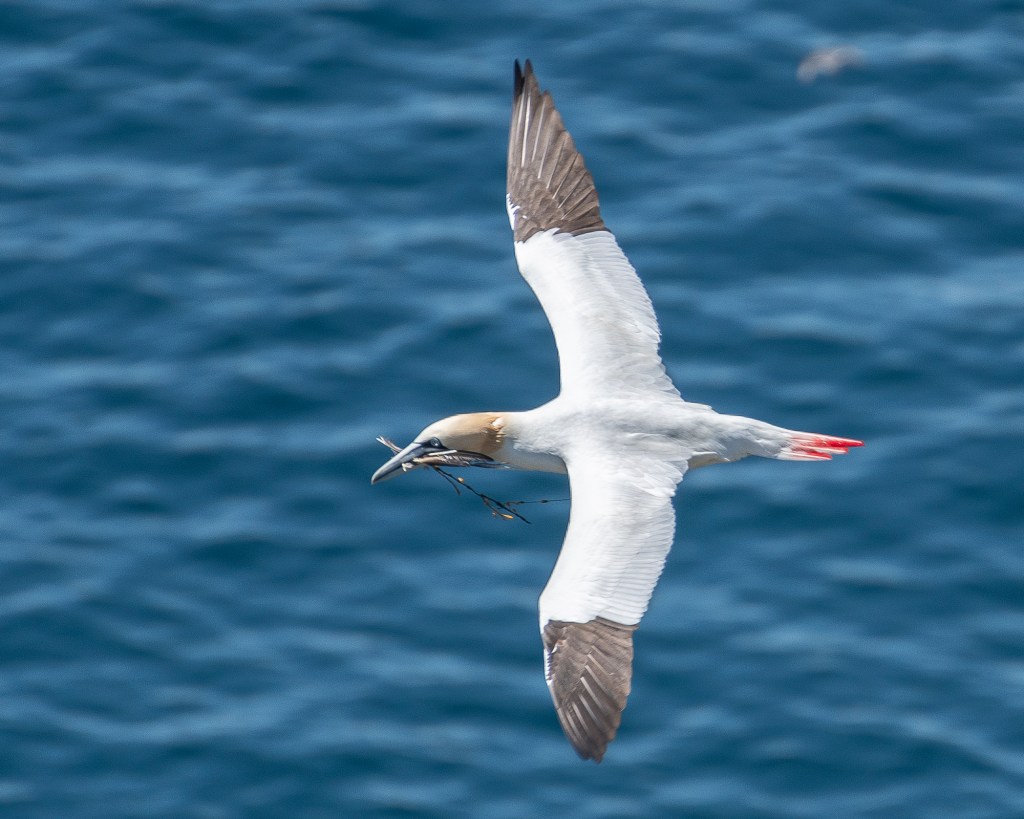
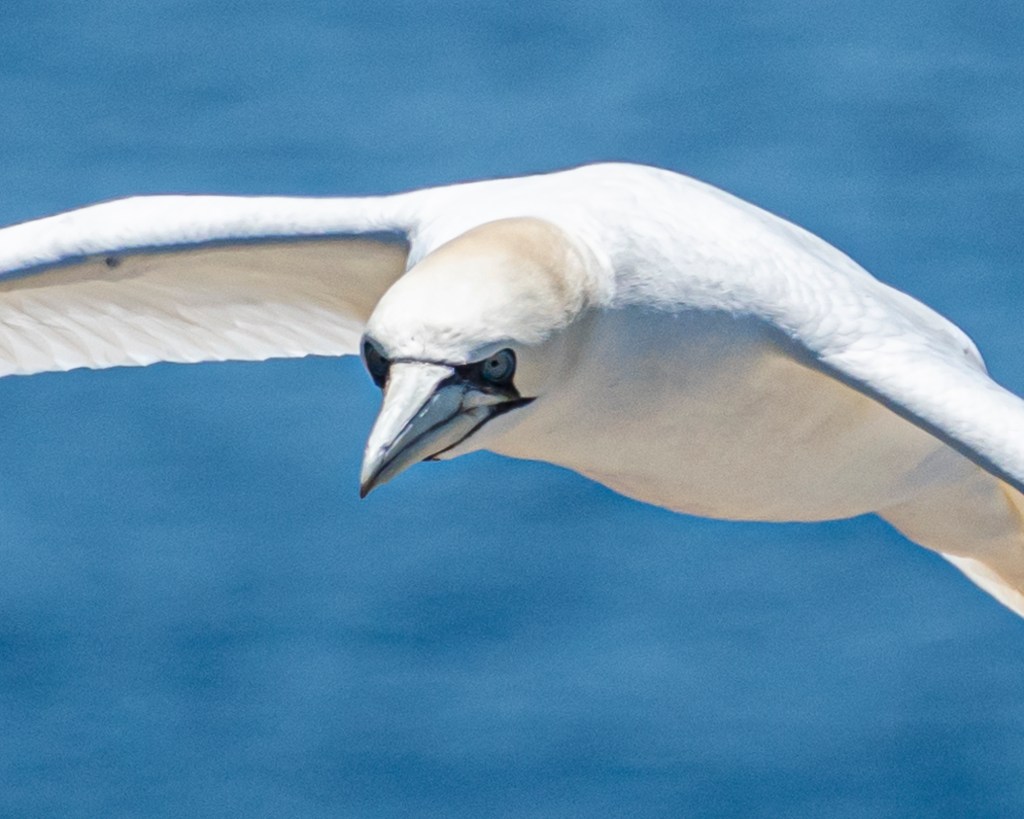
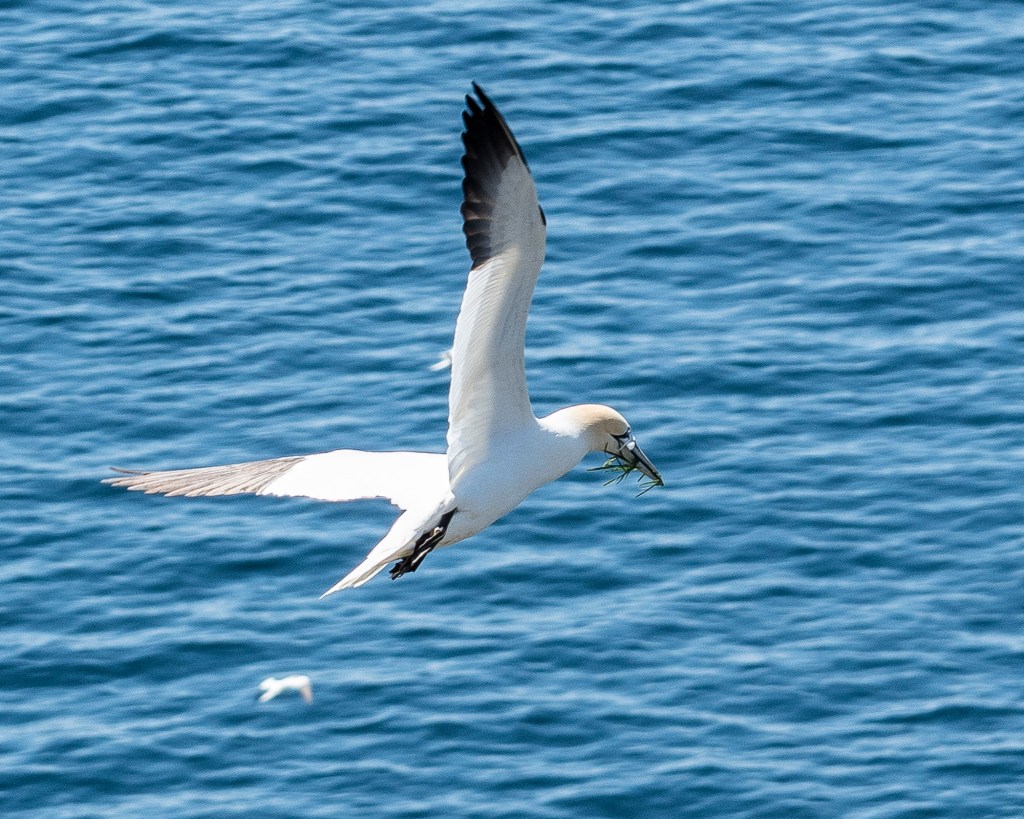
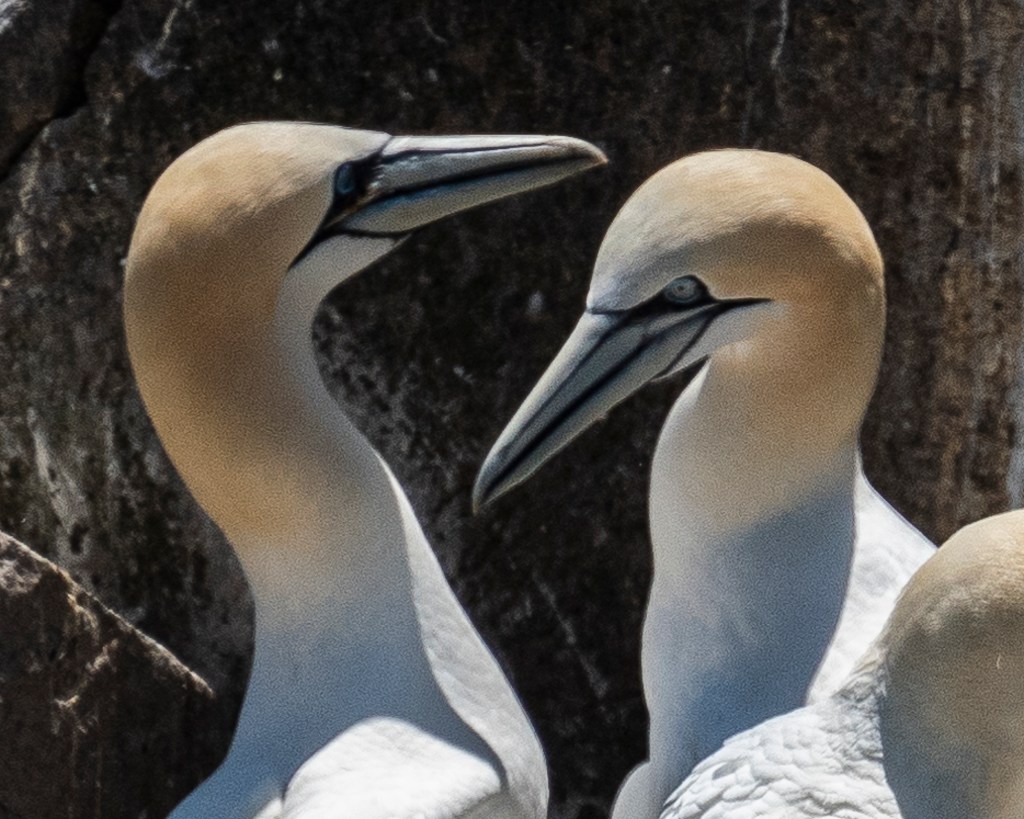
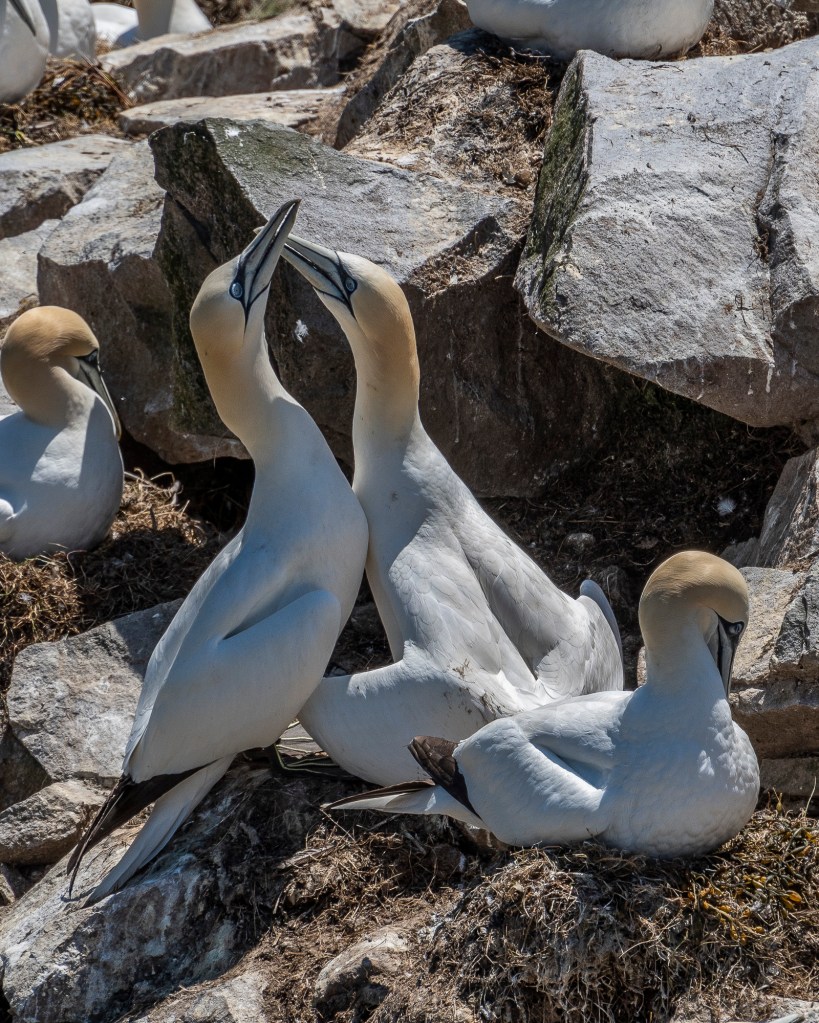
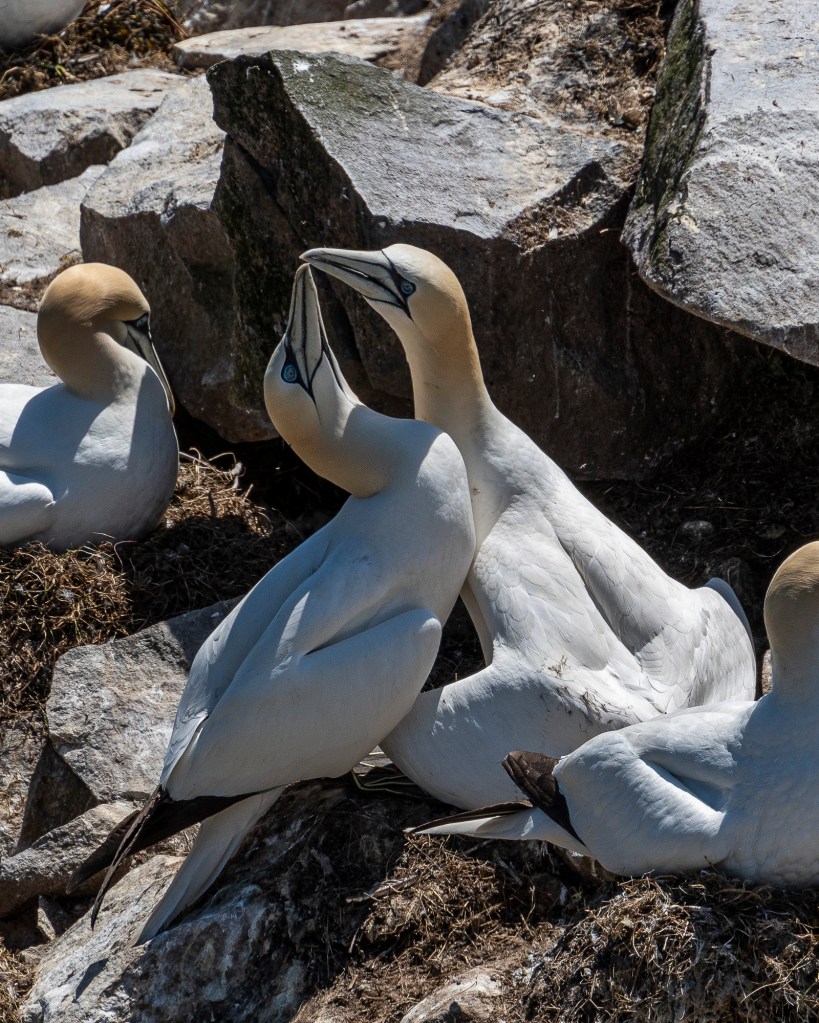
Cape St. Mary’s Ecological Reserve is at the south west tip of the Avalon Peninsula. It is home to 11,000+ nesting pairs of Northern Gannets, 10,000 nesting pairs of Common Murres as well as Kittiwakes, Razorbills and Black Guillemots. I had been looking forward to shooting the beautiful and elegant Northern Gannets and Cape St. Mary’s did not disappoint.
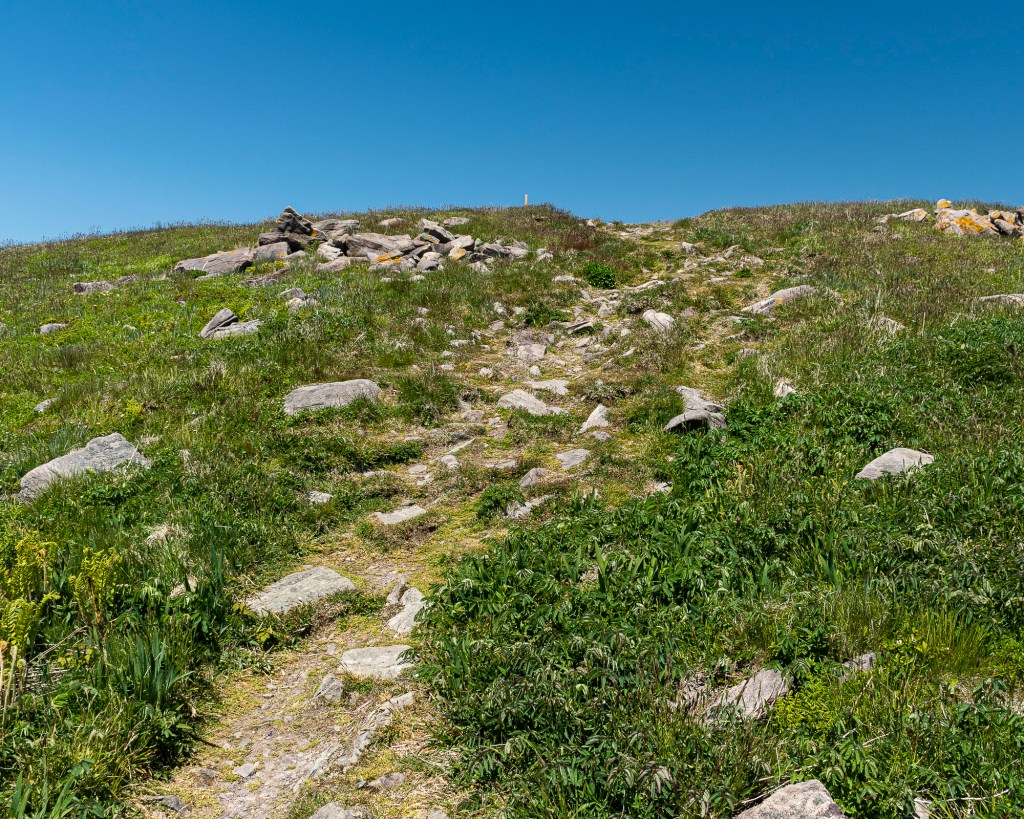
It took a little determination to reach the viewing site. A 64 km drive from my hotel in Placentia took much longer than expected as the final 15 km or so was potholey and treacherous to navigate. The 1 km foot path, which had only a small rocky section, was a relief. Cape St. Mary’s has 200 days per year of fog, but the weather gods were on my side. The day and the view were magnicent.
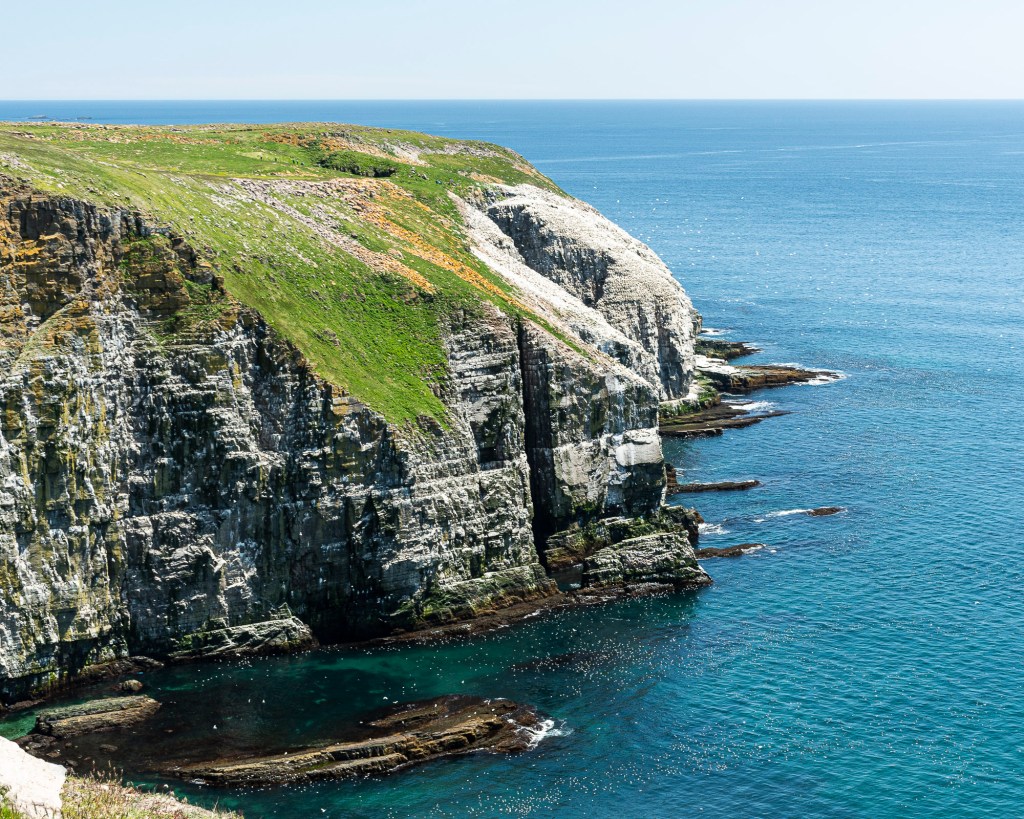
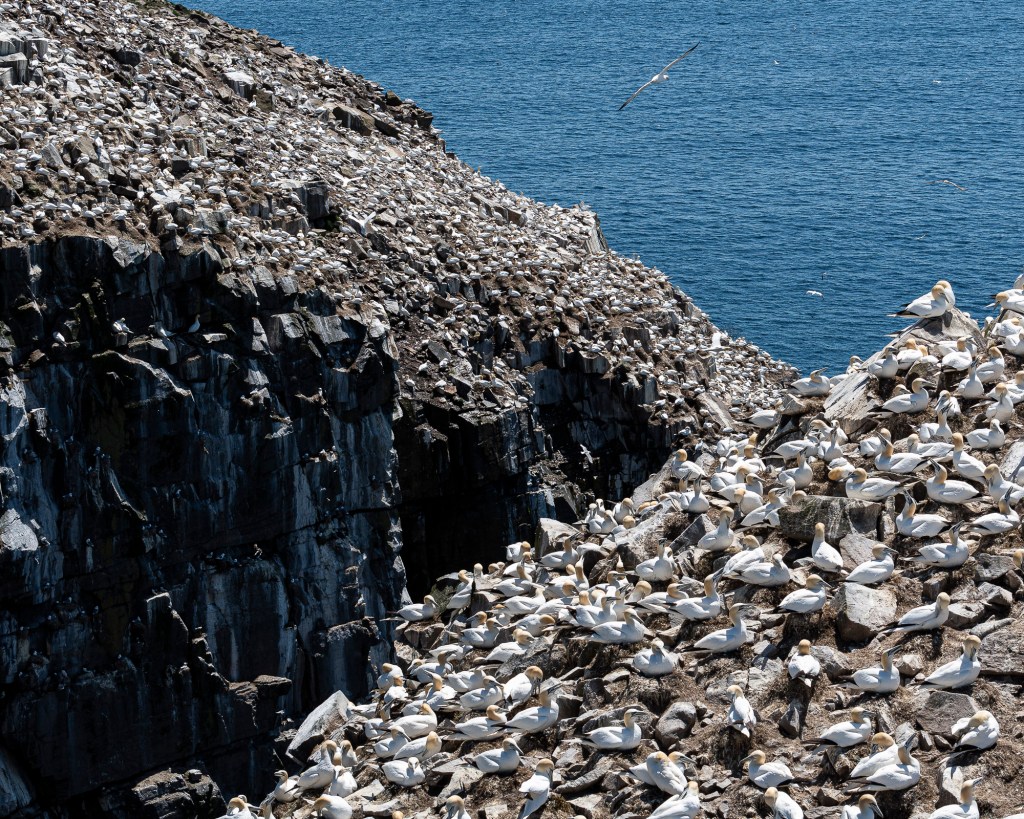
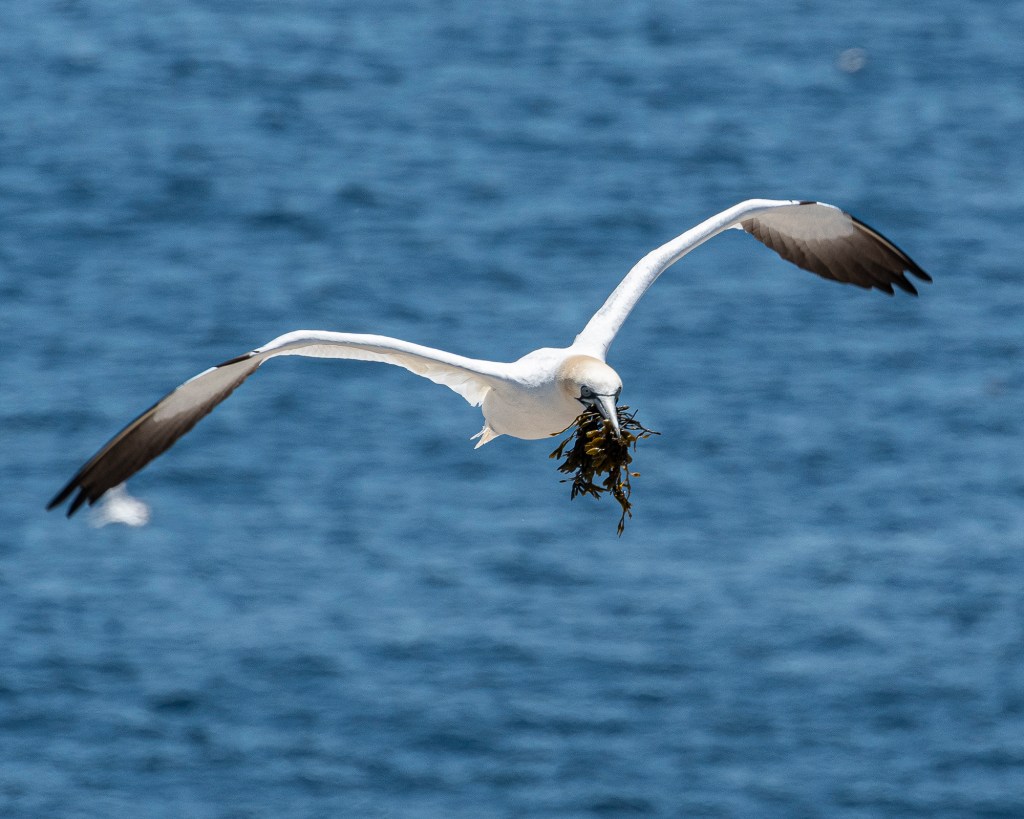
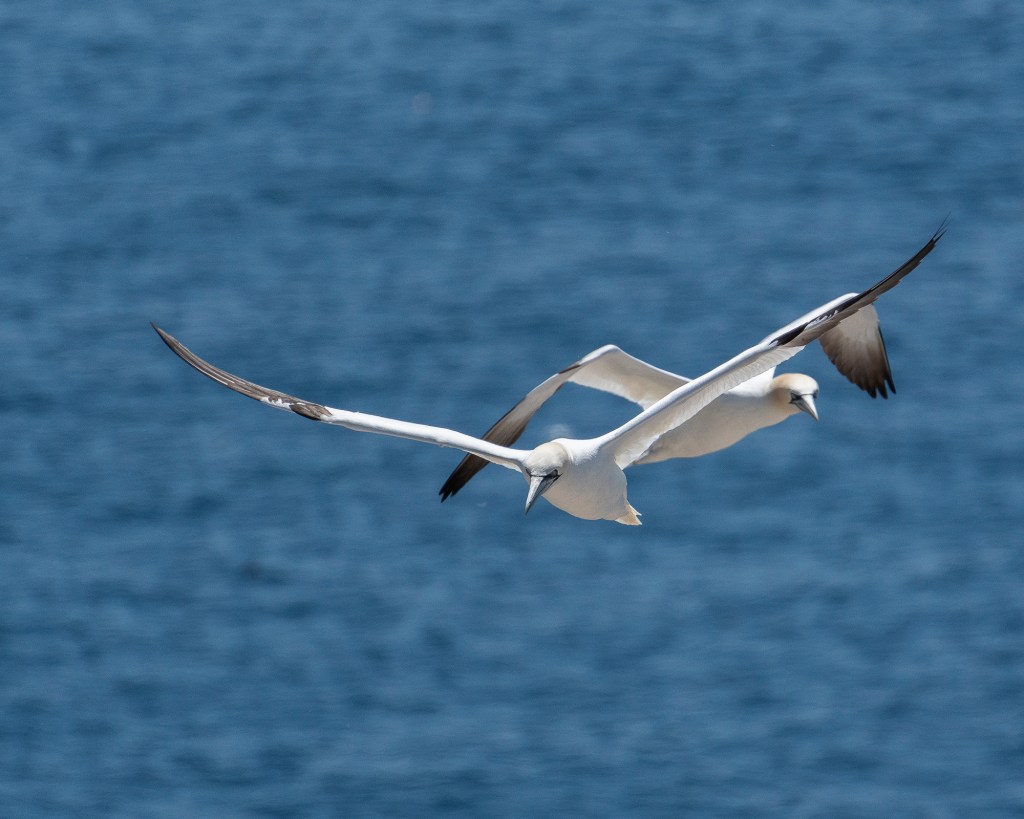
The gannets were just starting their nesting process, so much of the flying about was to collect nesting material, though there also appeared to be some PDA going on. 🙄 The gannets with dark markings are immatures.
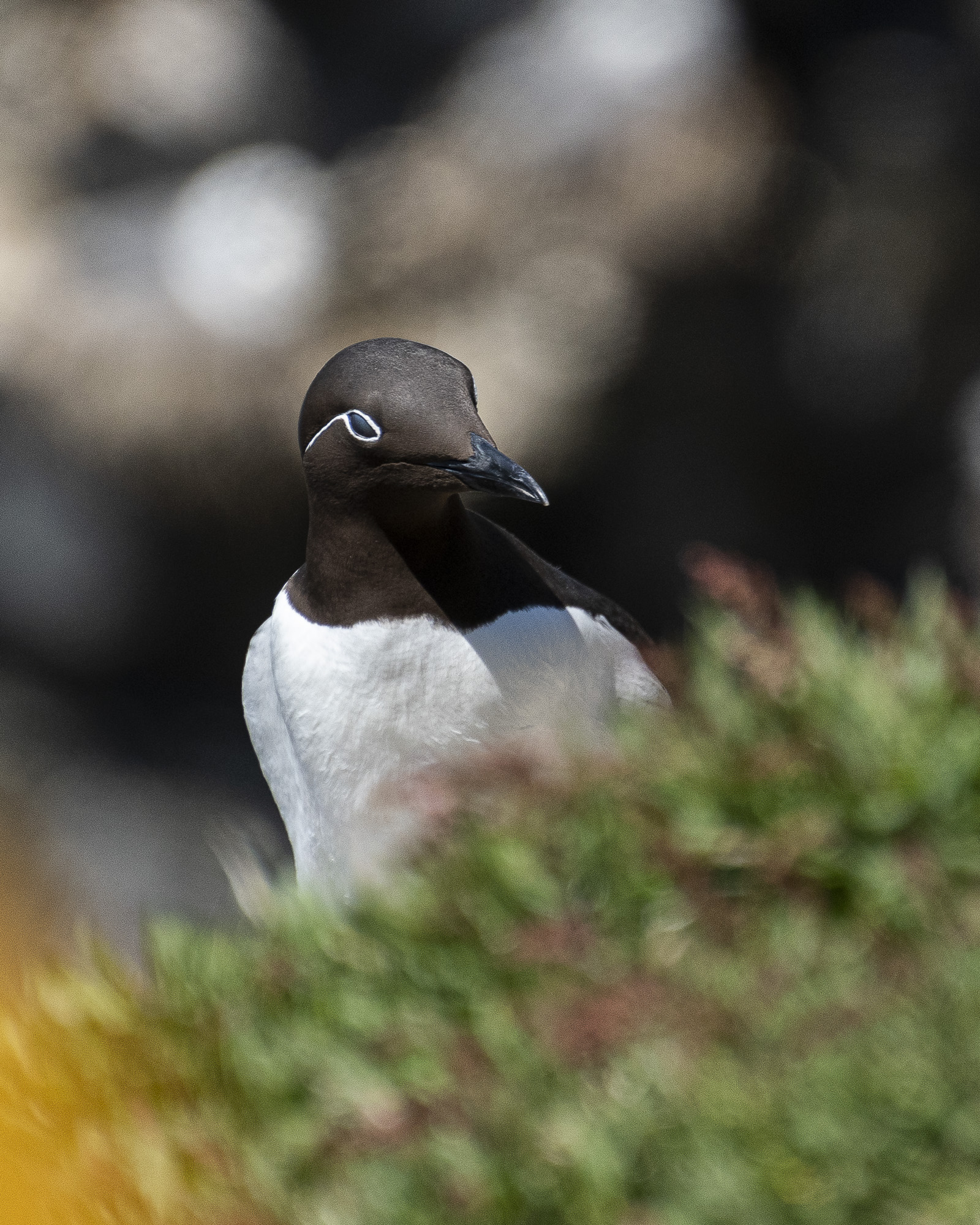
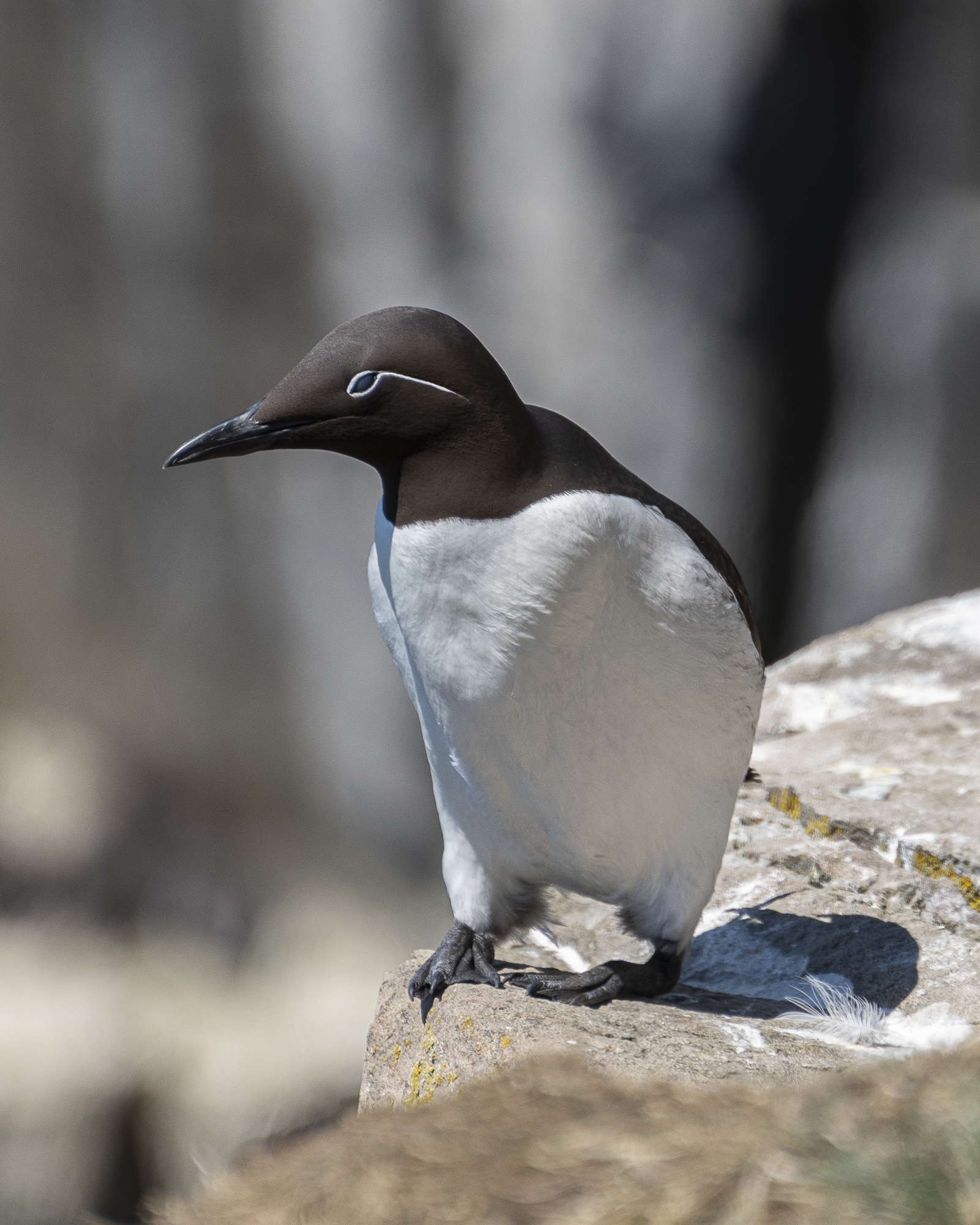
There was a nest of Common Murres just below our viewing site. I leaned over and around as much as I dared (probably not that much 😬), but couldn’t see the nest. However, one of the murres kept popping up to check on me. Too cute not to include in this post.
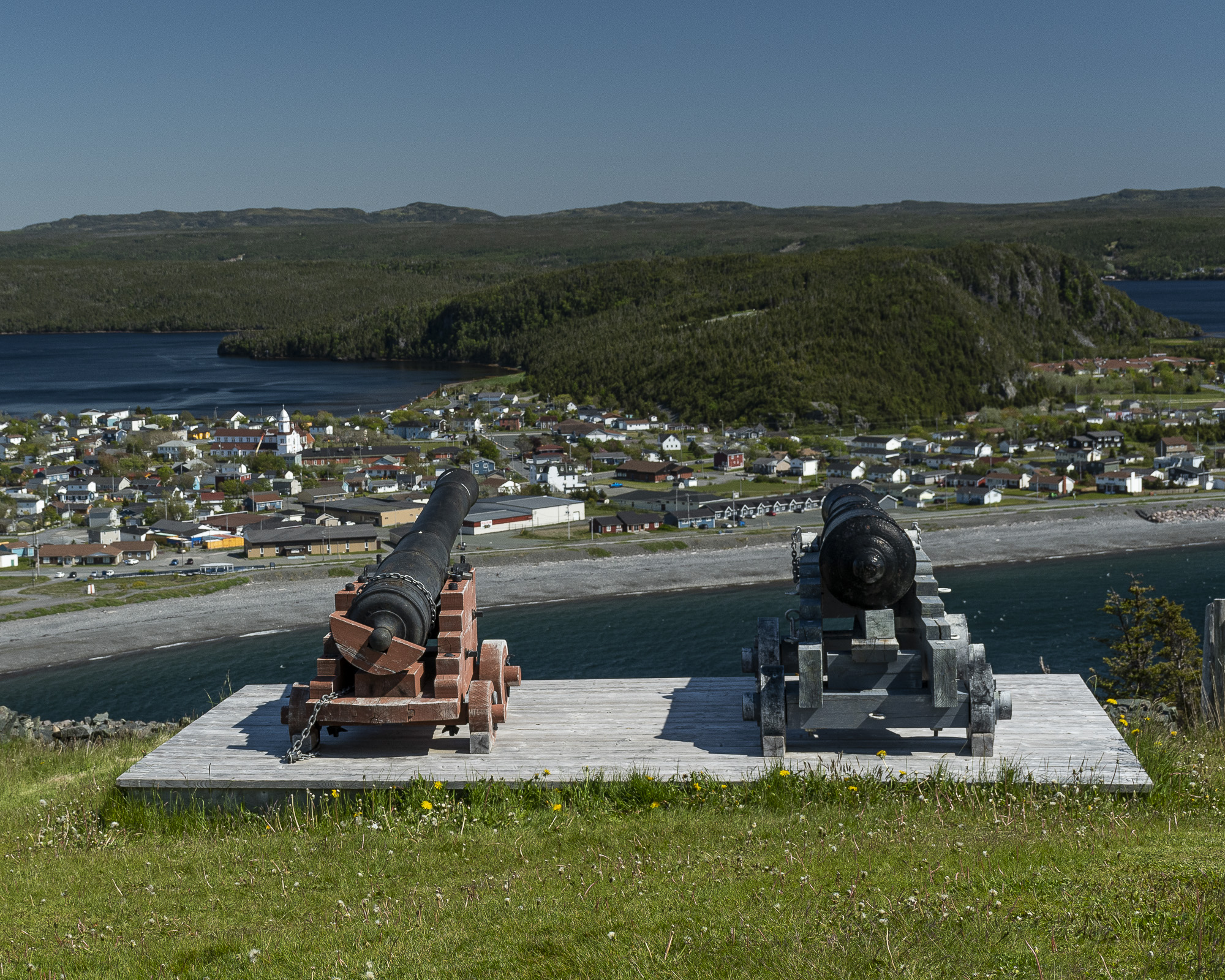
I ended the day with a visit to Castle Hill, the remains of an 17th century French fortification overlooking Placentia, built to protect Basque fishermen. It was all about the cod. The fortification was eventually ceded to the British during the Seven Years War.
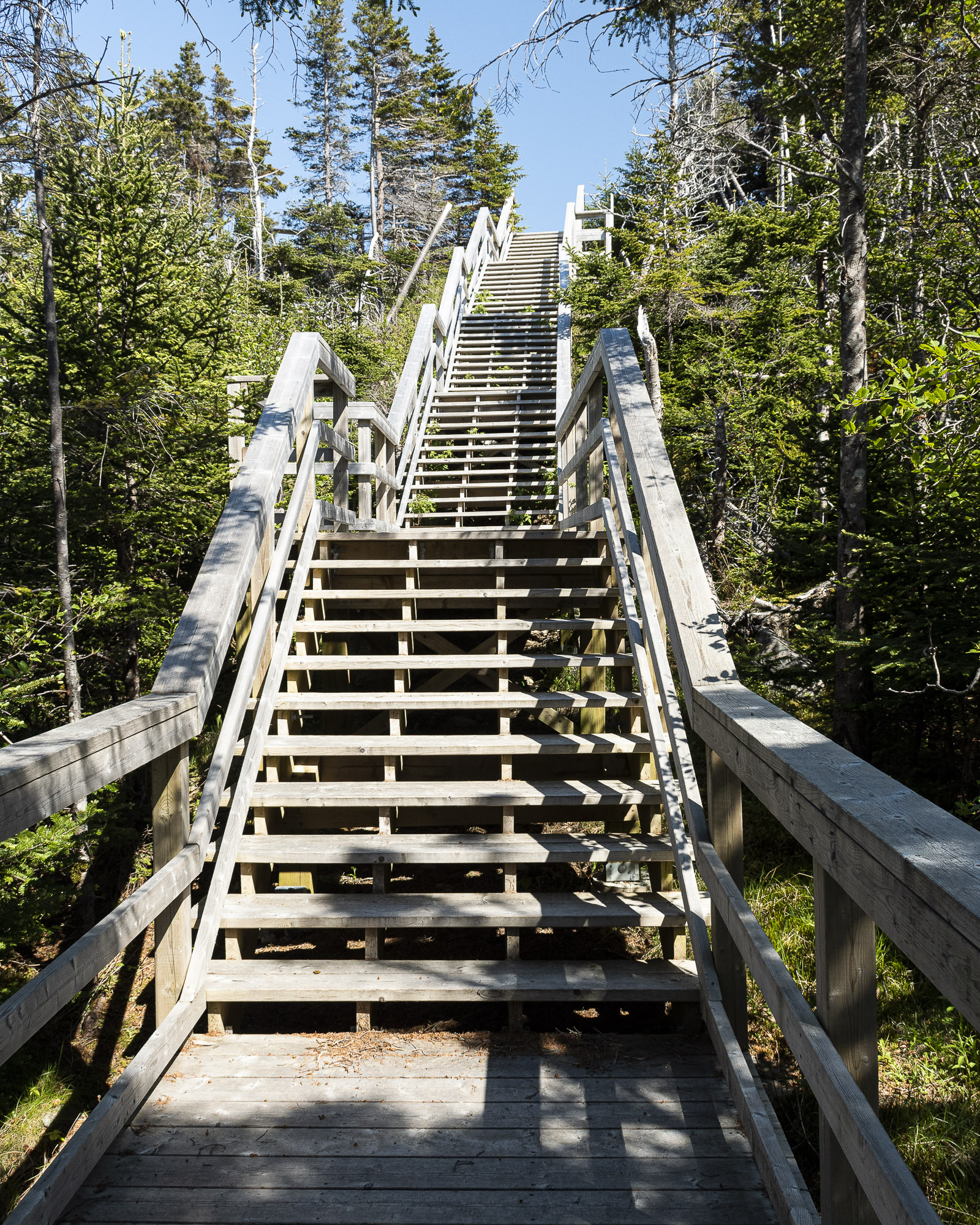
Time to head for St. John’s! See you there.


Leave a Reply