I love Road Scholar Tours! Today’s program provided two great examples of why. This morning Savannah Dodd who founded the Photography Ethics Centre spoke to us about the way photojournalism shaped the world view of the Troubles. This evening Olwen Purdue, social history professor from Queen’s University Belfast, traced the growth of Victorian Belfast from a small craft linen producing centre to one of the most successful industrial cities of its time. I guess it’s the academic in me – I love a good lecture!
Our morning began with Savannah Dodd’s lecture. During her talk she used these two photos, among others, one of which was published widely, the other wasn’t. Can you guess which was not published?
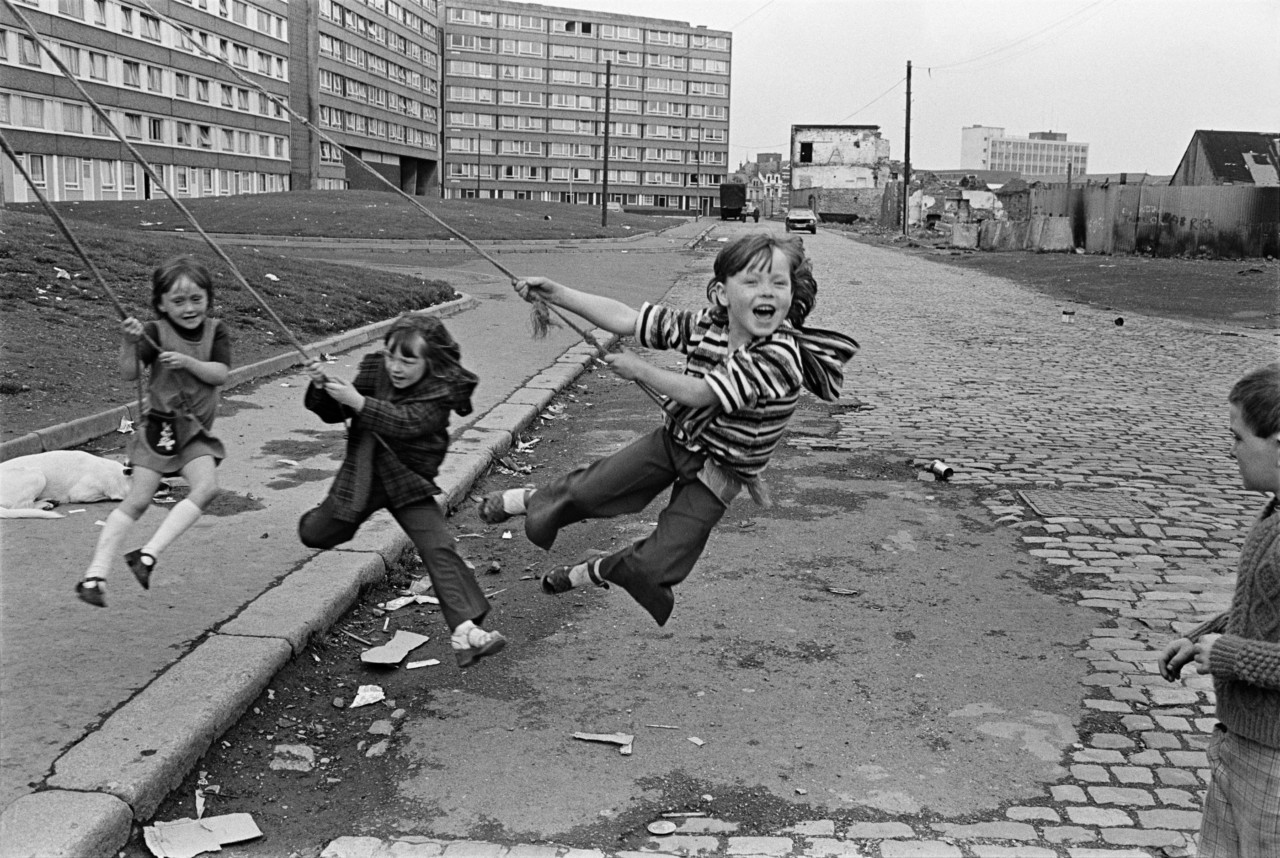
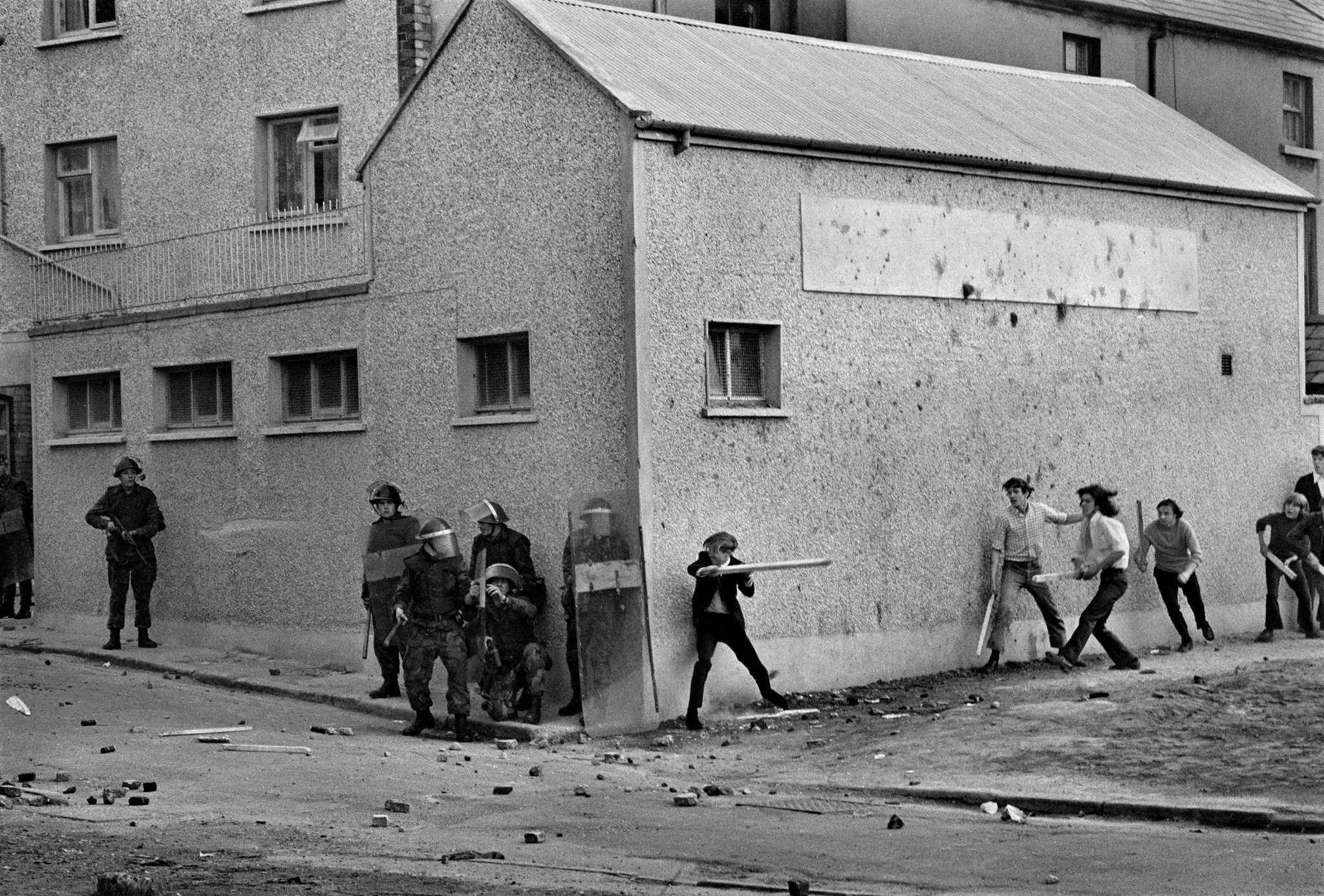
Both, or to be more accurate all four sides of the Troubles (the Ulster Defence Association, the Irish Republican Army, the Royal Ulster Constabulary and the British military) counted on photojournalists to get their messages out to the world. They wanted everyone to know about the struggle, so the photo of the children playing, taken around the same time, was not widely printed. It would have served no purpose, and newspapers and magazines wanted photos that sold their publications, i.e. violence and action.
The parties to the conflict were keenly aware of this. A member of the Constabularly allegedly spoke to a group of photojournalists telling them to go home. Go home, he said, and then they – the fighters – will go home too. The discussion was much wider than this short description. It was fascinating and very thought-provoking.
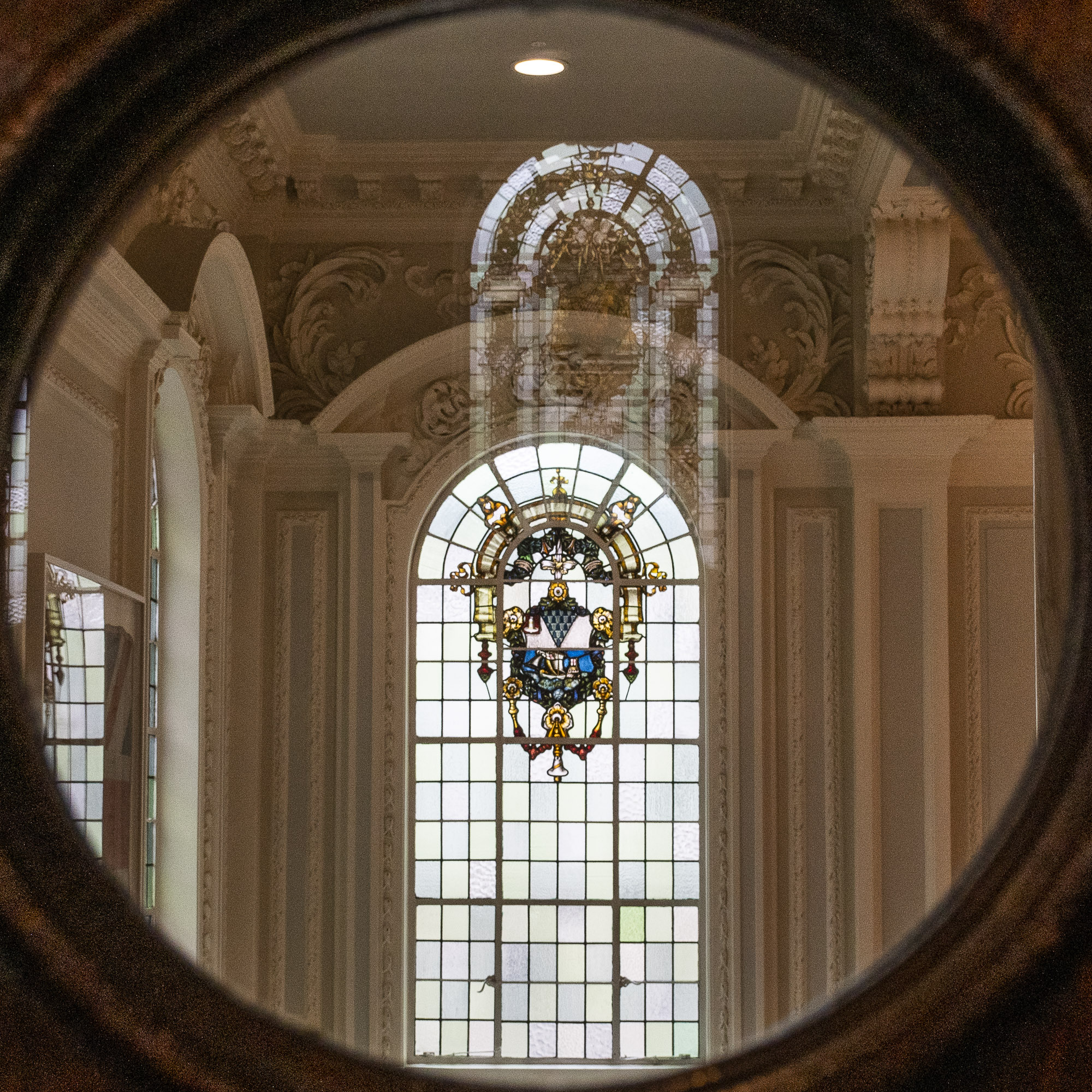
Next up was a guided tour of Belfast City Hall, a stunning building that opened in 1906.
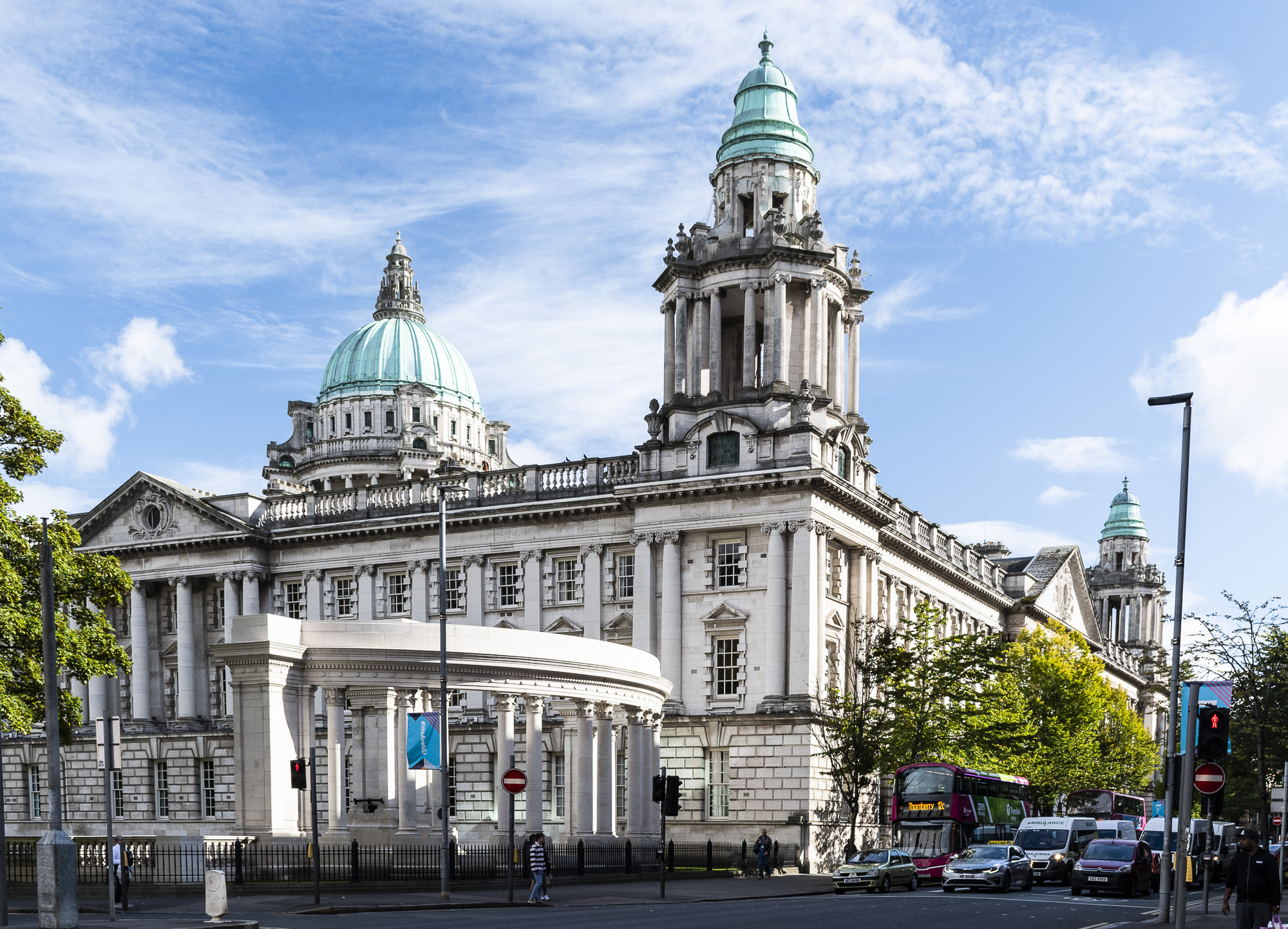
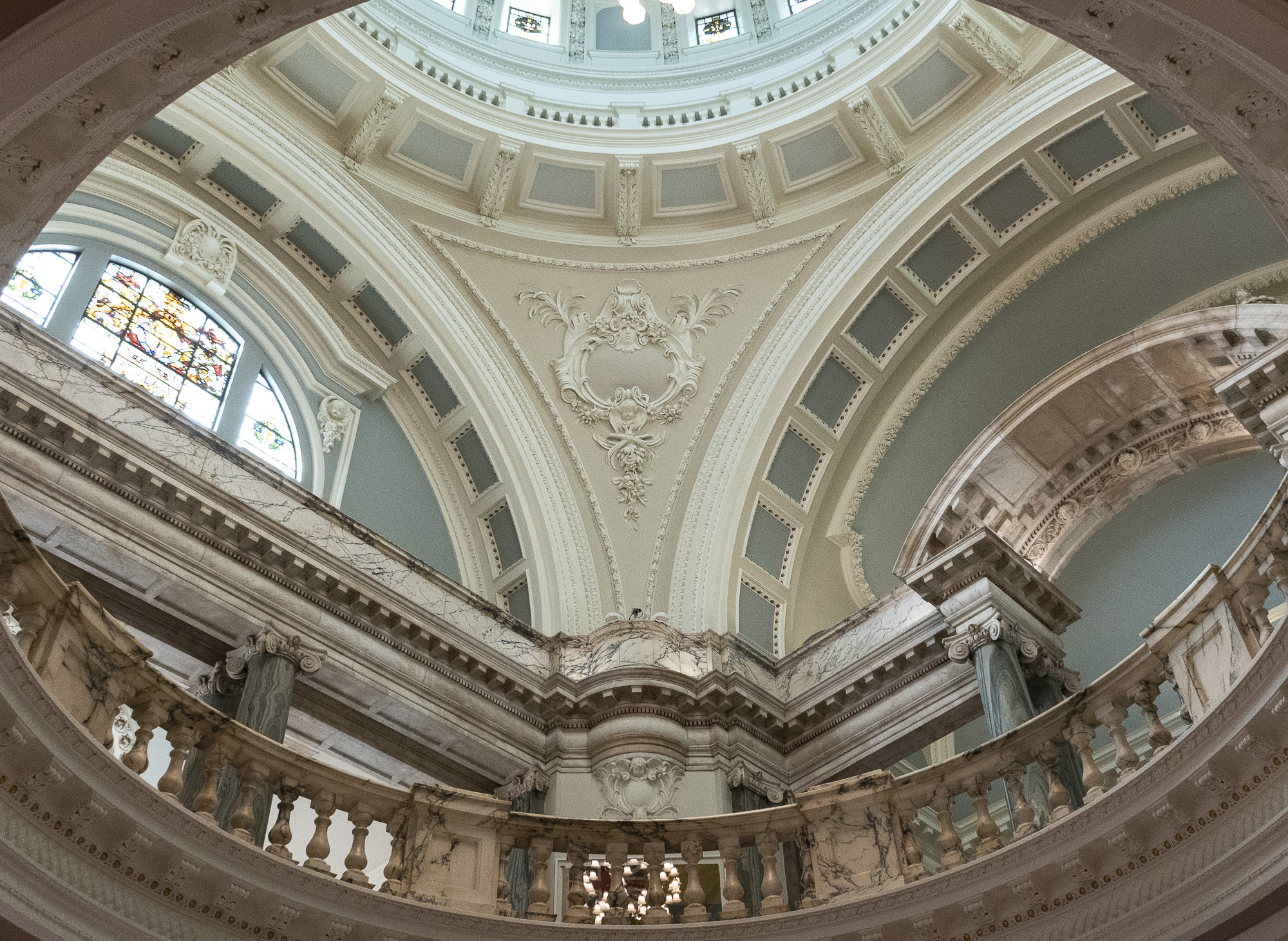
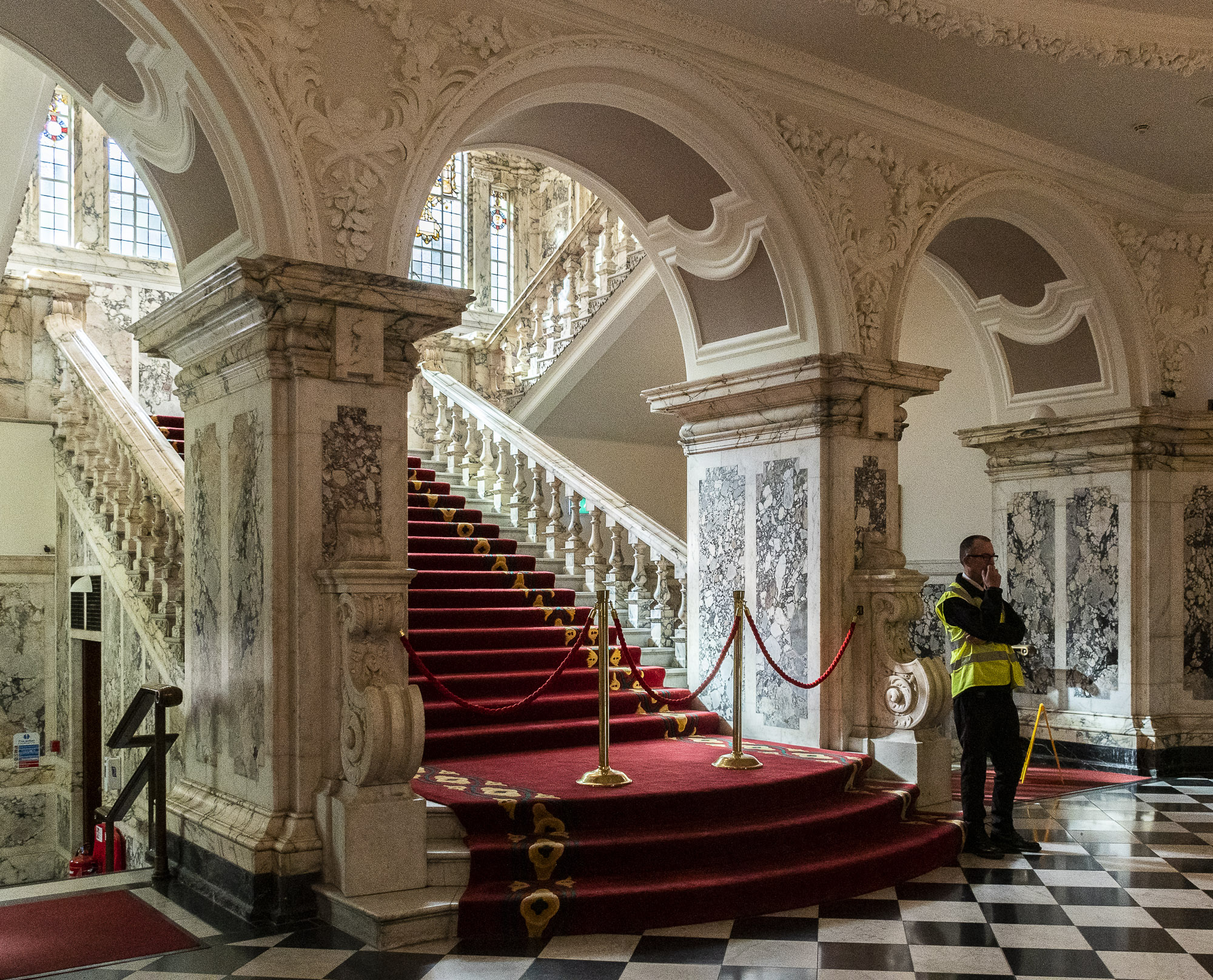
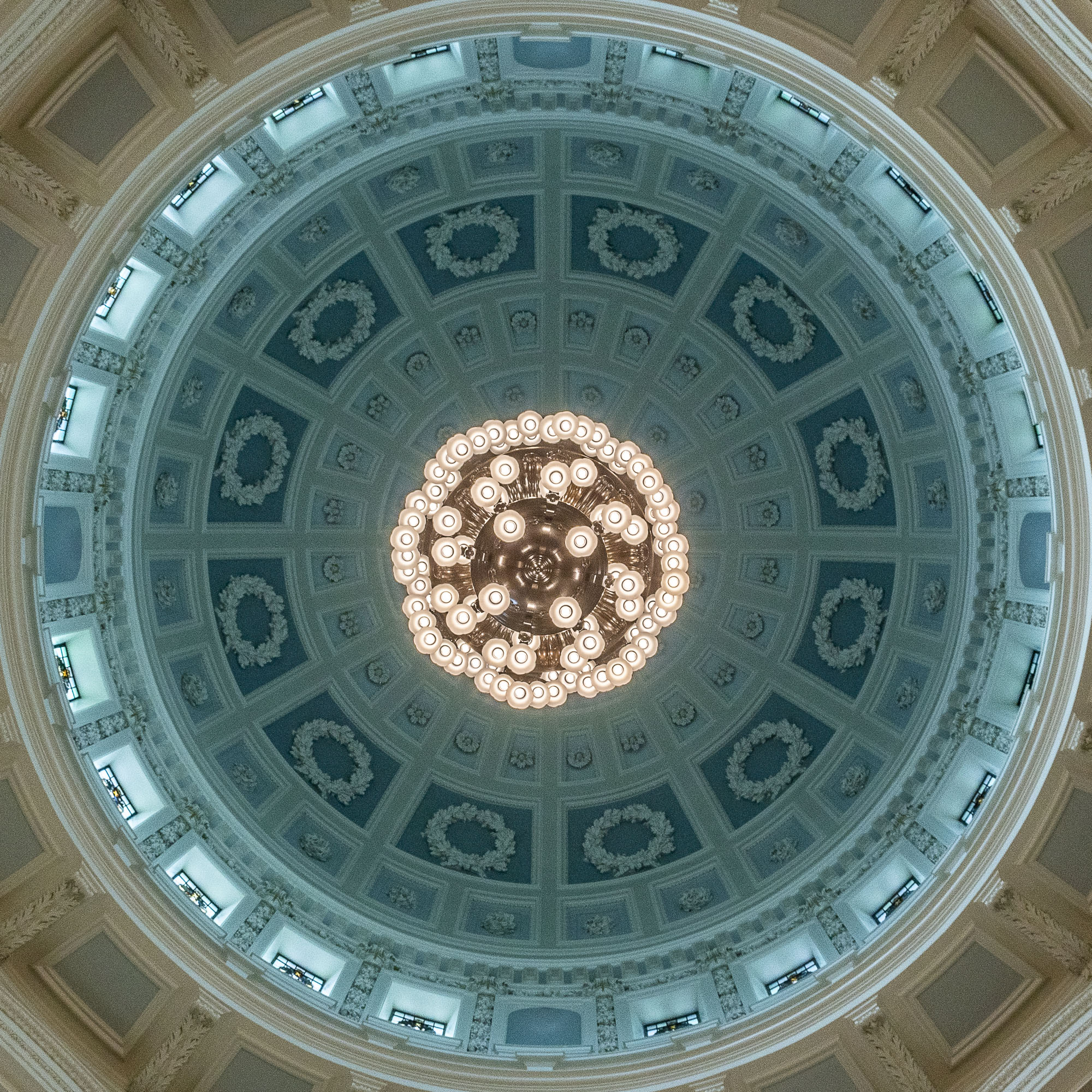
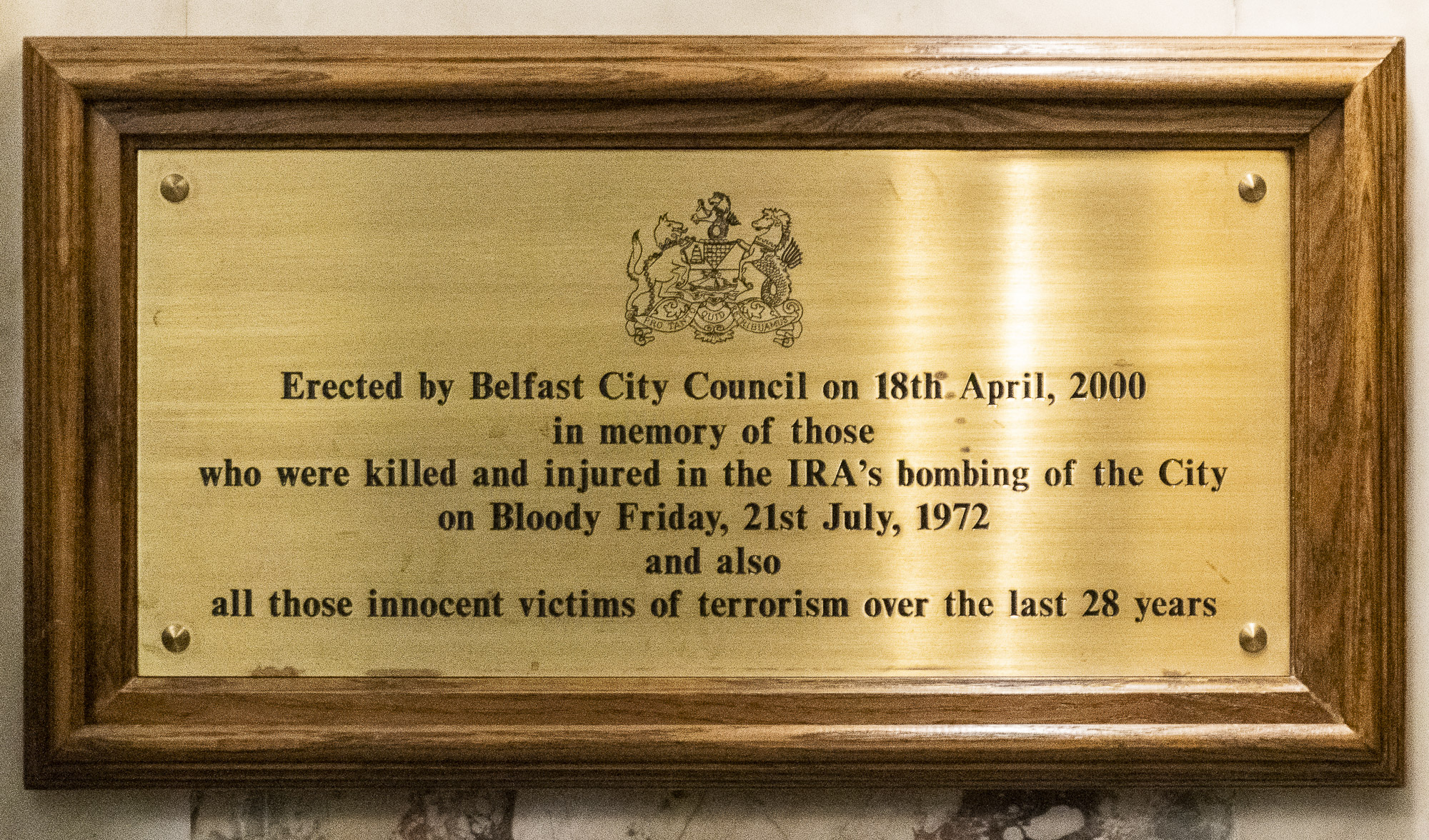
I found this plaque, not pointed out by the guide, most interesting.
Following lunch we embarked on our highly anticipated – at least in my case – trip in “Belfast’s black taxi cabs to see the colourful and evocative murals of East and West Belfast” (from our printed itinerary). Road Scholar rarely disappoints, but sadly this time it did. I had watched clips of these tours on YouTube and looked very forward to seeing and photographing many of the murals.
Instead we were piled into two mini-vans – granted one WAS black 😋 – and taken to three locations. The first was in the protestant sector where one of the drivers spent quite some time telling us about the Troubles. At least I think that’s what he was talking about. I could only undersand about 50% of what he said. When I mentioned this to two of my tour mates, they said I was lucky to understand that much. Have a listen, your ear may be better than mine.
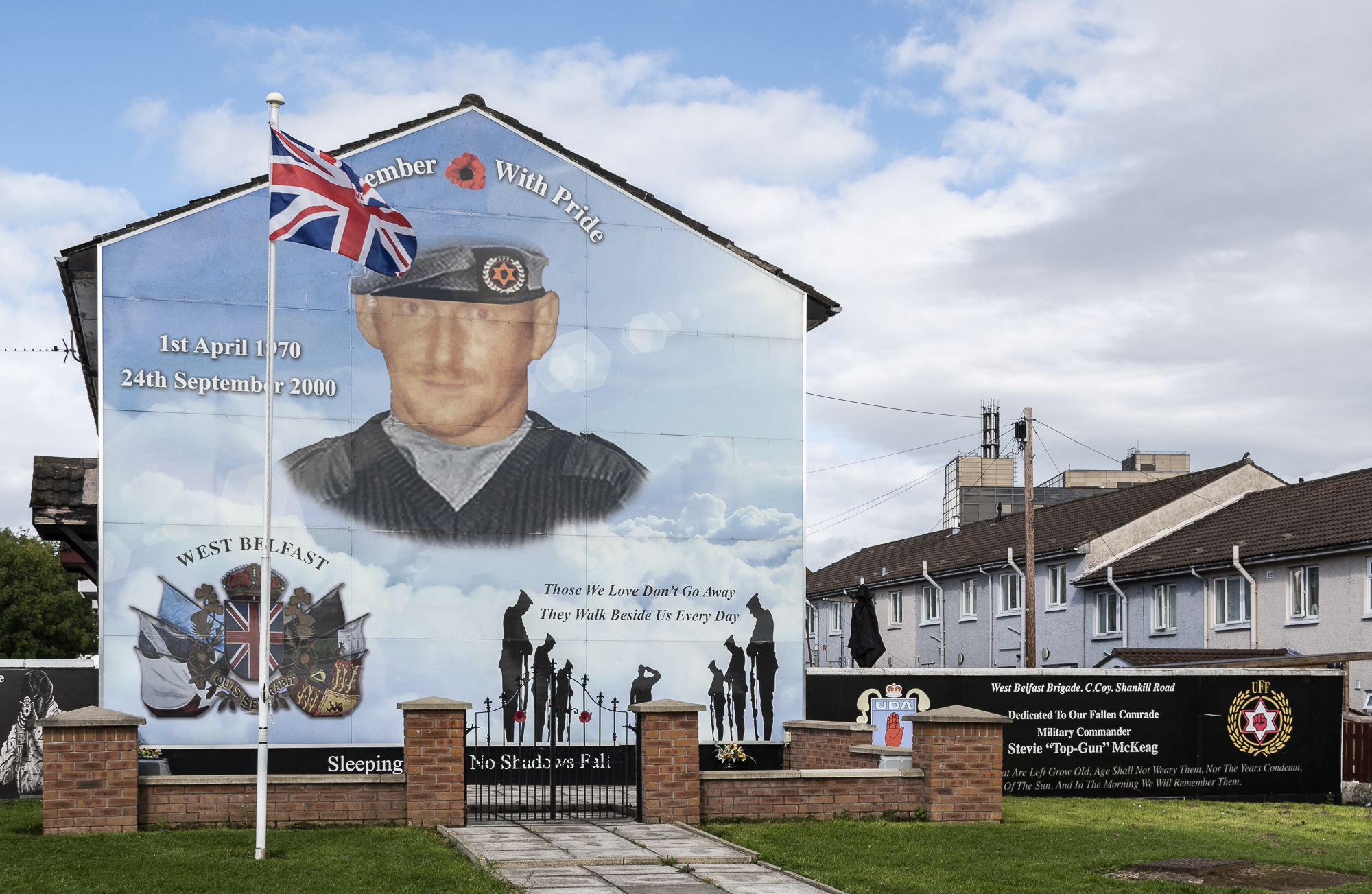
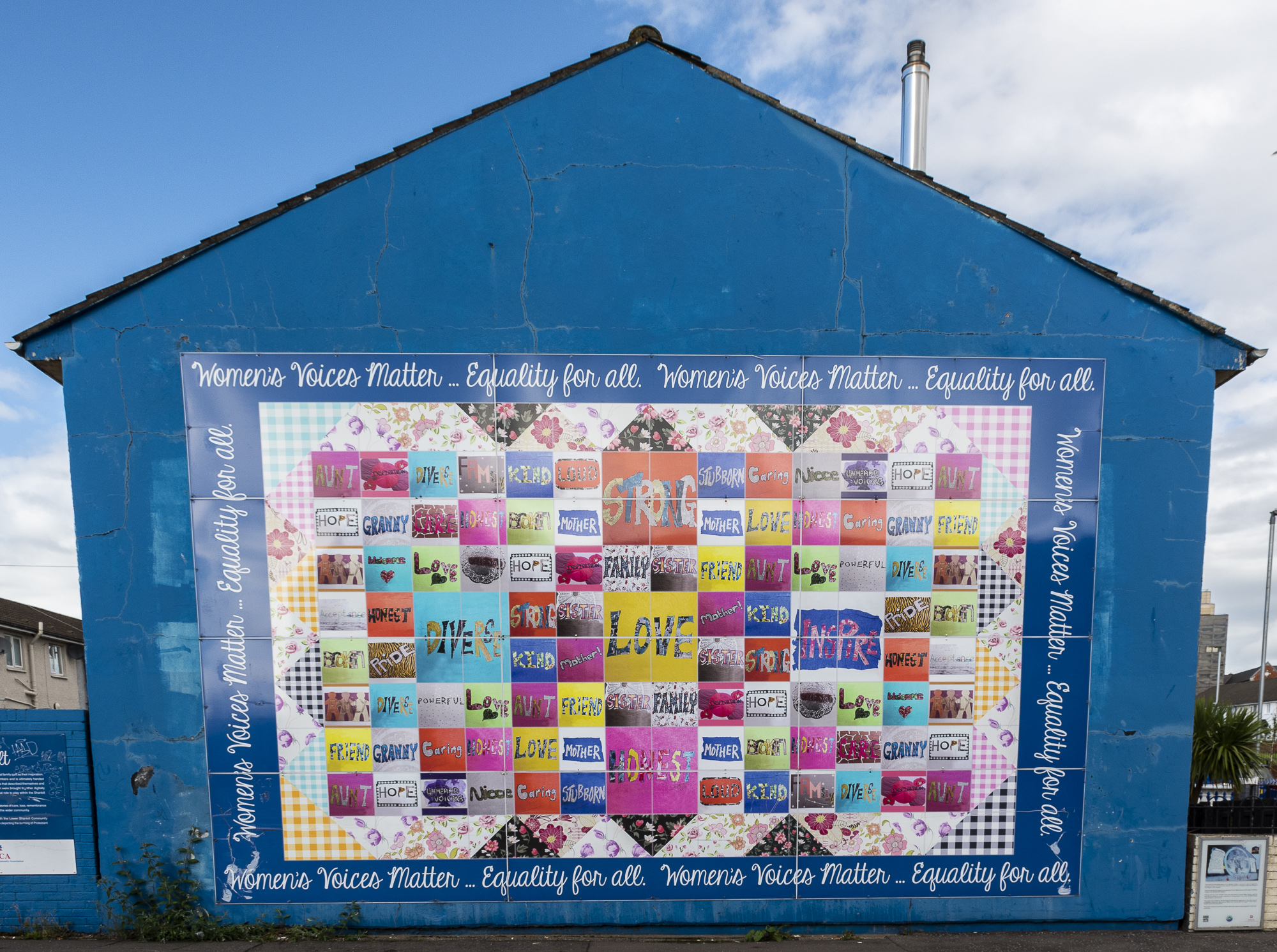
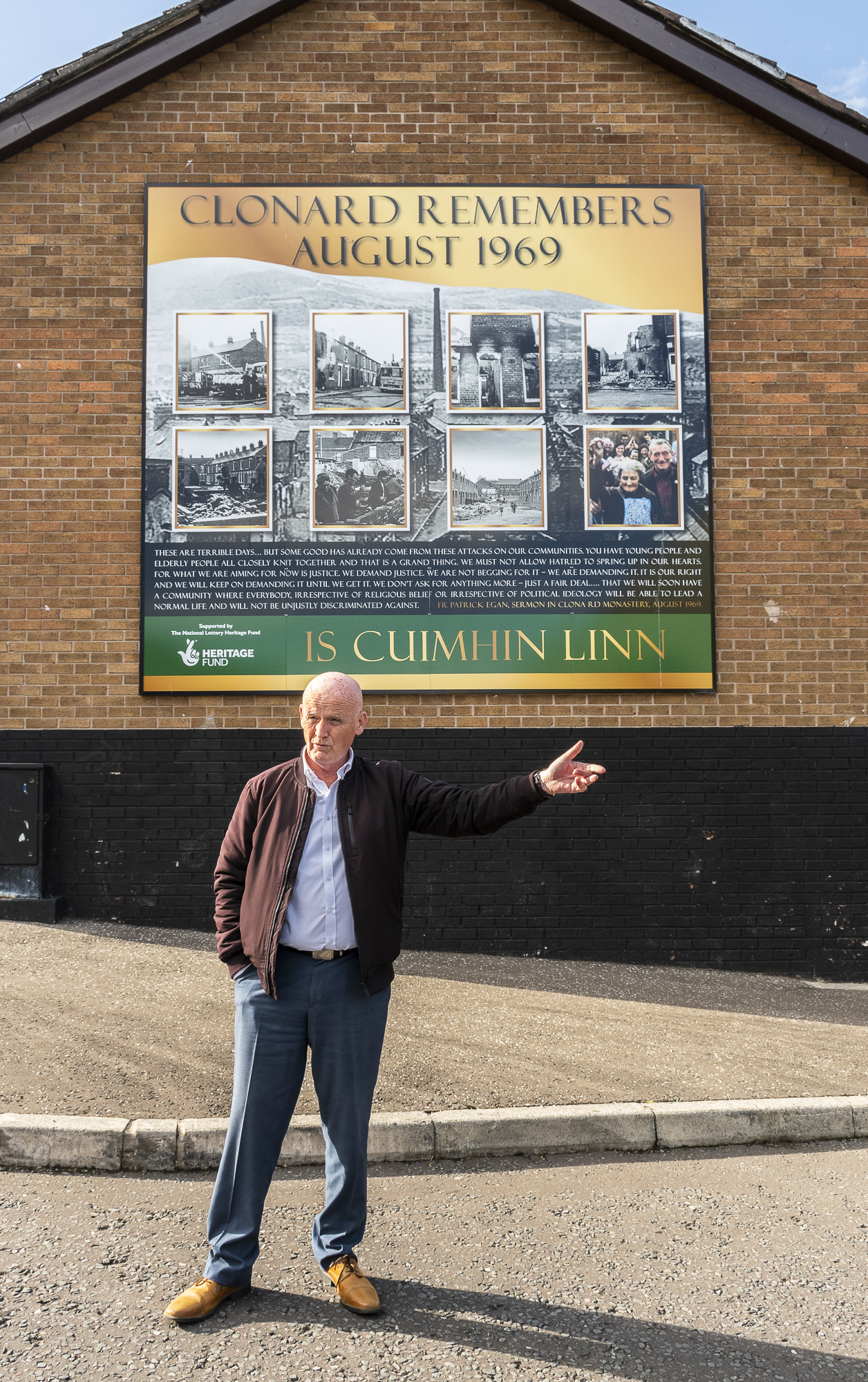
There were two murals at this location. One was a tribute to the best killer the UDA had, the other was a women’s quilt project.
And that was it for murals. The second stop was on the Protestant side of the Peace Wall, the four-mile long, 50-foot high, wall that keeps the Protestant and Catholic communities apart. There are four gates between the two communities. Each gate is closed at night. These gates do not isolate either community from the rest of Belfast, they just keep short, easy access to each other’s community from happening at night.
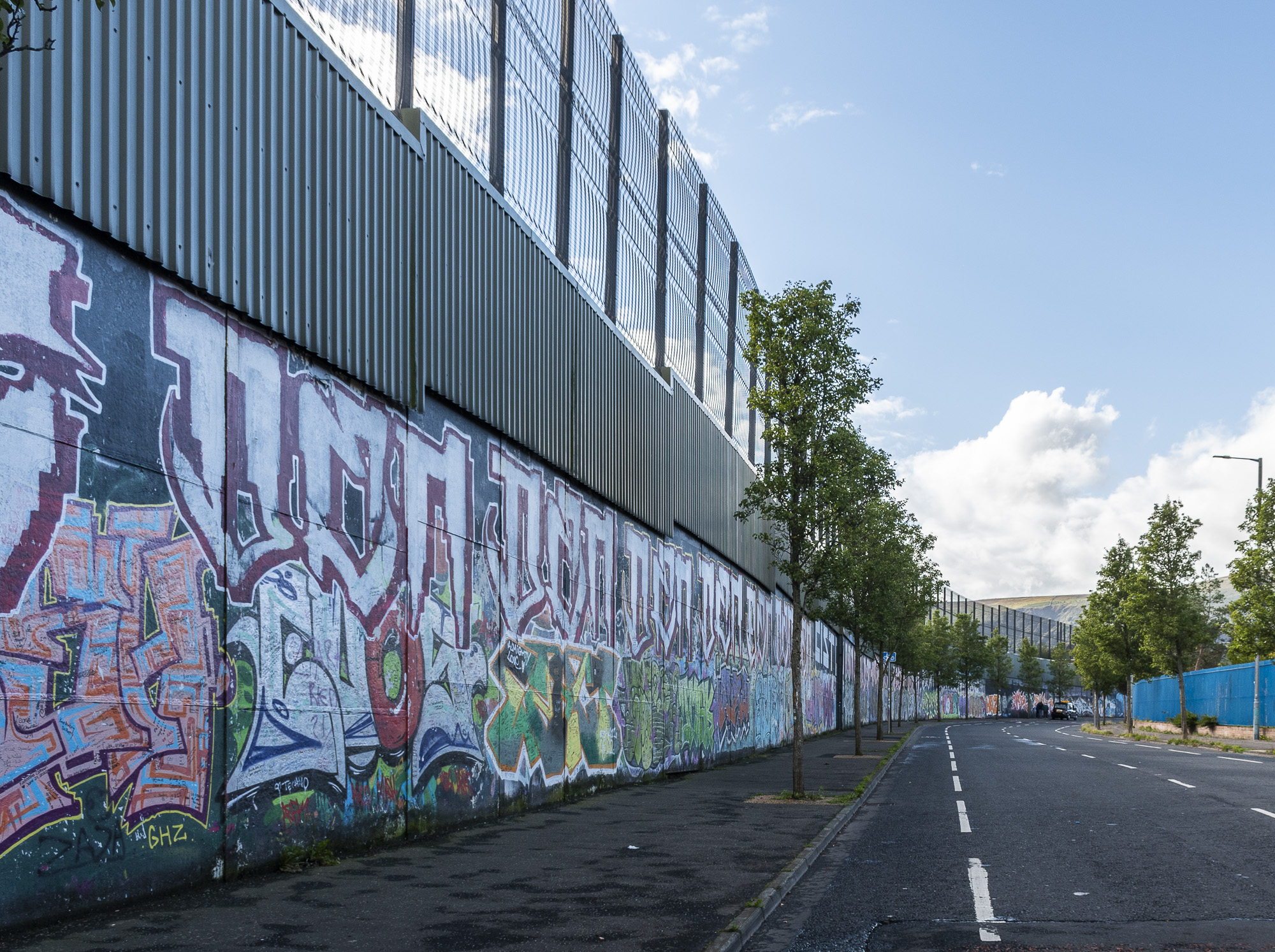
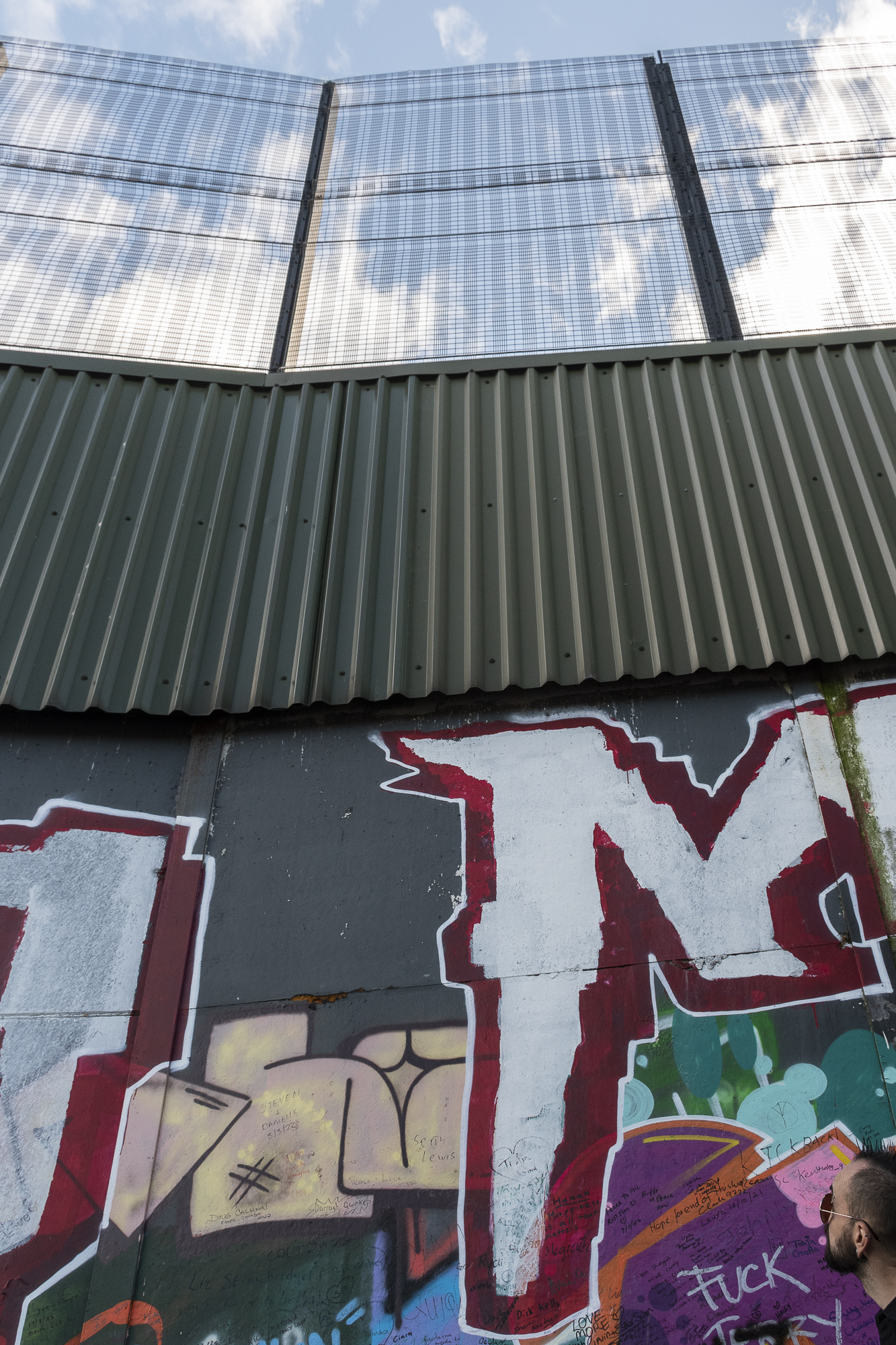
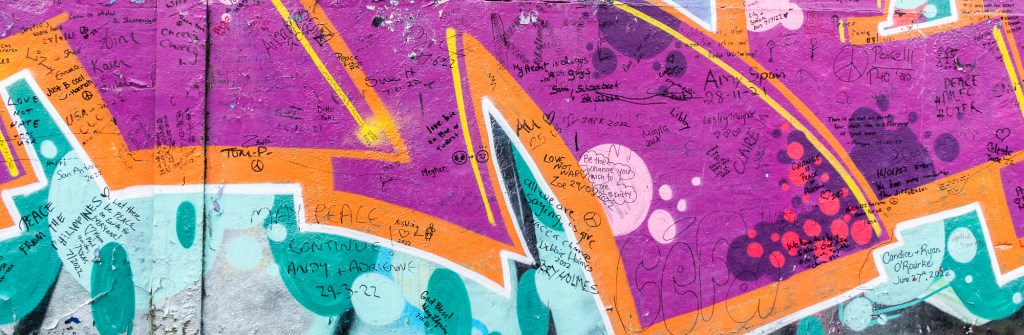
Tour guides provide sharpies for tourists to write on the wall. I chose not to. The messages on the wall, some of which you can read in the header photo of this post, range from wishes for peace, to love messages from a couple, to menacing messages about what will happen when either community does … whatever.
The same guide again spent a long time expounding on the peace wall, and whether it would ever come down and the conditions that would have to exist for it to come down, and where the gates were and why they were still necessary. At least I think that’s what he was talking about.
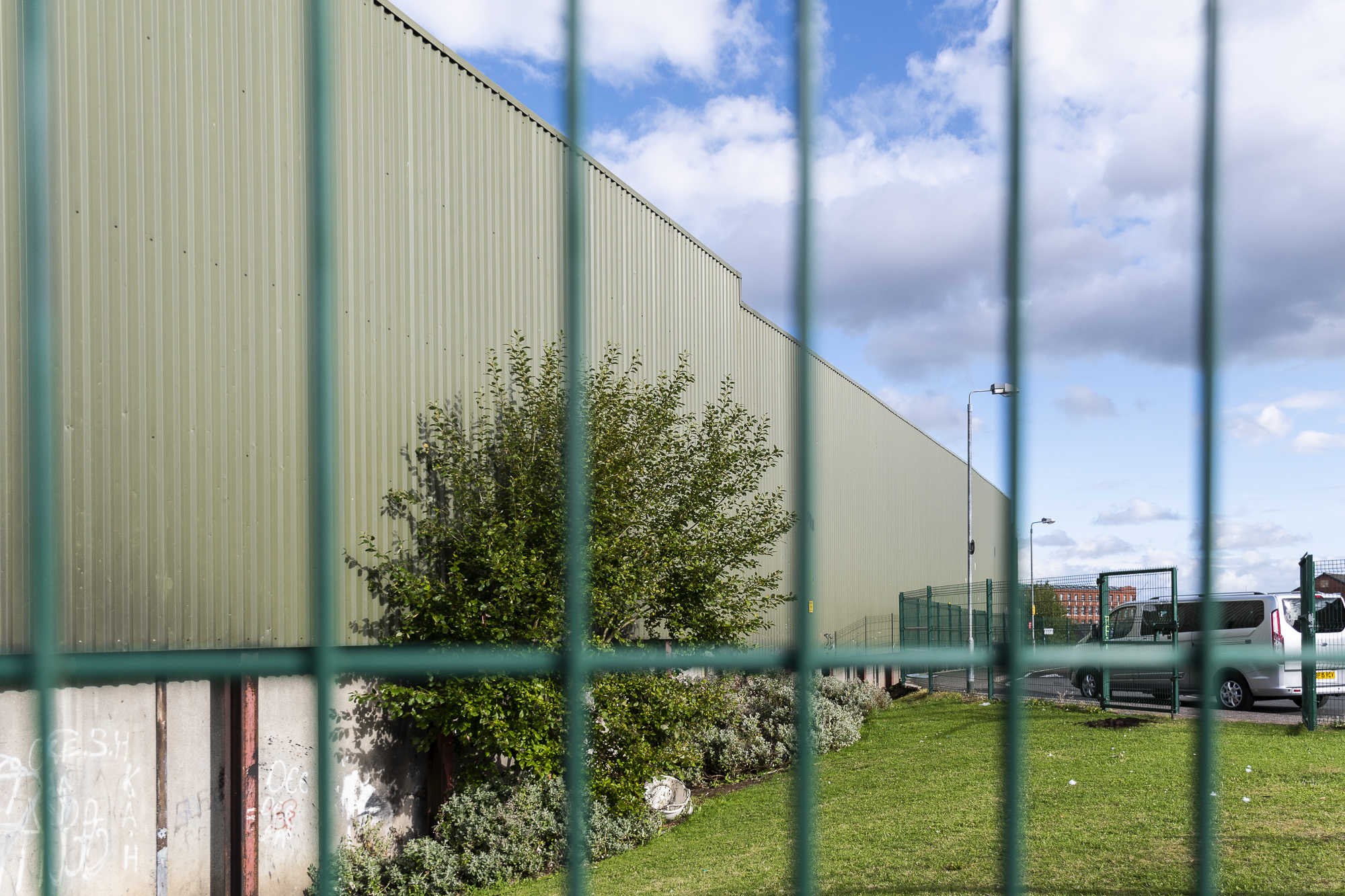
Our third stop was at the Catholic side of the same wall which has a completely different vibe. There’s almost no graffiti though the wall is accessible behind the photographed fence. The second mini-van driver addressed us here. He spoke more slowly and his accent was not as strong, so we could understand him. The message was essentially the same. It will take the older generation dying off and the younger generation that has less attachment to the identity passions of the Troubles to take over for peace to really occur.
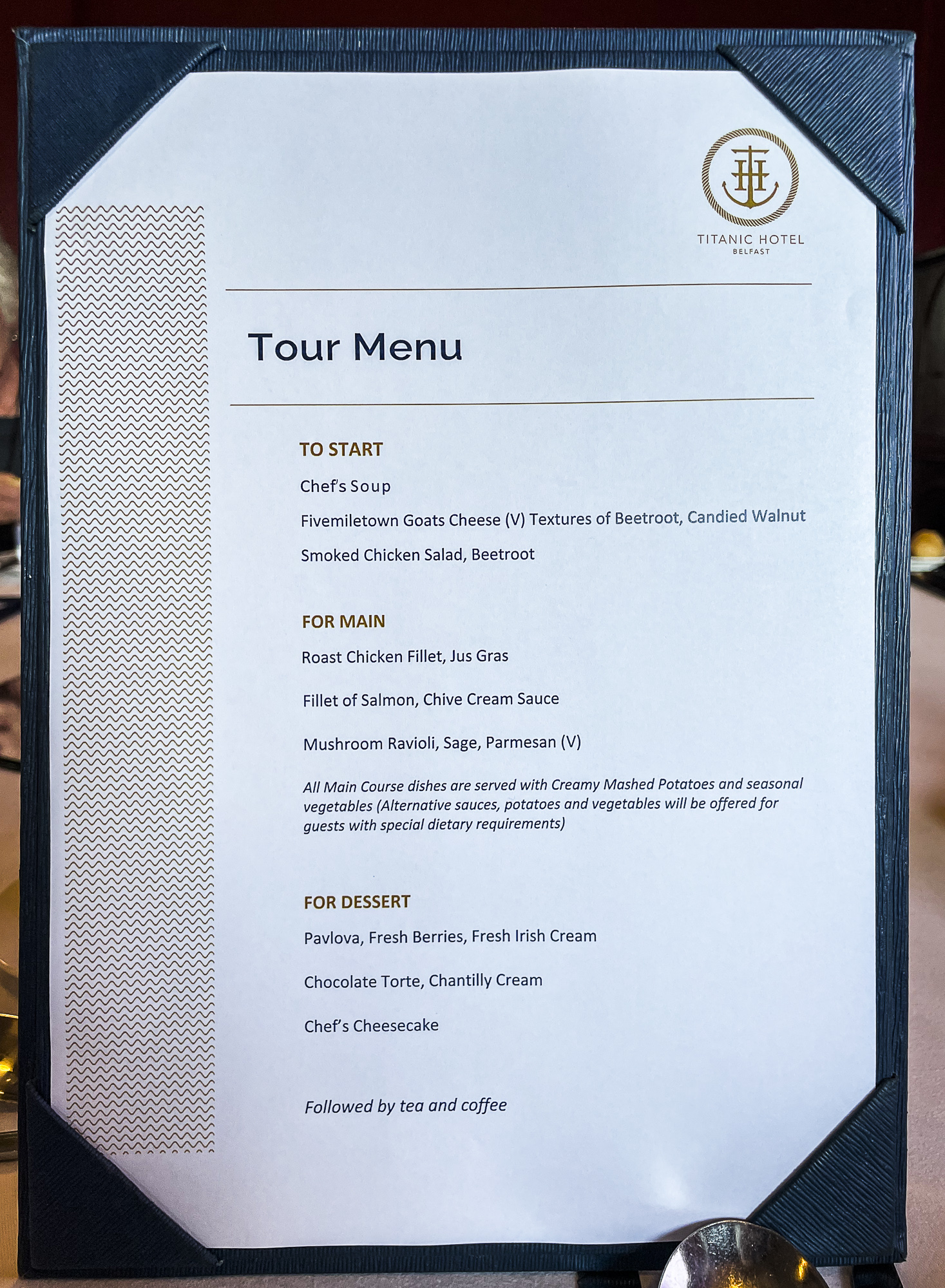
Dinner was at the Titanic Hotel where were were treated like luxury cruise passengers: linen tablecloths and napkins, several glasses and much cutlery, a printed menu and complimentary wine.
Olwen Purdue spoke to us during dinner about the industrialization of Belfast during Victorian times. Why Belfast? It had no useful natural resources other than flax that was used to weave linen. But it did have a harbour that was dredged and provided deep water access to ships hauling coal and steel from Scotland. A visionary, Edward James Harland, began work on steel ships for the White Star Line. He eventually made his assistant, Gustav Wolff, a partner in his company which to this day is known as Harland & Wolff – H&W.
My training as an economic historian had me lapping up every word of Dr. Purdue’s presentation and I think the rest of my group enjoyed the discussion too. Here’s a short preview of a larger documentary on the rise of shipbuilding in Belfast that raised the city in the 1800s to prominence in the industrial world. Trust me – it was fascinating!
Tomorrow we will visit Titanic Belfast and then have the rest of the day to ourselves. I’m looking forward to visiting St. George’s Market and trying out a couple of pubs. Slán go fóill.


Leave a Reply