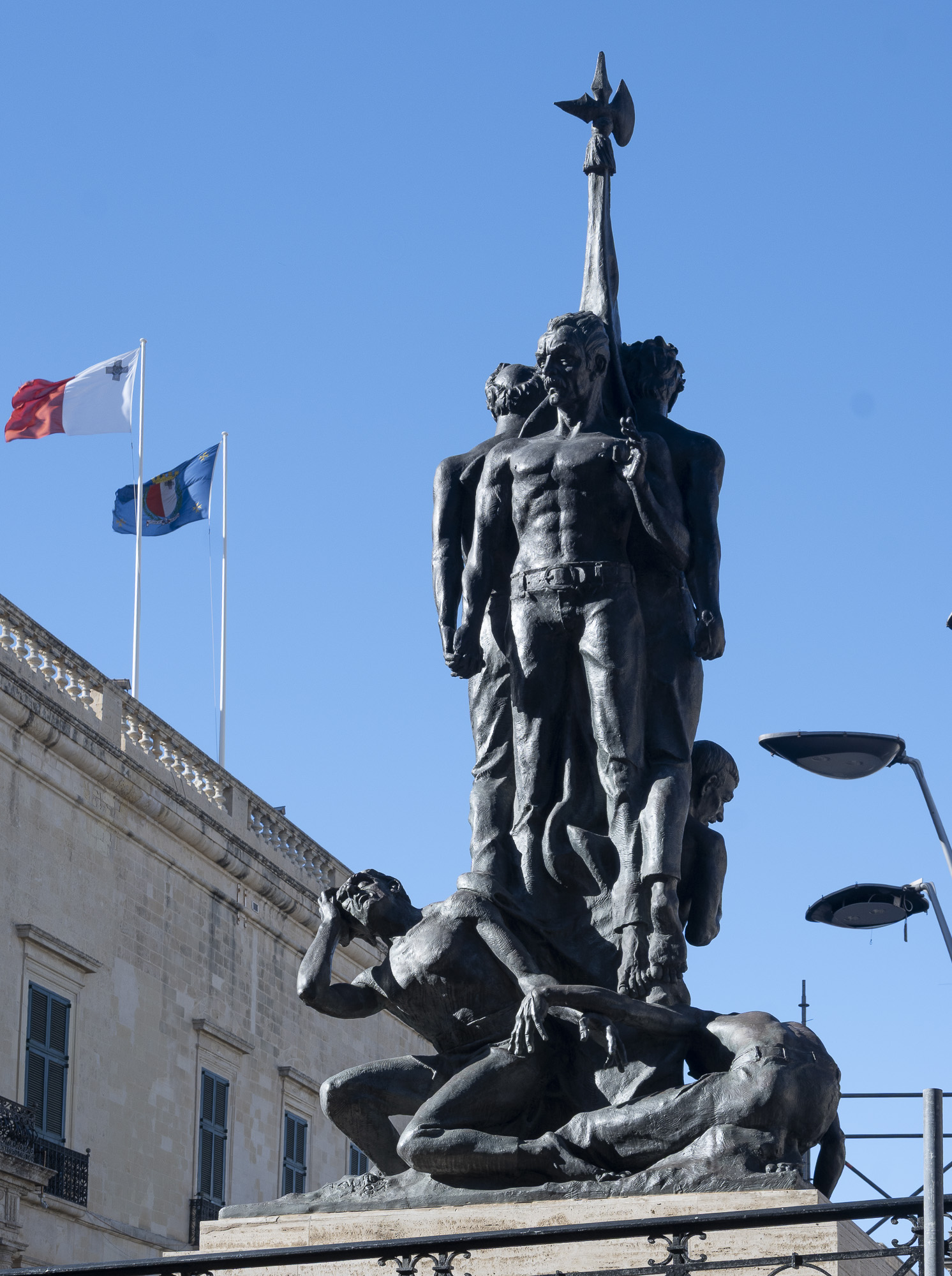
This morning a different guide, Josette, took us on a walking tour of Valletta. On our way to St. John’s Co-Cathedral we passed the Sette Giugno Monument (sette Guigno means 7th of June in Italian) commemorating riots over cost of living increases in 1919.
The Sette Giugno Monument interprets a key moment in Maltese history by depicting the suffering of victims and the resilience of the Maltese spirit. According to Google AI: The monument features a bronze sculpture of six torsos: two figures stand triumphant, representing the enduring spirit of the Maltese, while four others are fallen on the ground, symbolizing the casualties of the British troops’ violent suppression of the protest. This monument serves as a powerful reminder of the island’s struggle for freedom, democracy, and self-governance under British rule.
June 7th is now a national holiday in Malta.
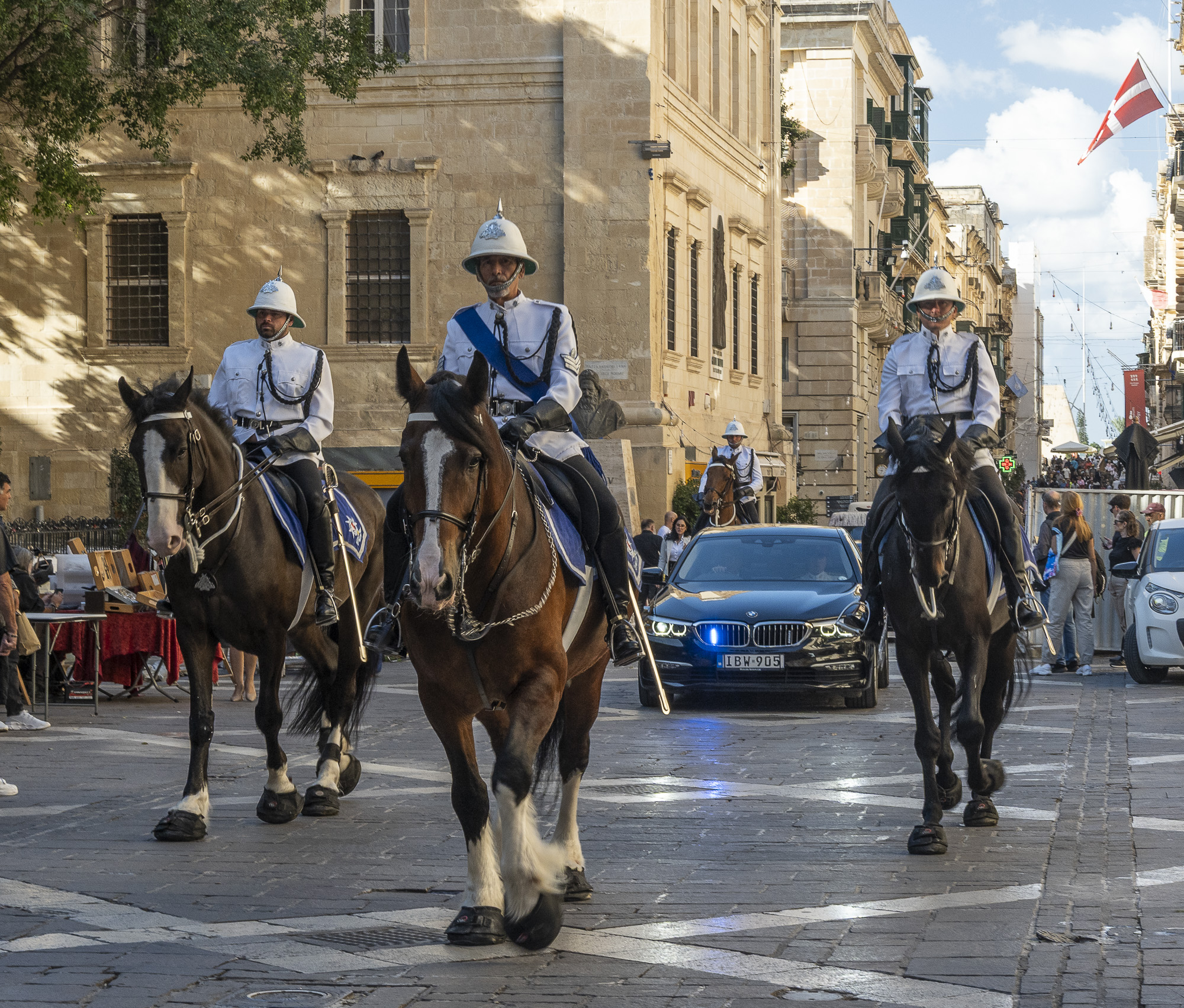
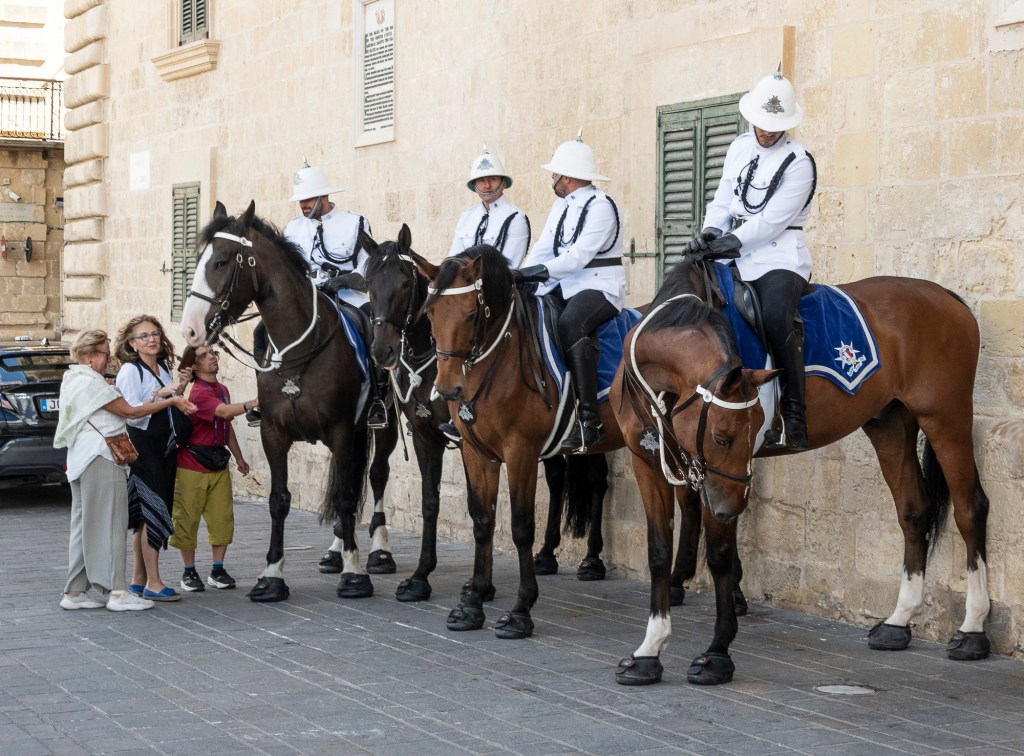
Still on our way to St. John’s Co-Cathdral, a mounted procession passed by. A newly appointed ambassador from China, so I am told, had arrived and was on their way to present their credentials to the Maltese president. British pomp in action!
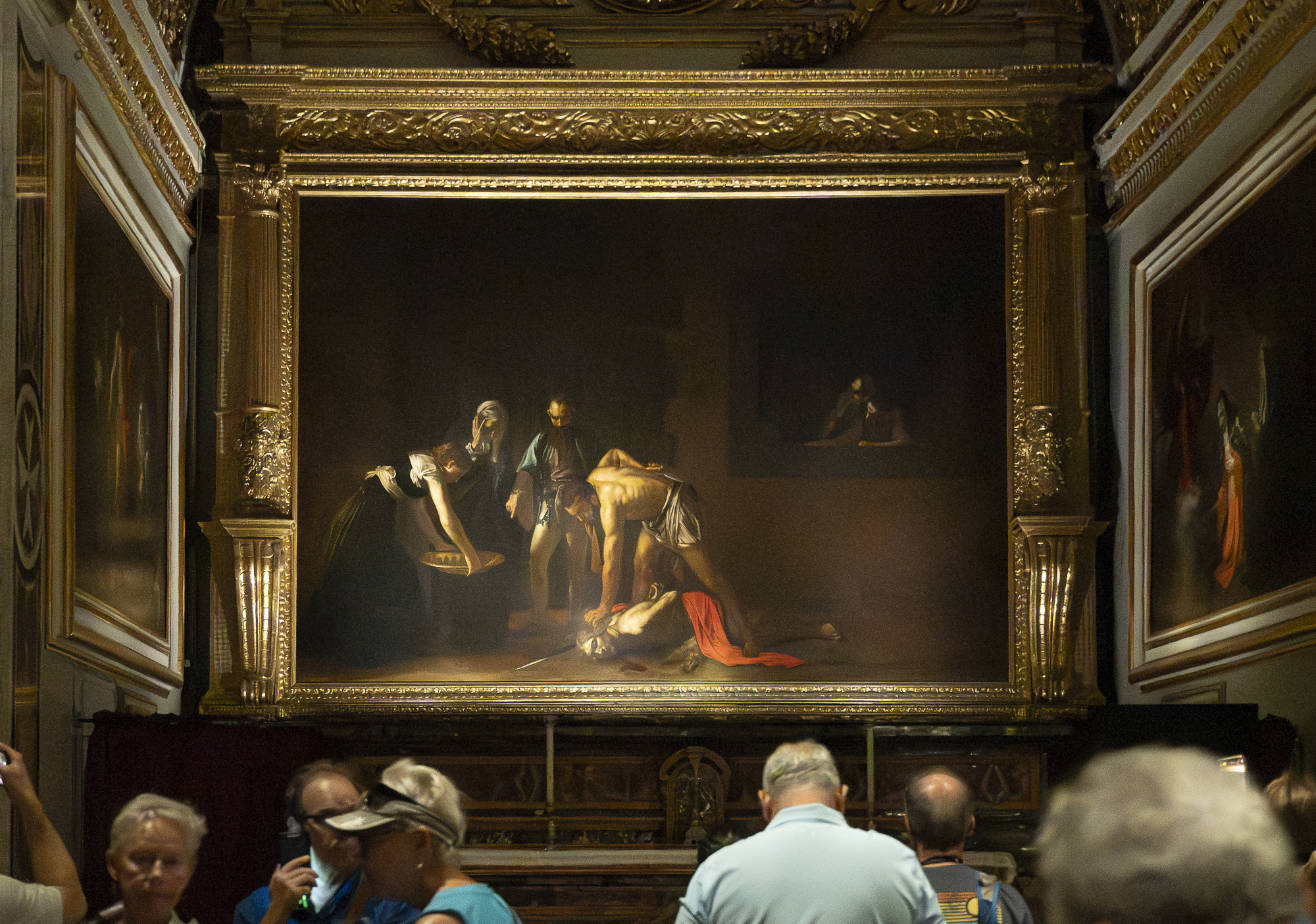
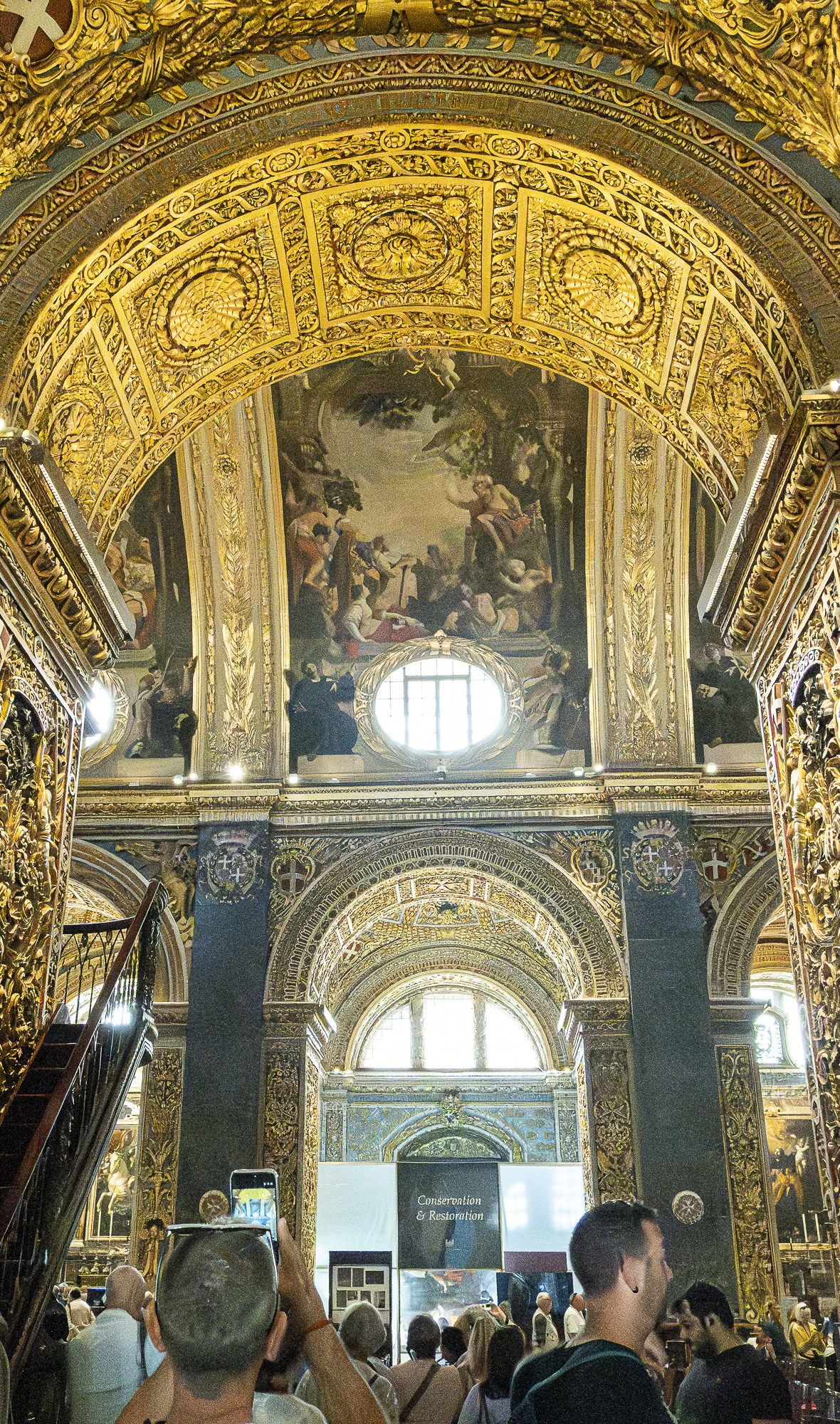
St. John’s Co-Cathdral is quite unprepossing on the outside, but stunning on the inside. It is almost wallpapered with gold leaf giving a warm glow to the interior. In one of the side chapels there is a Caravaggio painting – The Beheading of Saint John the Baptist – the only painting he ever signed. He signed it in the blood from John’s severed head.
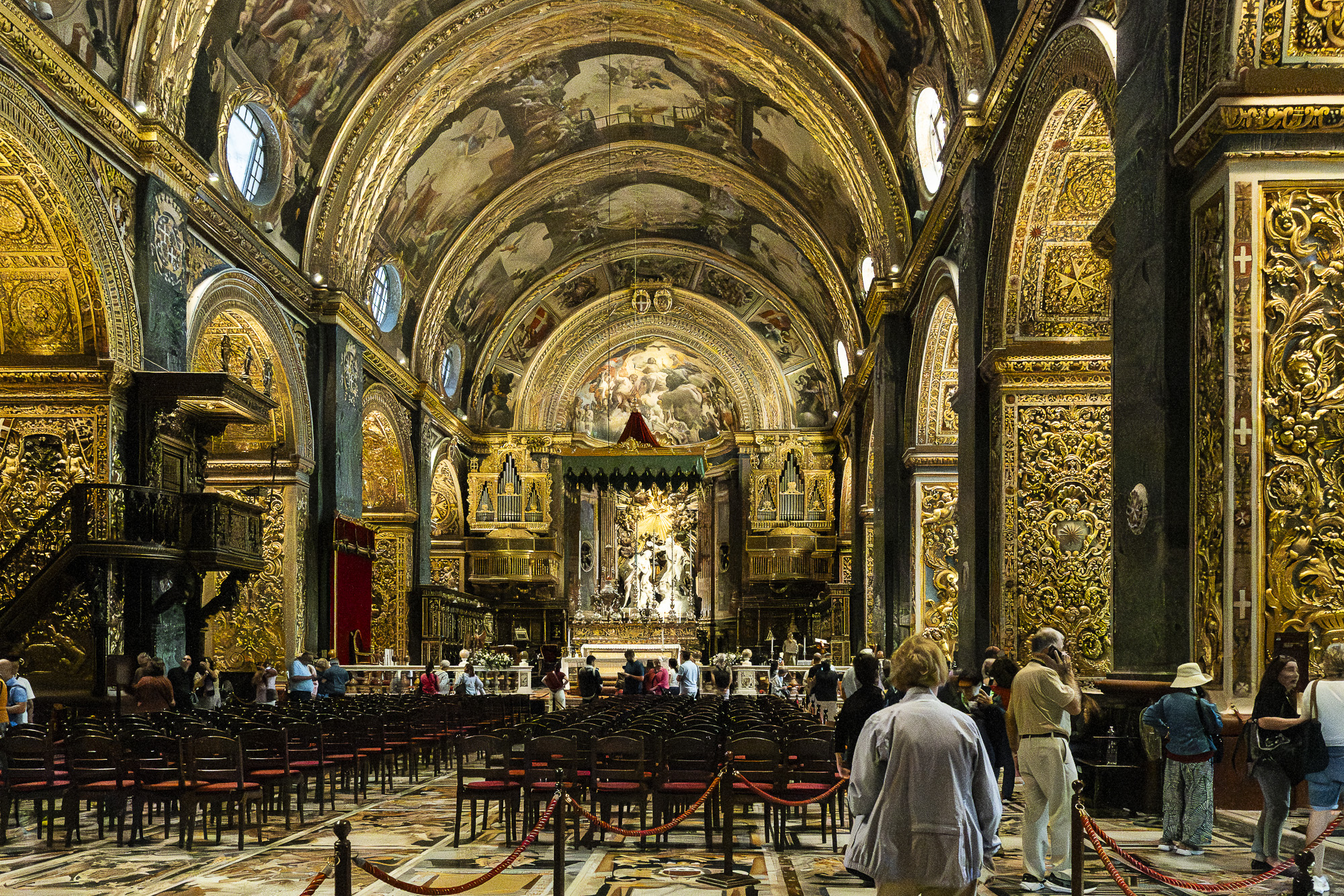
Interior shots of the Co-Cathdral. This church is called a Co-Cathedral as there is one in Gozo and it has a Bishop, but the Valletta verison was already designed and blessed. Rather tha upset anyone, Rome agreed to two cathedrals each with their own bishop.
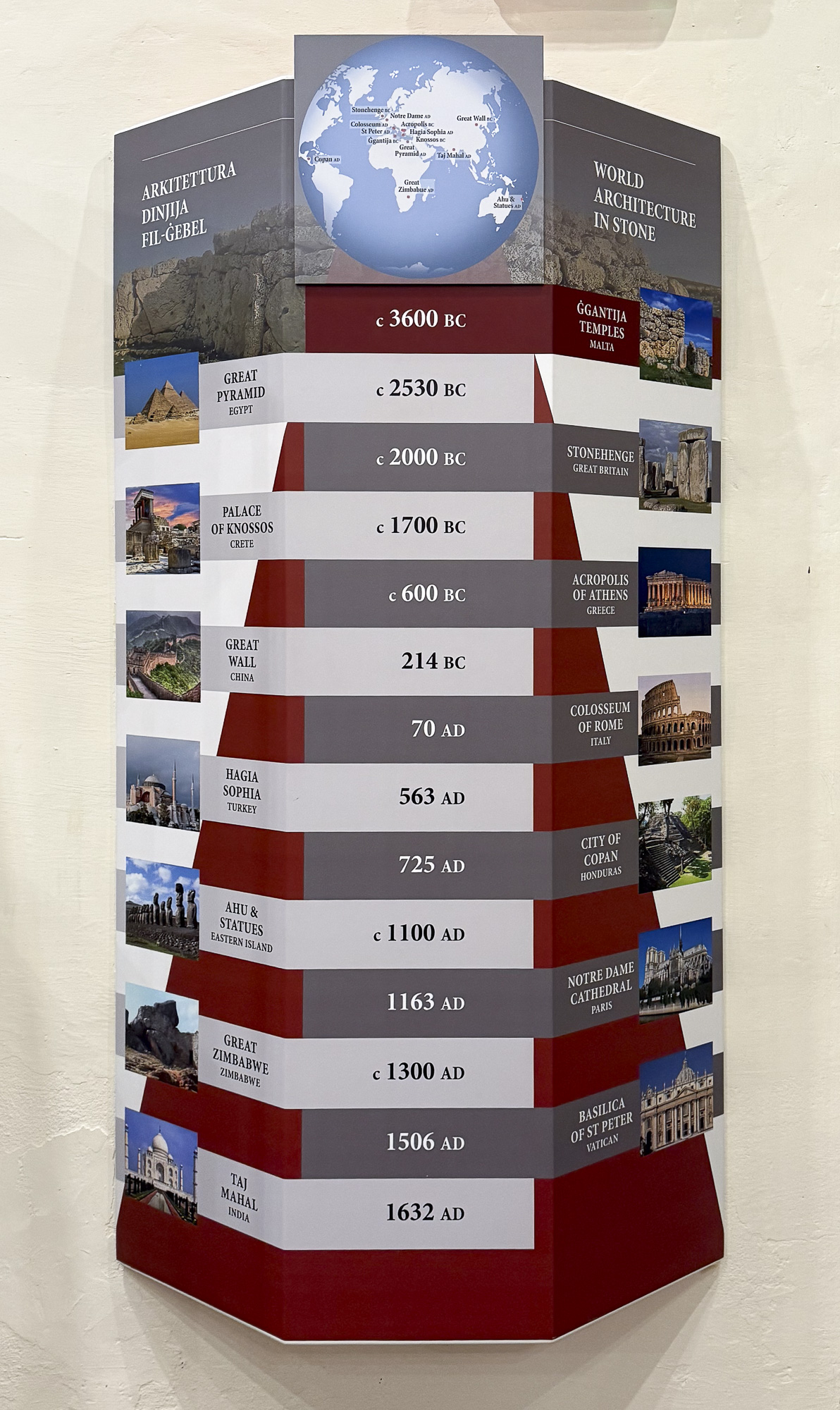
Following our visit to the Cathdral, we visited the National Museum of Archeology. We looked at artefacts from Malta’s Neolithic age, up through the Bronze Age and the Phoenitian period. The one exhibit that really impressed upon me Malta’s history relative to the rest of the world is in this photo.
The Ġgantija Temples we visited the previous day lead the way as the oldest known existing structure.
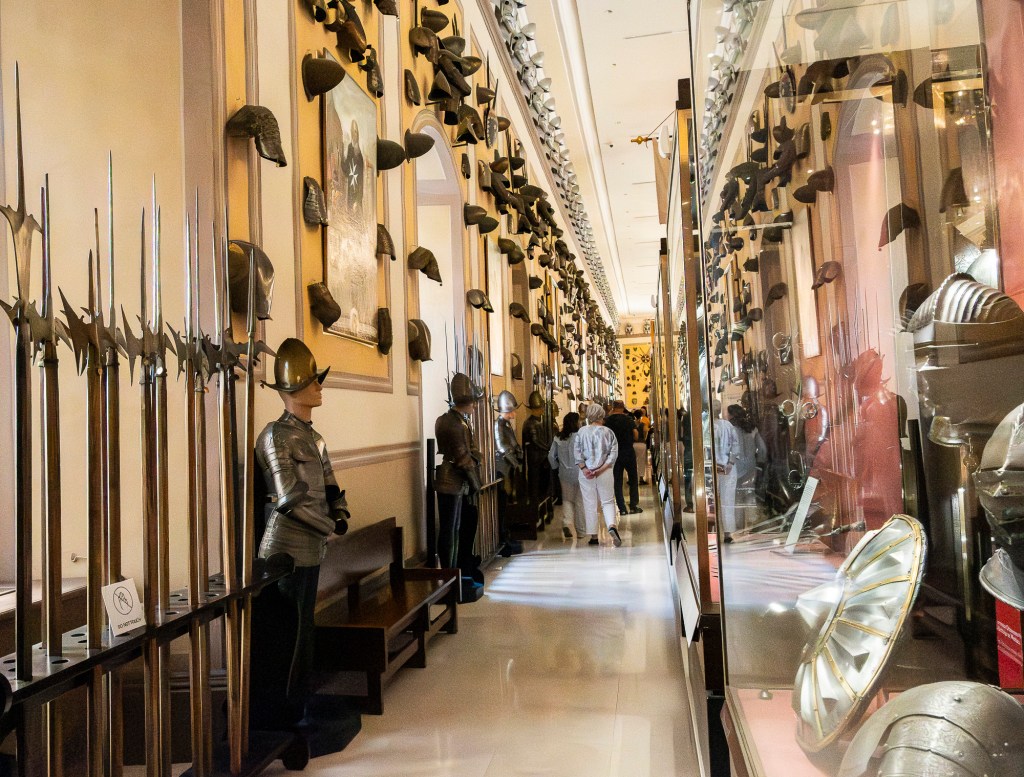
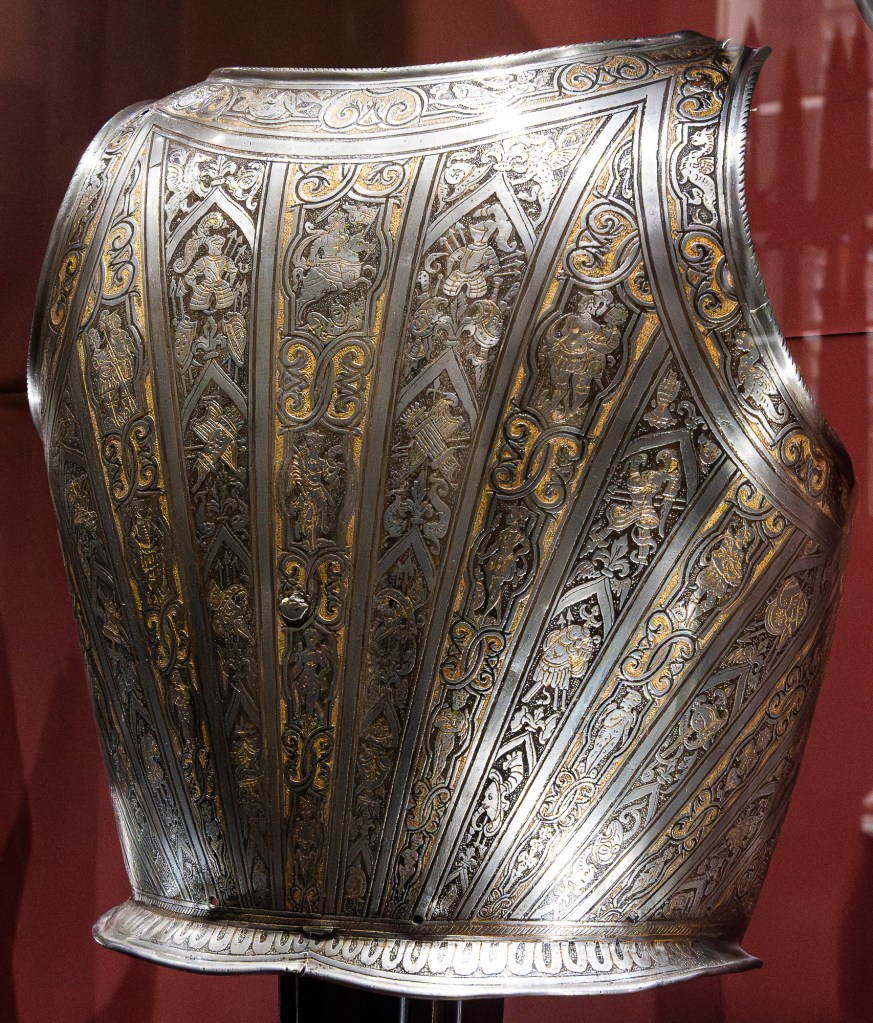
Our next stop was the Grand Master’s Palace, the office of the president of Malta. It was built by the Knights of St. John in the 18th century, the first building in the newly settled Valletta. There is a huge armory, good reminder that the Knights were both religious men and warriors. And a couple of other things too we are discovering. (Next post! 🙂 ) The President’s horse guards were outside the grand Palace when we arrived. I was quite surprised to see the guards allowing tourists to pat the horses. Certainly wouldn’t happen in London!
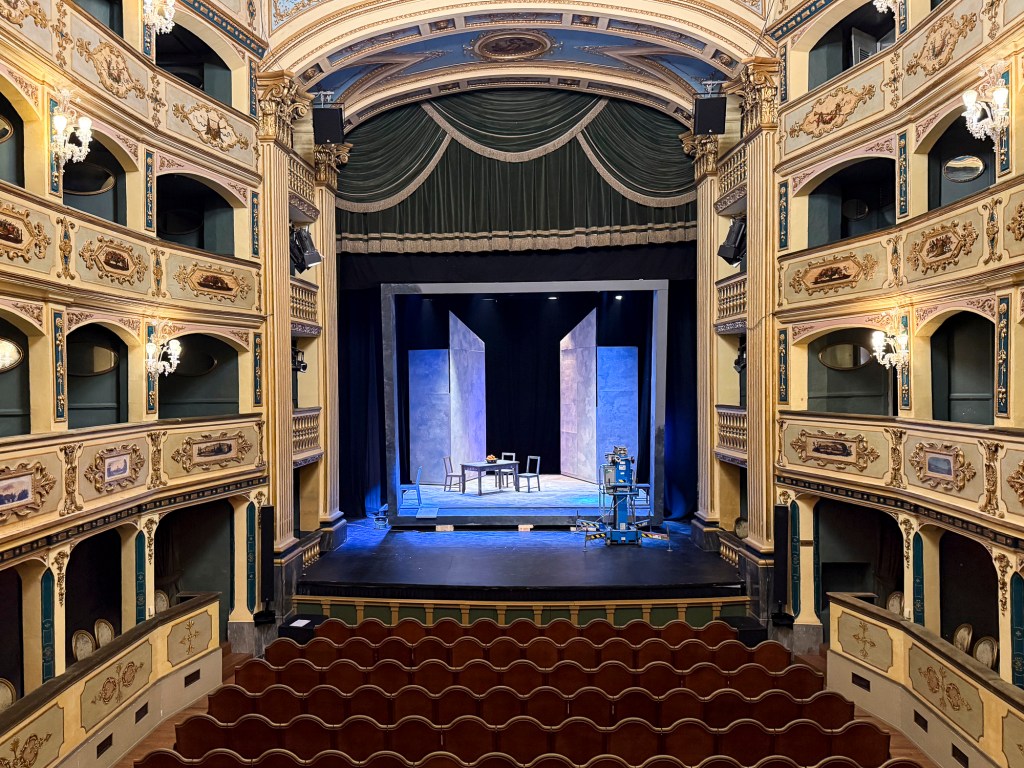
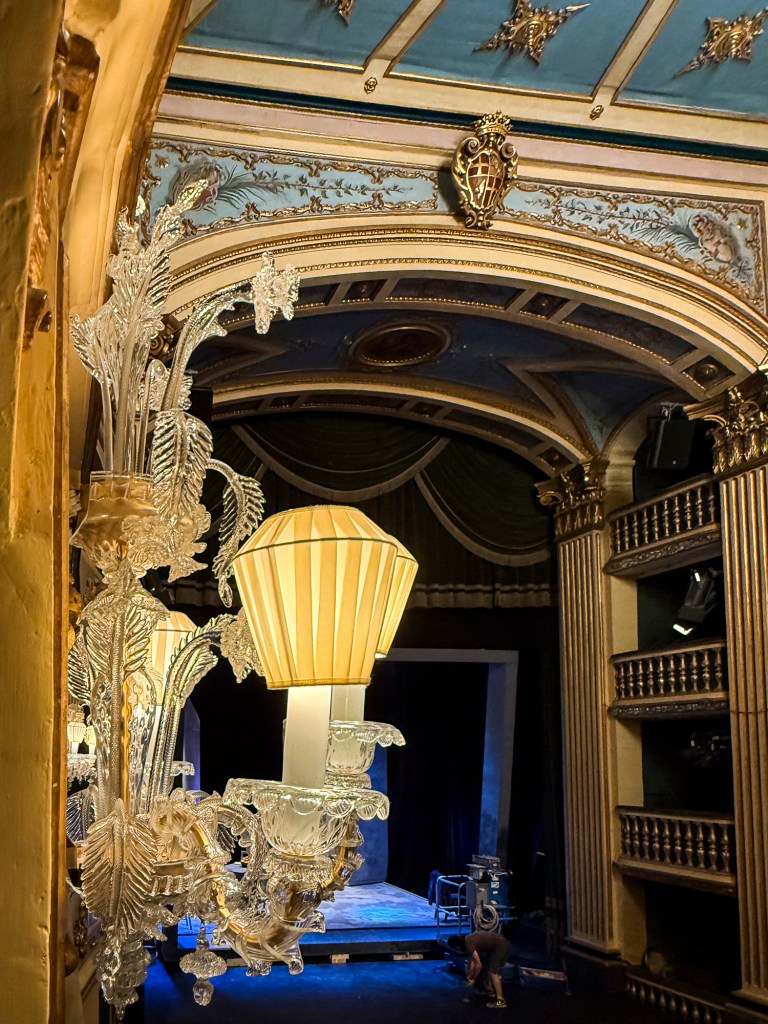
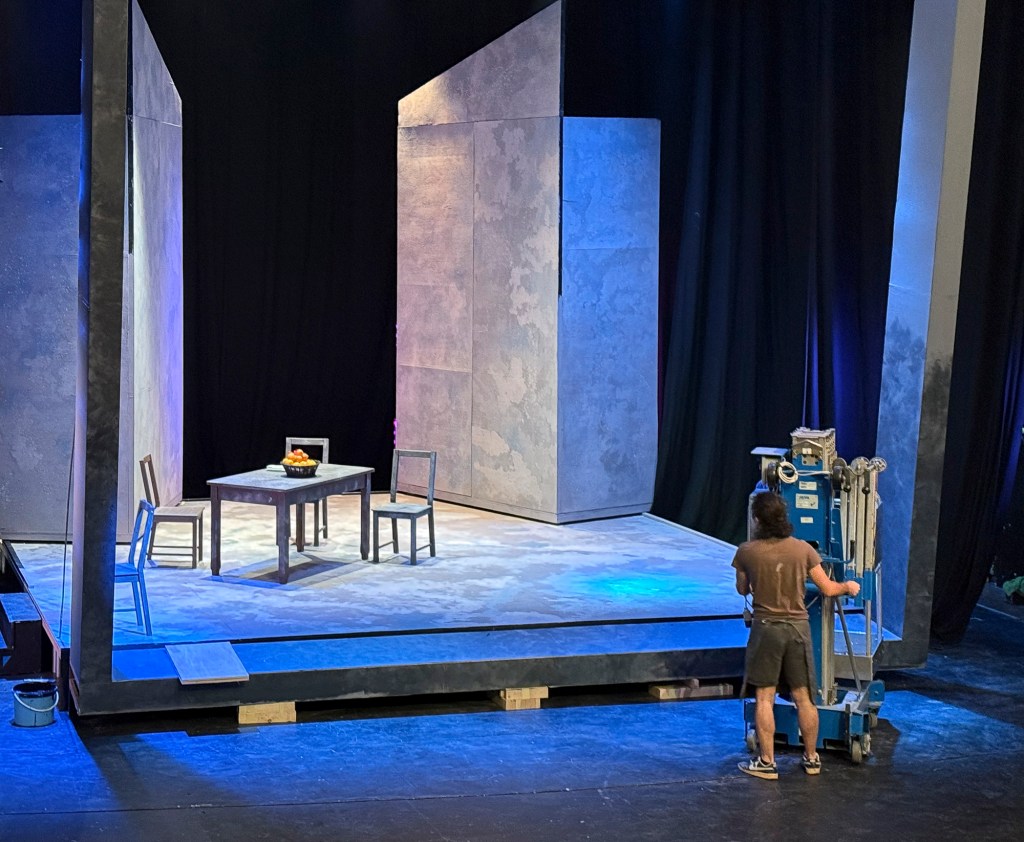
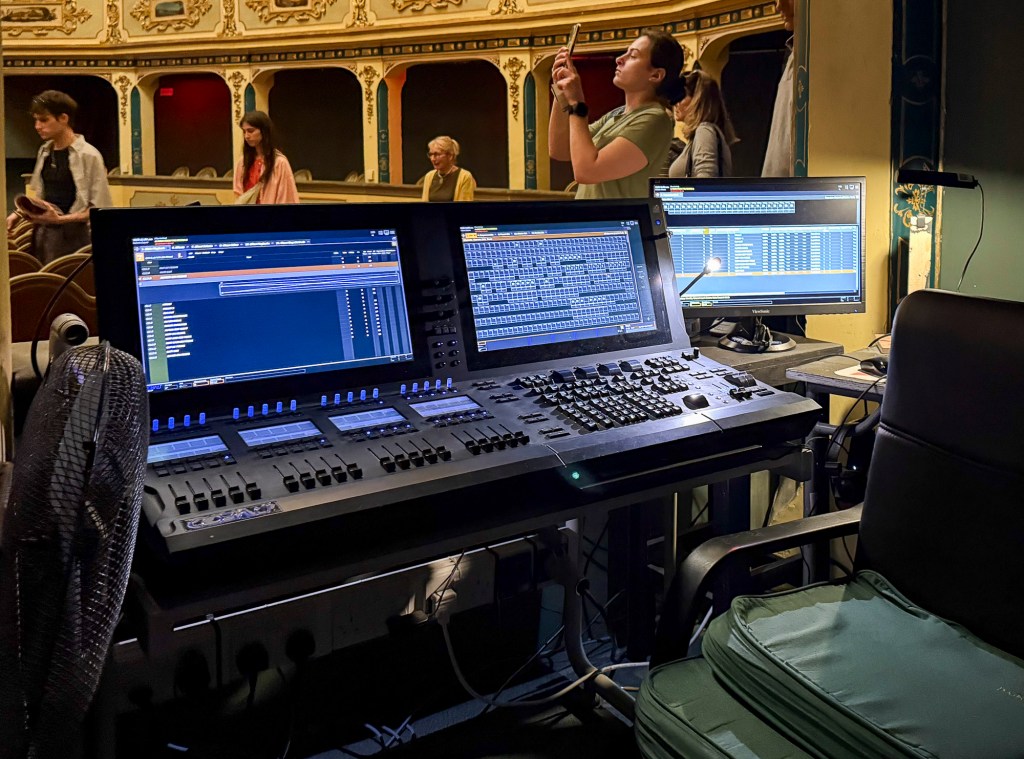
Our final visit of the day was to Teatru Manoel built in 1731. The set up for the stage manager or possibly the lighting/sound operator made me drool. It is so airy, so accessible, so up-to-date. Our guide had suggested we would be given a tour of the green room, and where the props and costumes are kept, but sadly that was not the case.
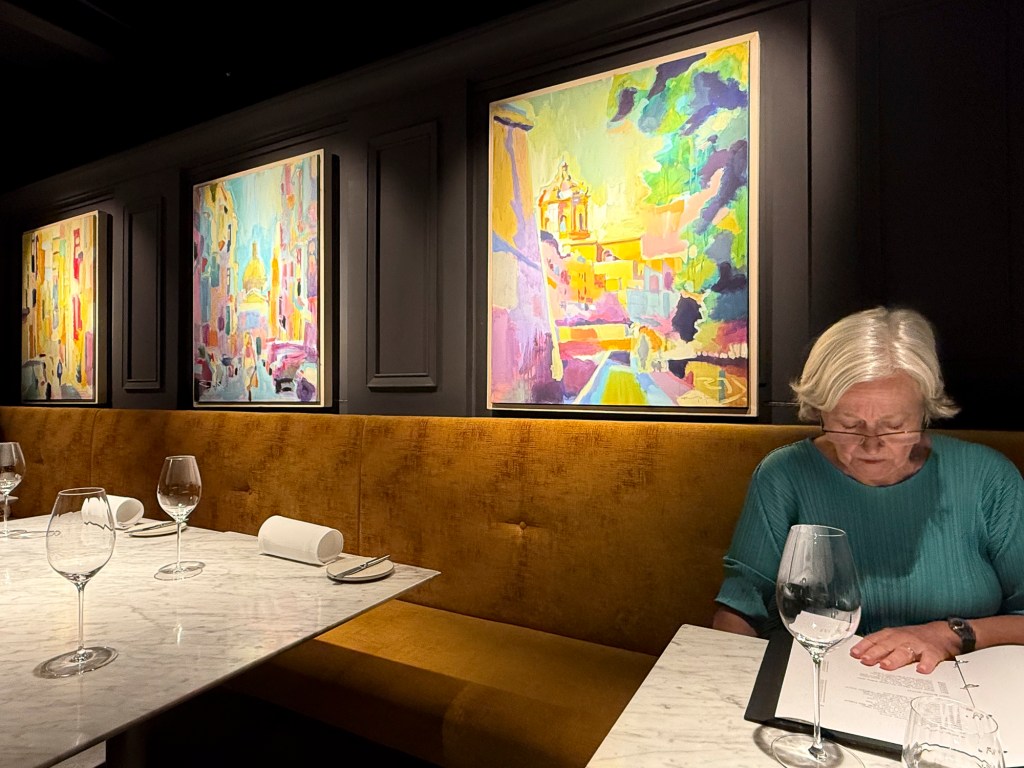
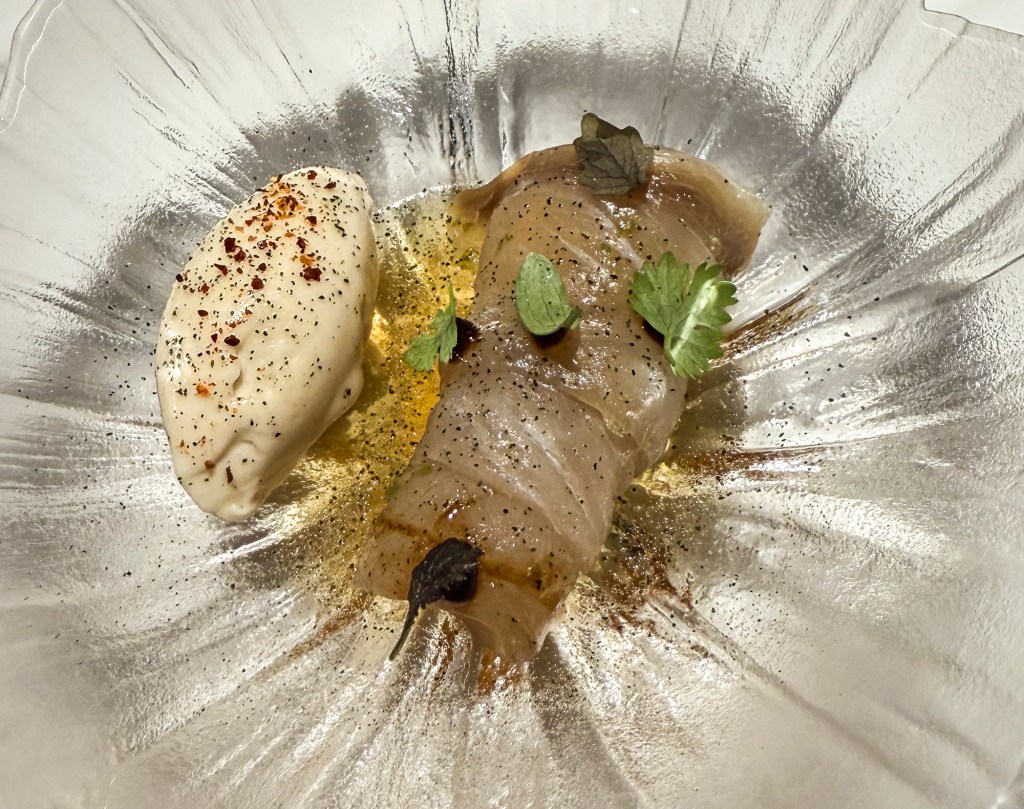
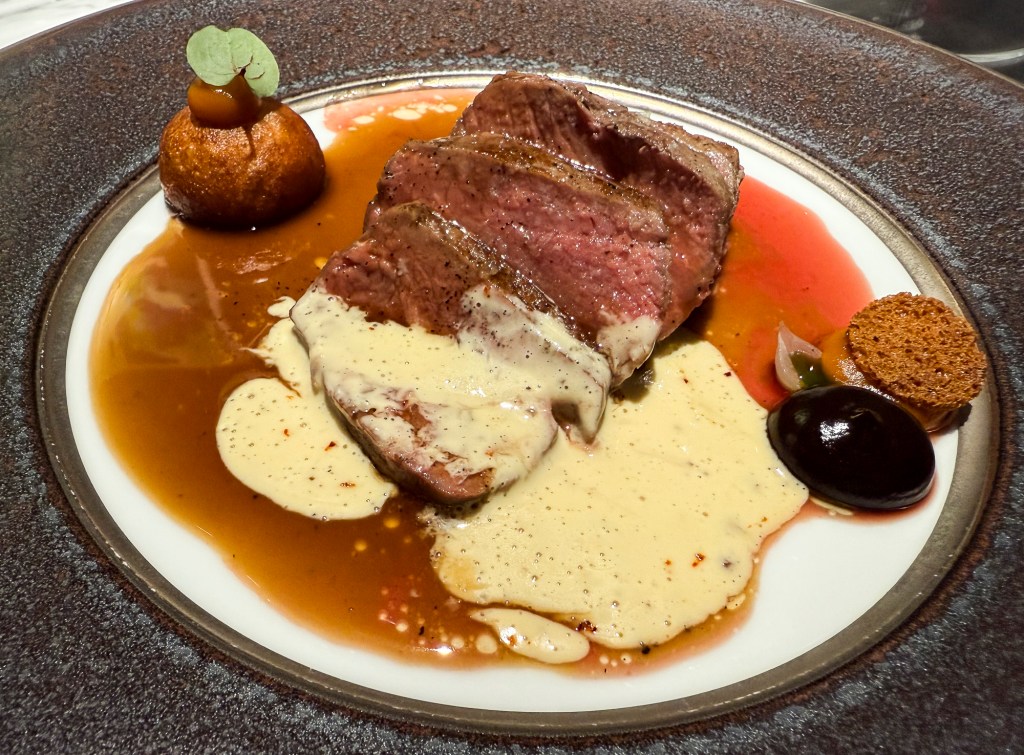
We dined at Risette and once again had a fabulous meal. Shirley had the cured dorado (mahi mahi) with tomato, black shallots and horseradish. I passed on a starter. For mains, Shirley had the seabass while I had the Angus beef. The restaurant is decorated wiith lovely paintings and is charming. We were surprised that not many people were there.
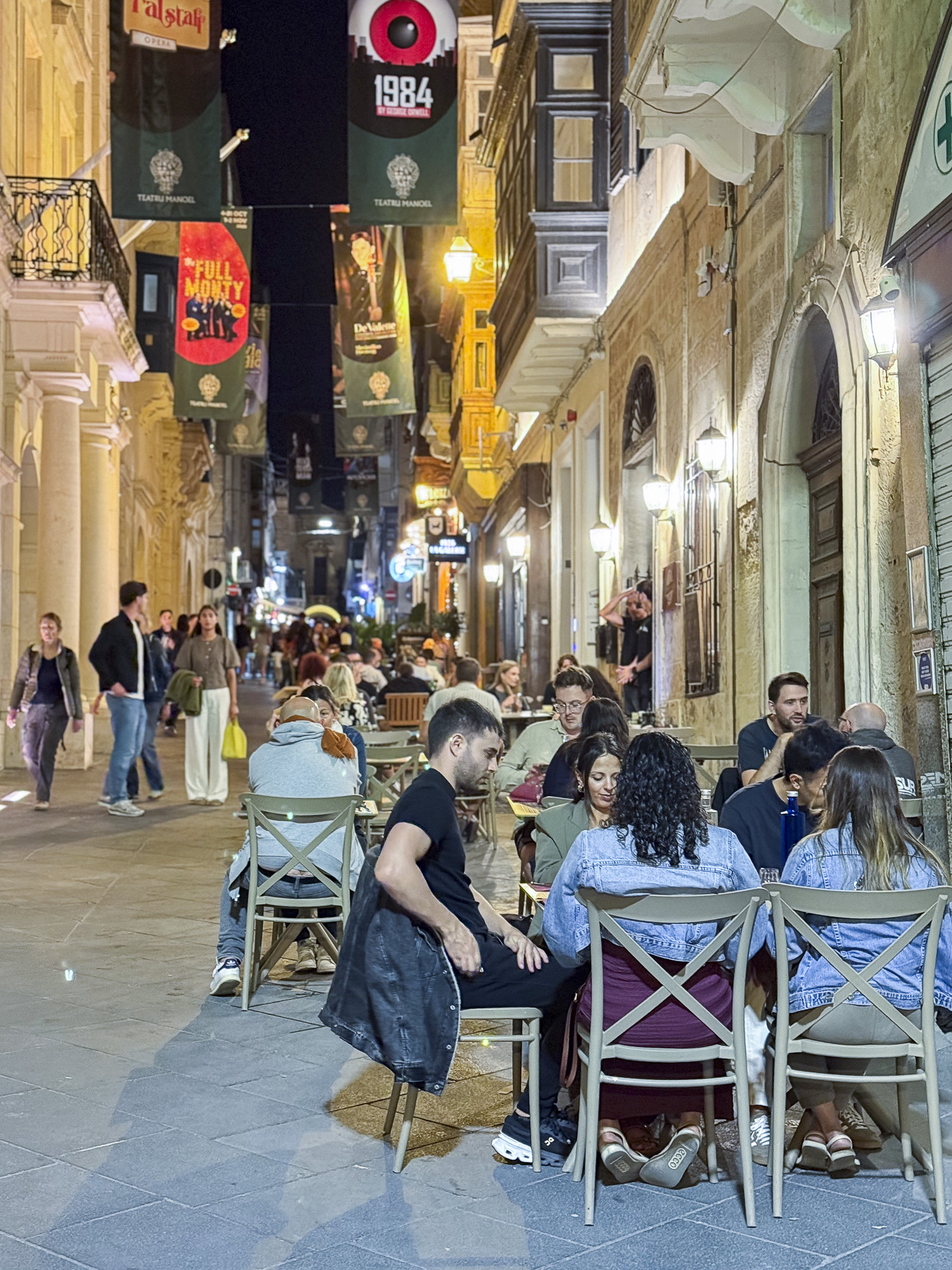
I’m leaving you with one more evening photo of Villetta. Late diners, enjoying the lovely evening.
So long for now. Narawkom għada minn Imdina.


Leave a Reply