On the Move

Kangirsukallak and Digges Island
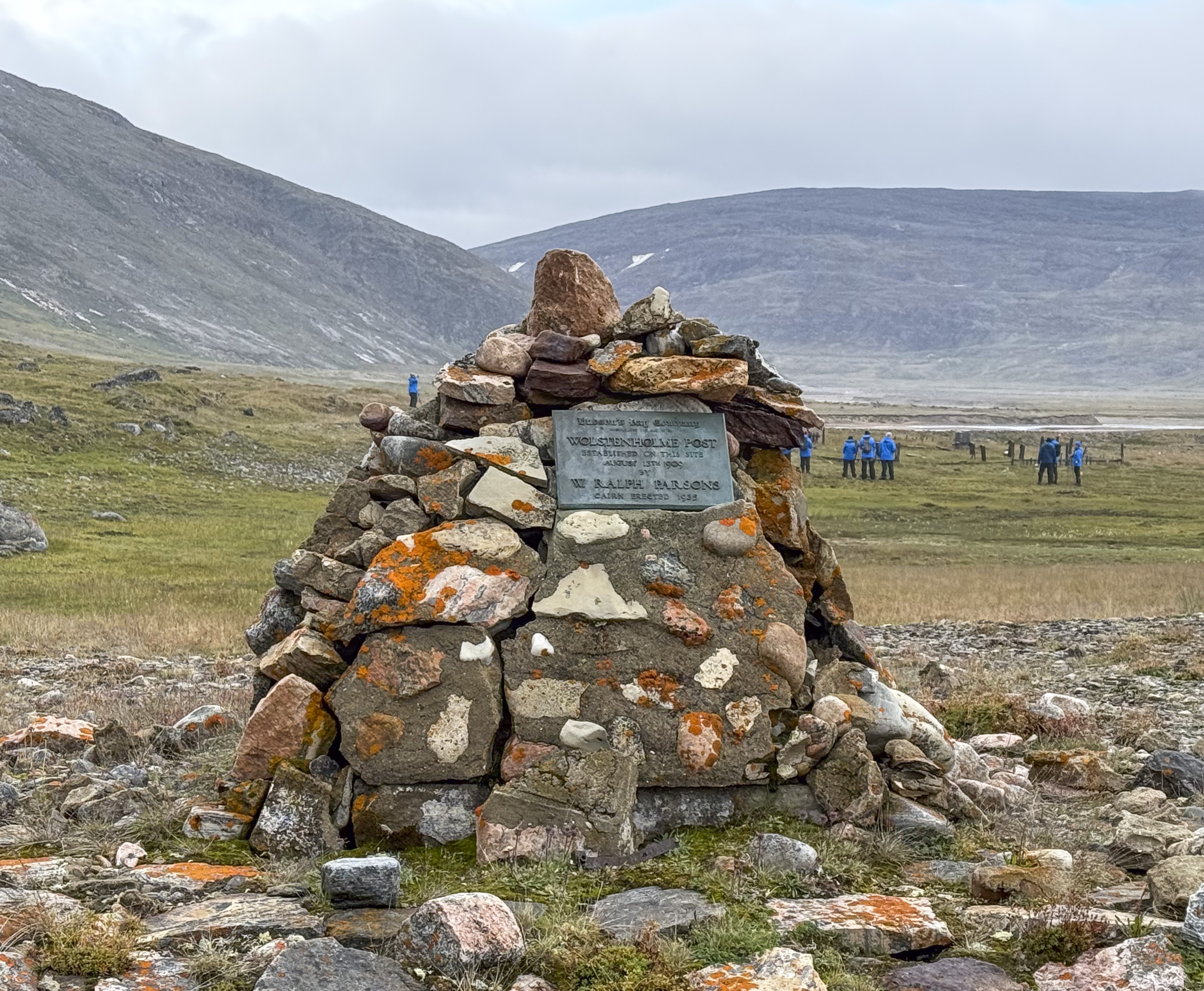
Wolstenholme commemorative cairn

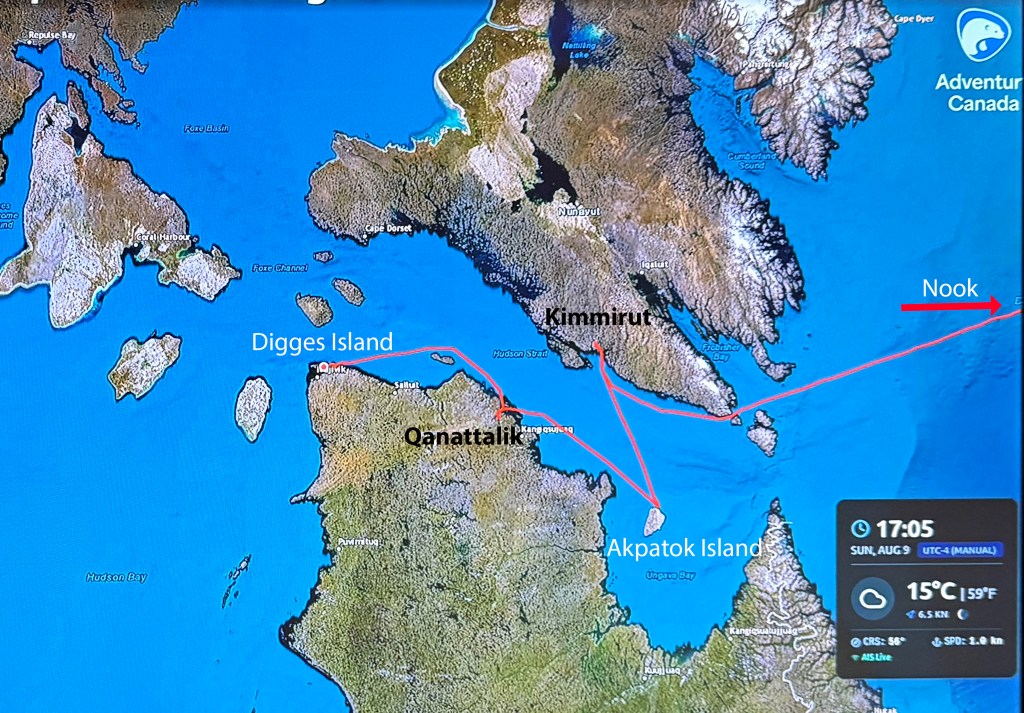
In 1610, Henry Hudson landed at Kangirsukallak in present day Nunavik (see map above). He named the site Cape Wolstenholme after his financial backer. There was some interaction with the Inuit but commercial trade did not begin until 1697. The site was shortly thereafter abandoned until 1909 when the Hudson Bay Company set up a trading post to trade for Arctic fox furs.
This trading post operated successsfully until 1947. The commemerative cairn in the photo above was erected in 1933 by the then trading post manager.

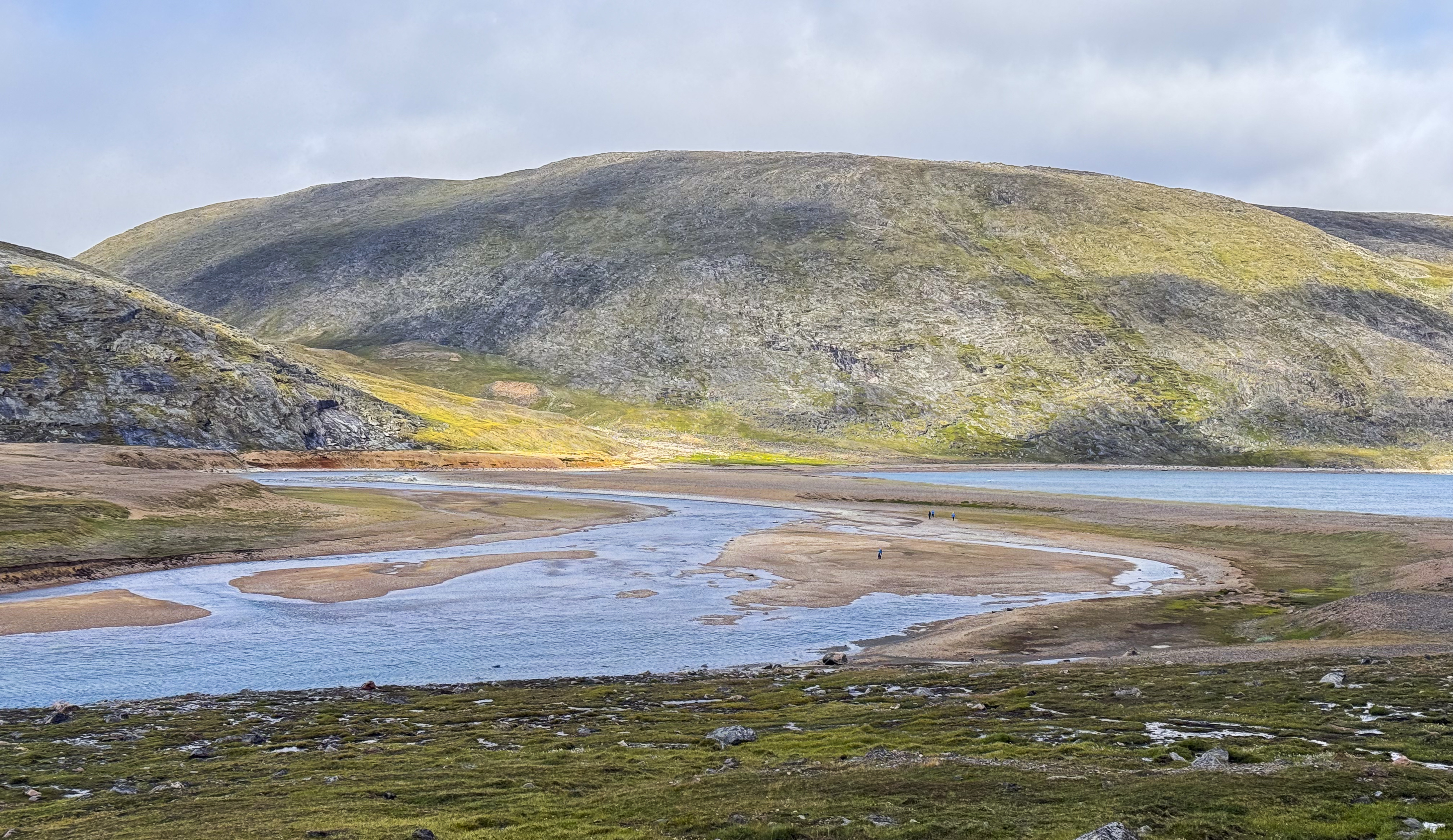
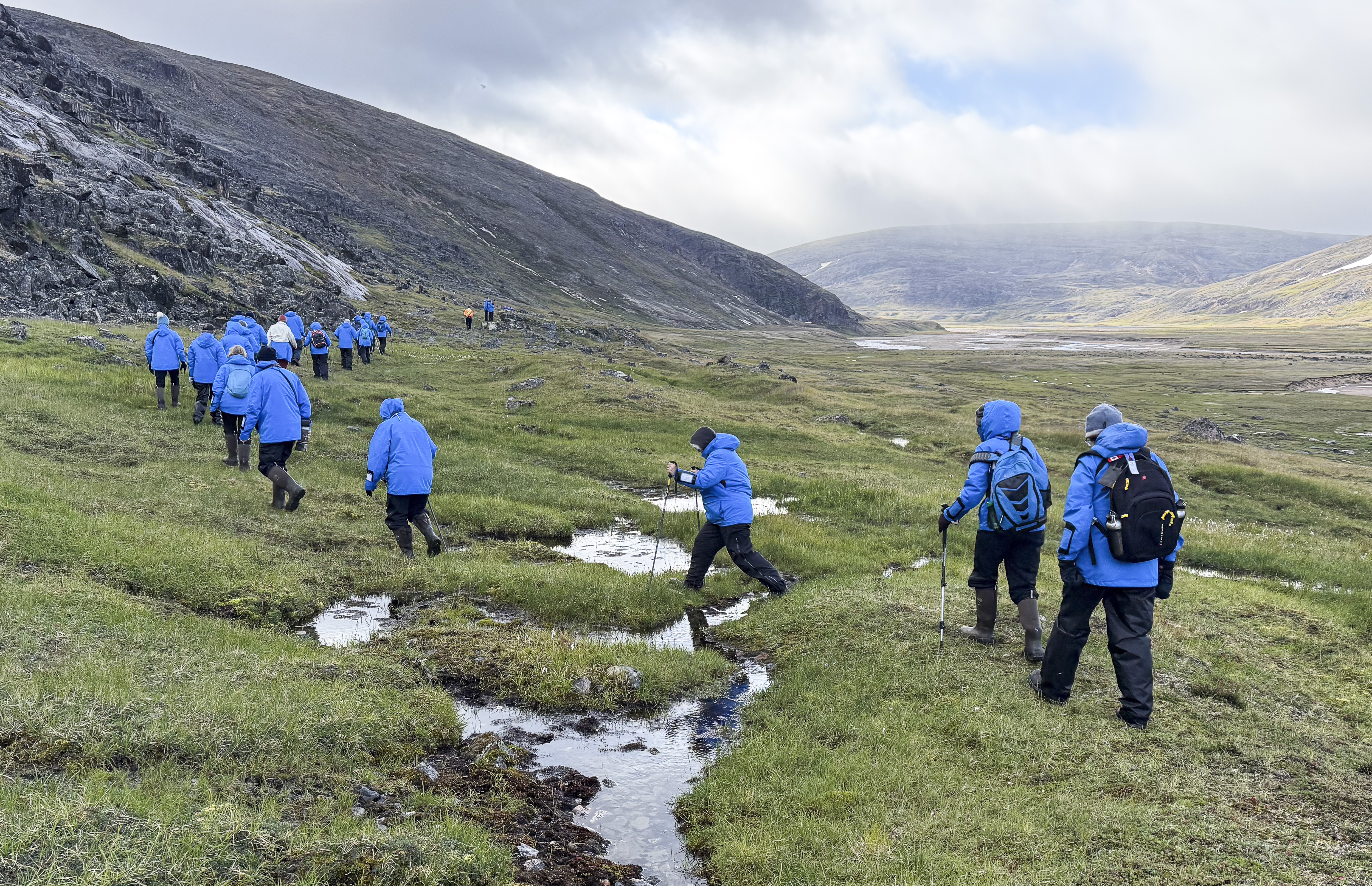
We went ashore for a short hike on the tundra with our bear guards watching out for us. The land varied from rocky to mossy to marshy and back again. Sometimes it felt like walking on soft foam. Once again, the tundra was rich with flora. As for fauna, there was a caribou siting, but I couldn’t see it.
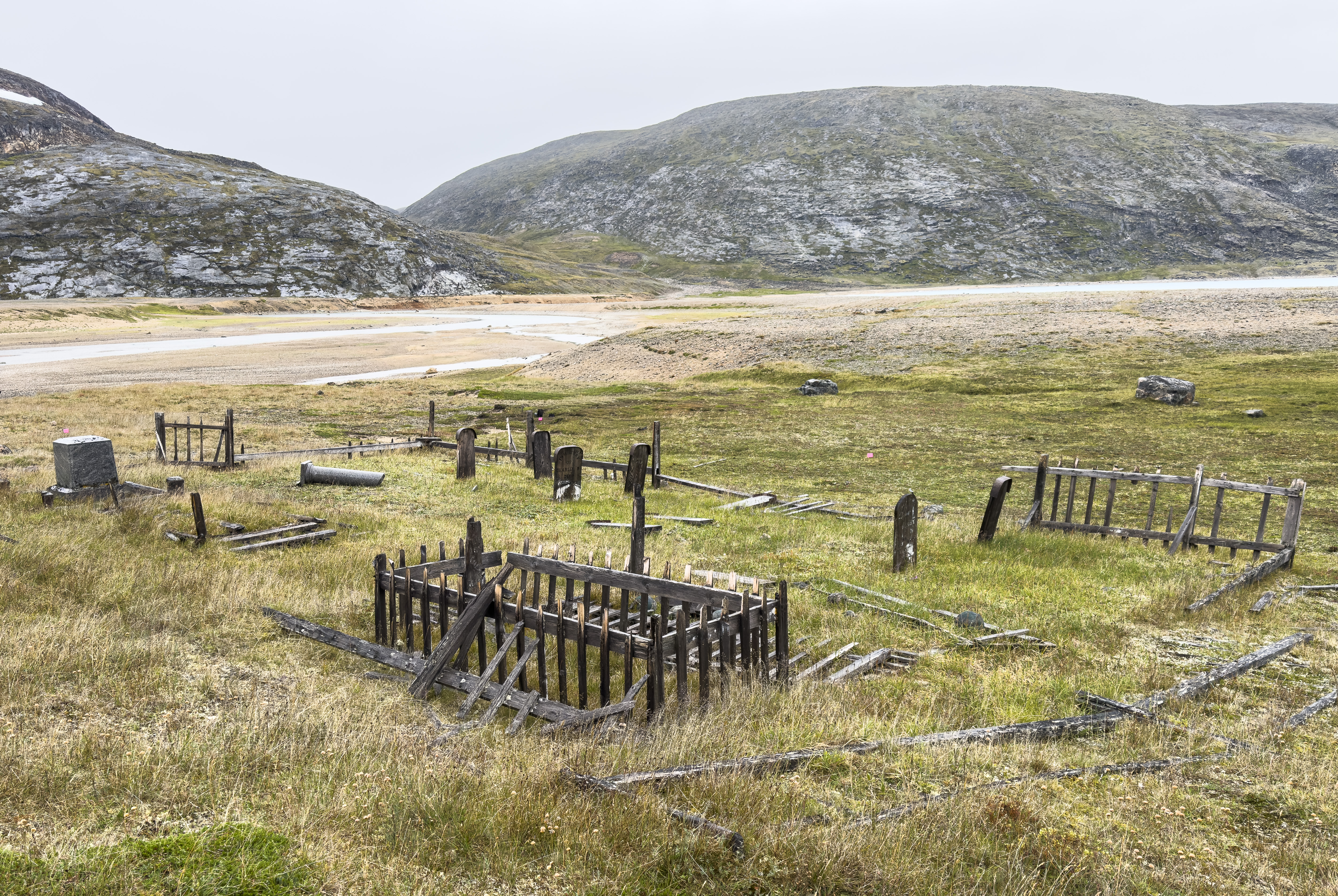
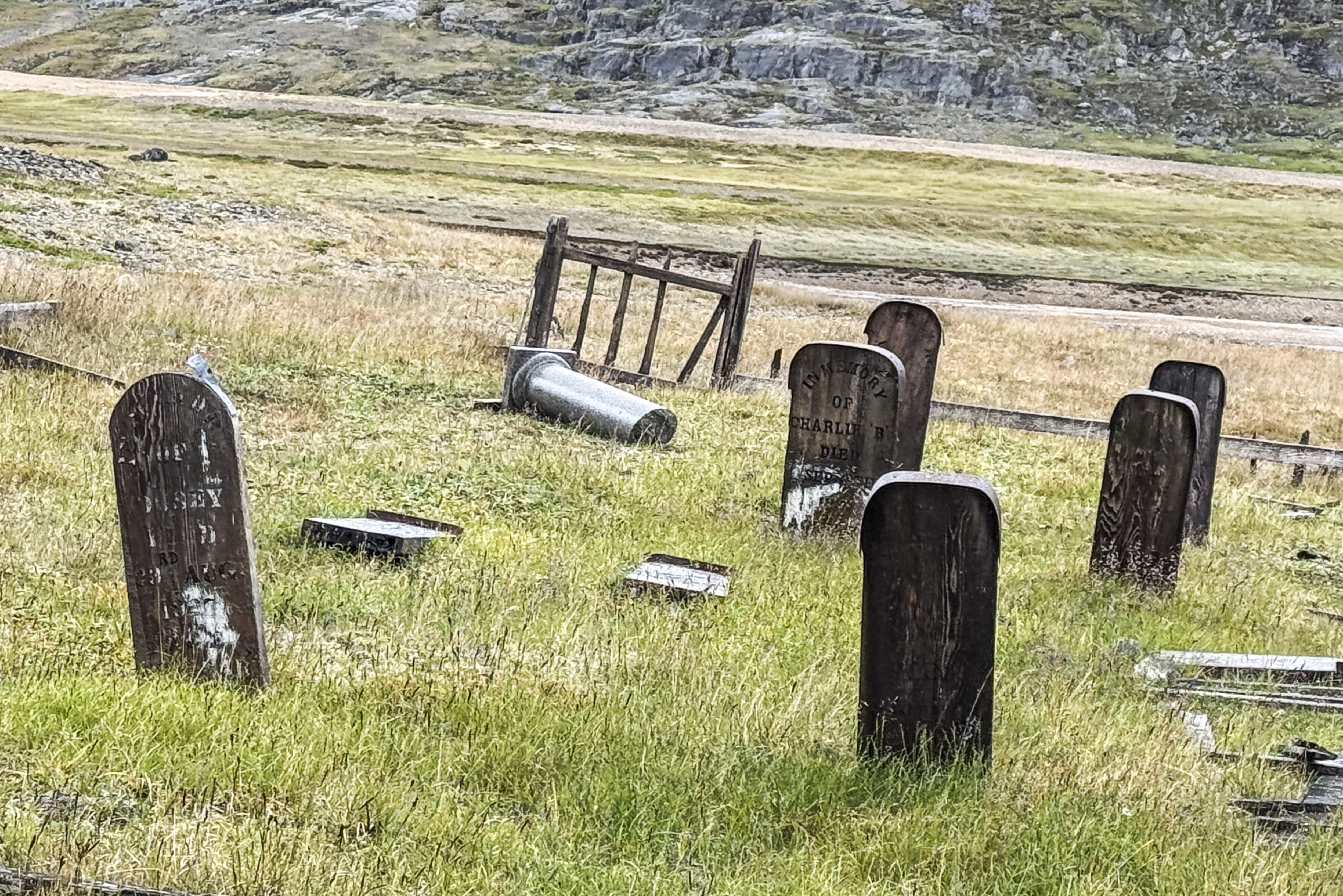
Not far from the landing, we came upon the remains of a cemetary dating back to the post-1909 settlement. We took care to maintain a distance so as not to trample an historical site. You can click on the phtos to see larger versions.
On our hike, we found lots of tiny blueberries that were very tasty and the odd patch of White Arctic Mountain Heather that had gone to seed.
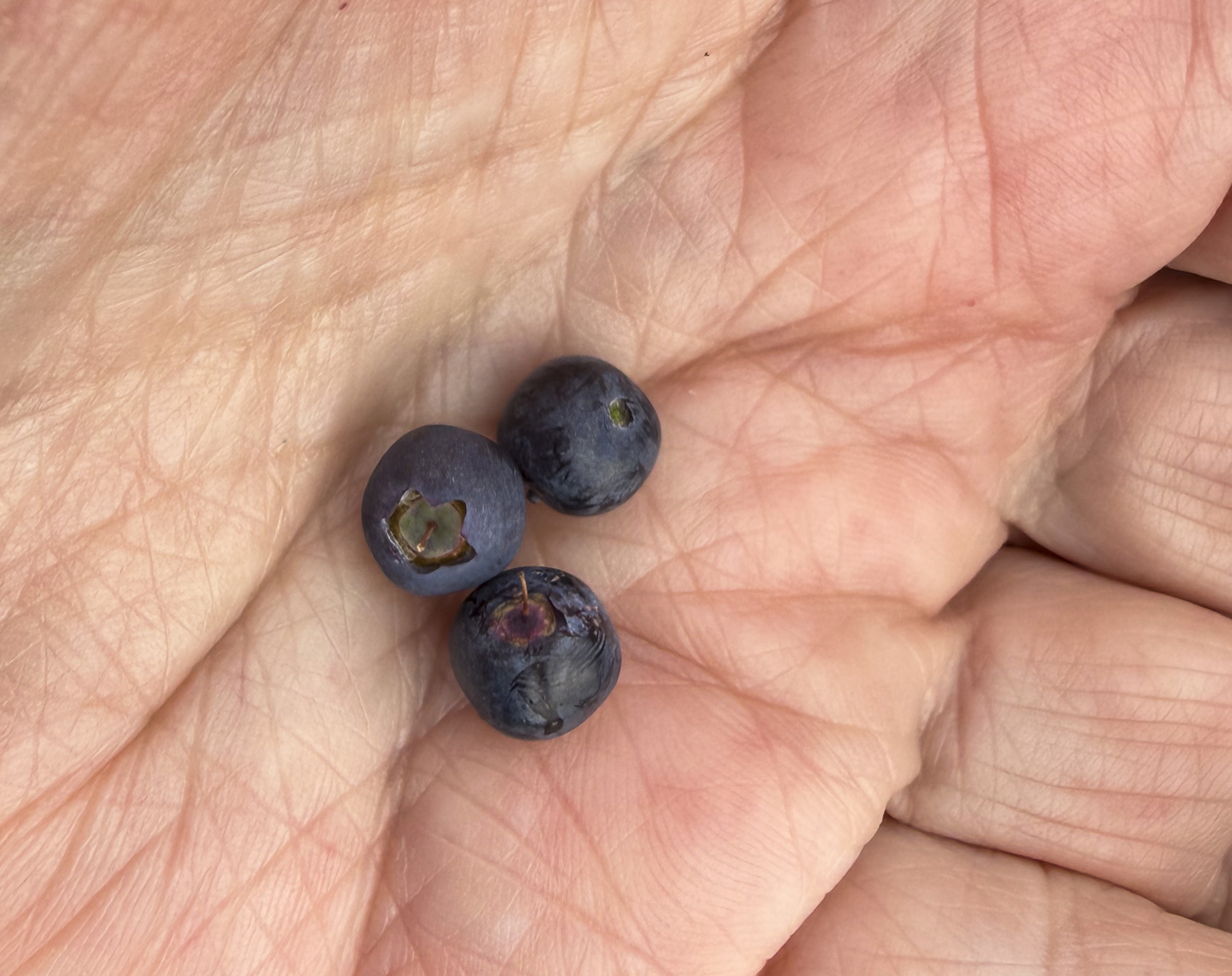
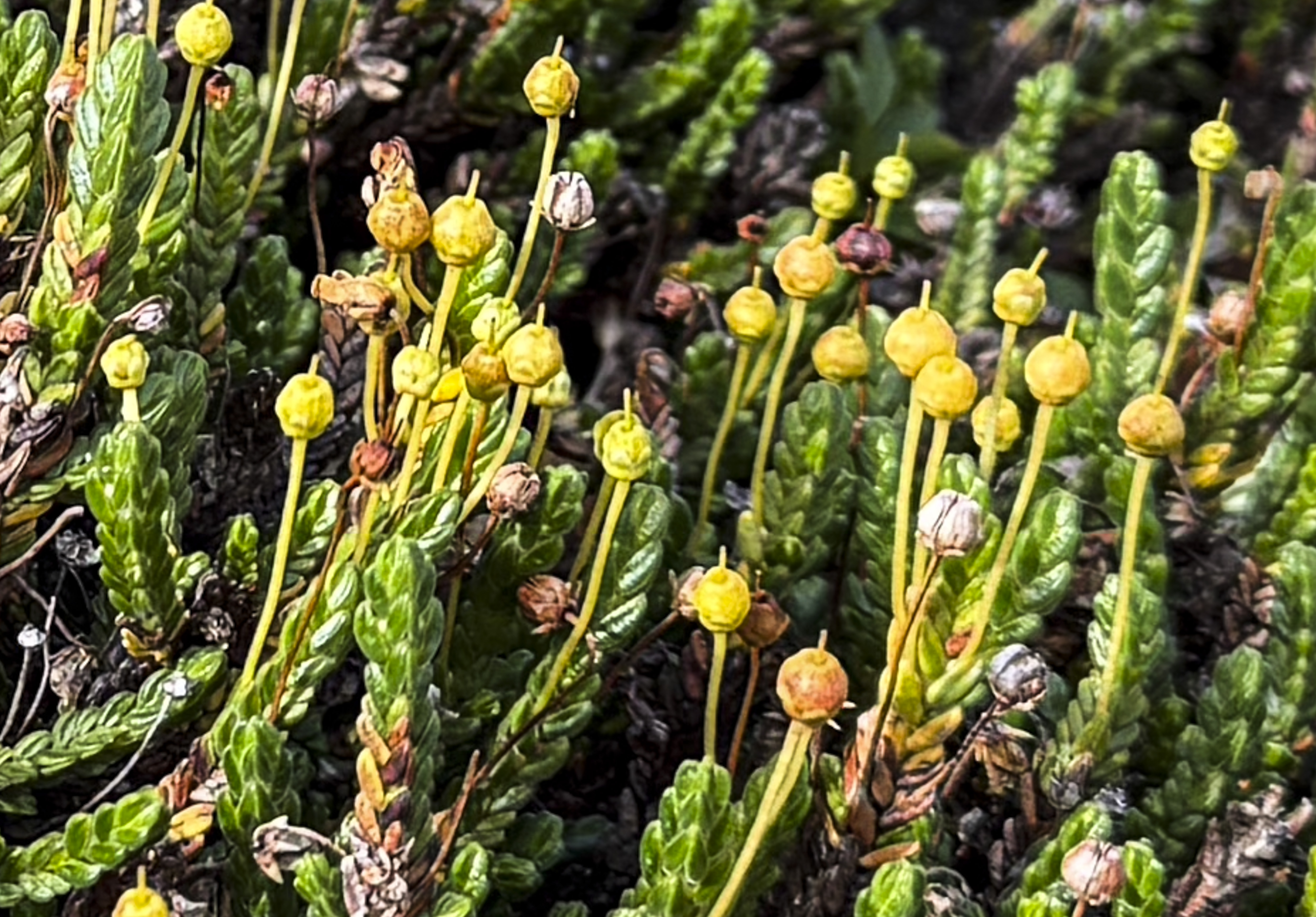
The blueberries grow on the ground frequently surrounded by this parasitic fungus that feeds on blueberry and bearberry plants. If you look closely you can see a blueberry next to the flower. I was disappointed to learn that it is a parasite because it is one of the brighter plants of the tundra.

Over lunch, the ship sailed from Kangirsukallak to Digges Island where we embarked on a zodiac cruise to another thick-billed murre colony. This one looks different because the murres are not inside cracks in the limestone cliff. They are perched on ledges on these rock cliffs, safe from bears but vulnerable to the larger gull who likes murre eggs. Again, if you look closely, you should be able to see the murres lined up. And if you click on the picture, you will get a larger version.

Cliff homes for murres. A bit crowded, but they don’t seem to mimd. Click for a larger version.

Sadly, a few days ago, I dropped my point-and-shoot camera with the telephoto lens and it is now completely knackered. I now have only my iPhone to use for photos and iPhones are not great at distances.

Here’s a short video I put together from still and video files. I copied the audio track from a website as I couldn’t hear the murres with the wind whistling and drowning all other sound.

Tomorrow we are heading to Cape Dorset, a visit I have very much been anticipating. See you then!

6 responses to “Kangirsukallak and Digges Island”

  1.  Avatar
    Anonymous

    So much to see! I’m sorry about your camera!

    Love Tracey

    Like

    1. nancywcaldwell Avatar

      It was an old camera and had its shortcomings. Now I have one less thing to carry around! 🤪

      Like

  2.  Avatar
    Anonymous

    I’m happy to be along for the ride! Do you get to keep the cool jackets?

    (Dianne Armer)

    Liked by 1 person

    1. nancywcaldwell Avatar

      I’m so glad you are along for the ride! Yes, we get to keep the cool jackets. I have become quite attached to mine. You may well see it in Vermont. And Chile. And Laikipia!!😋

      Like

  3. helenhesse Avatar
    helenhesse

    Sad about the camera. Can it be repaired? Good you still have your trusty phone. 😊 please keep the photos coming.

    Like

    1. nancywcaldwell Avatar

      Thanks Helen. It was an old camera and I suspect it would cost more to repair it than to purchase another. My bad for not bringing my regular camera. Lesson learned!

      Liked by 1 person

Leave a Reply

Wolstenholme commemorative cairn

In 1610, Henry Hudson landed at Kangirsukallak in present day Nunavik (see map above). He named the site Cape Wolstenholme after his financial backer. There was some interaction with the Inuit but commercial trade did not begin until 1697. The site was shortly thereafter abandoned until 1909 when the Hudson Bay Company set up a trading post to trade for Arctic fox furs.

This trading post operated successsfully until 1947. The commemerative cairn in the photo above was erected in 1933 by the then trading post manager.

We went ashore for a short hike on the tundra with our bear guards watching out for us. The land varied from rocky to mossy to marshy and back again. Sometimes it felt like walking on soft foam. Once again, the tundra was rich with flora. As for fauna, there was a caribou siting, but I couldn’t see it.

Not far from the landing, we came upon the remains of a cemetary dating back to the post-1909 settlement. We took care to maintain a distance so as not to trample an historical site. You can click on the phtos to see larger versions.

On our hike, we found lots of tiny blueberries that were very tasty and the odd patch of White Arctic Mountain Heather that had gone to seed.
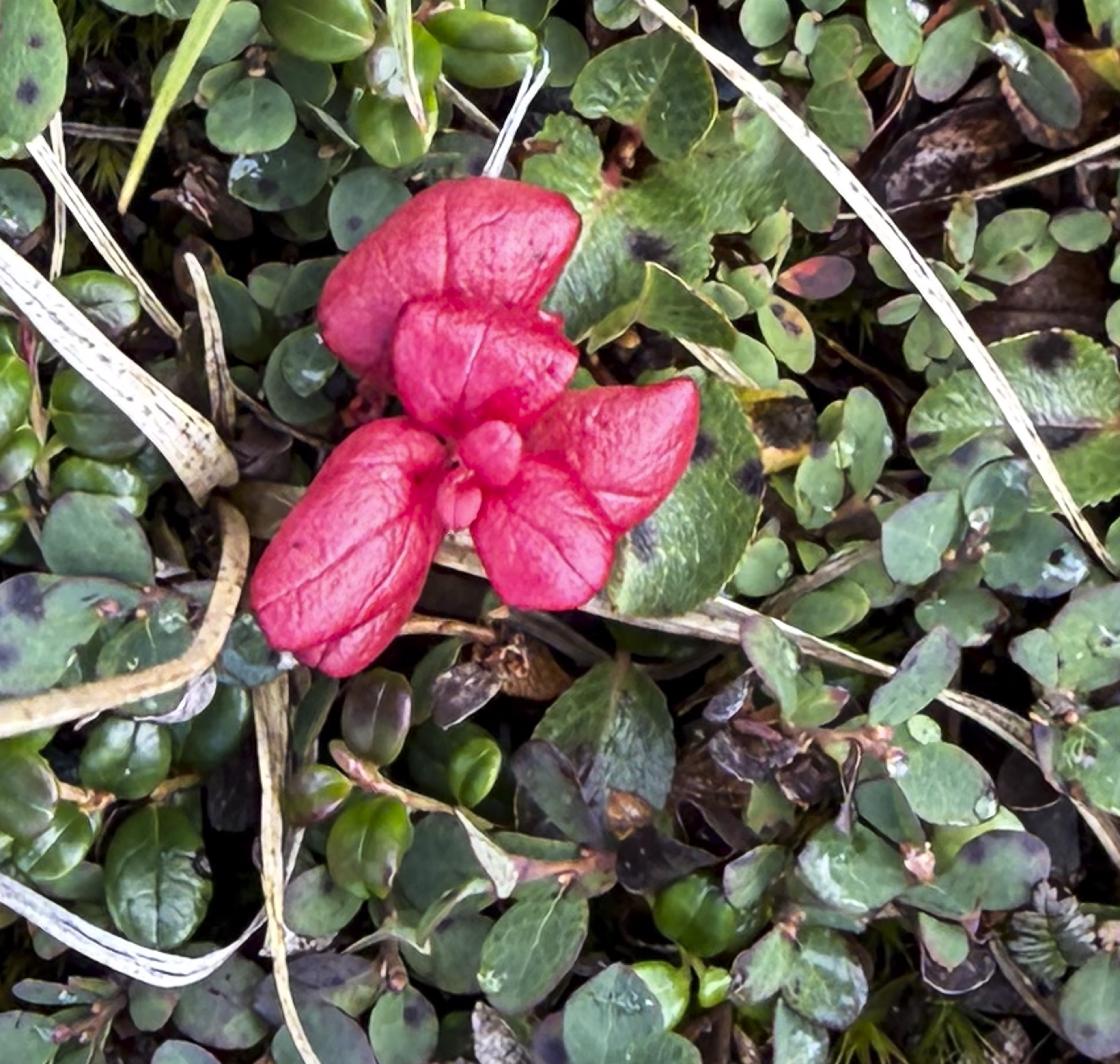
The blueberries grow on the ground frequently surrounded by this parasitic fungus that feeds on blueberry and bearberry plants. If you look closely you can see a blueberry next to the flower. I was disappointed to learn that it is a parasite because it is one of the brighter plants of the tundra.

Over lunch, the ship sailed from Kangirsukallak to Digges Island where we embarked on a zodiac cruise to another thick-billed murre colony. This one looks different because the murres are not inside cracks in the limestone cliff. They are perched on ledges on these rock cliffs, safe from bears but vulnerable to the larger gull who likes murre eggs. Again, if you look closely, you should be able to see the murres lined up. And if you click on the picture, you will get a larger version.
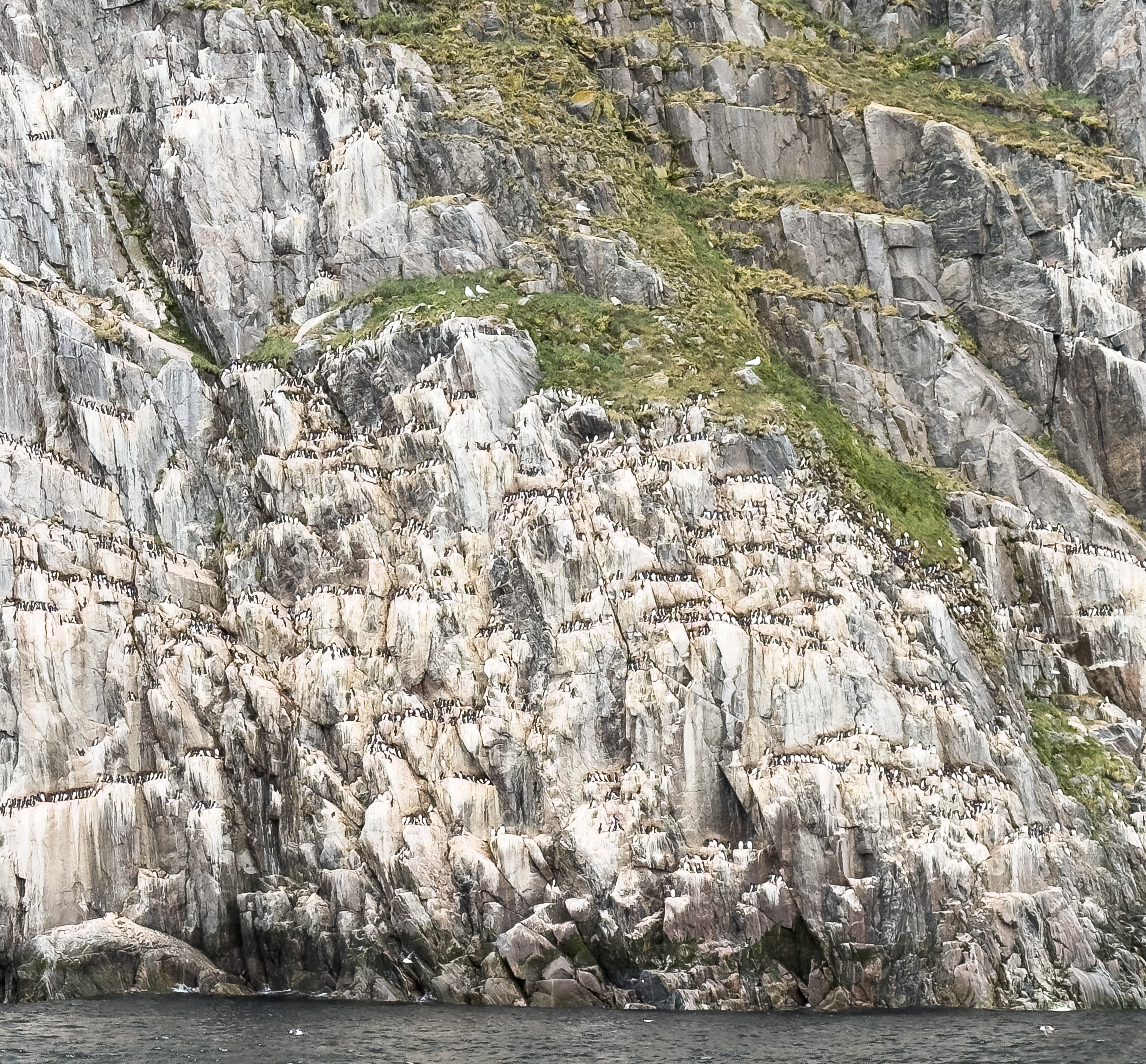
Cliff homes for murres. A bit crowded, but they don’t seem to mimd. Click for a larger version.

Sadly, a few days ago, I dropped my point-and-shoot camera with the telephoto lens and it is now completely knackered. I now have only my iPhone to use for photos and iPhones are not great at distances.

Here’s a short video I put together from still and video files. I copied the audio track from a website as I couldn’t hear the murres with the wind whistling and drowning all other sound.

Tomorrow we are heading to Cape Dorset, a visit I have very much been anticipating. See you then!