
Our lecture this morning on the political/economic situation in the Greater Mekong Sub-region (GMS – Thailand, Laos, Cambodia, Vietnam, Myanmar and two southern Chinese provinces) is an excellent example of why Road Scholar tours are well worth taking – they are interesting, pleasant and educational. Tony Zola came to Thailand in the 1970s as a Peace Corps volunteer and subsequently settled here. Though officially retired, through his consulting firm he continues to work in Laos on the “social side” of hydroelectric power projects on behalf of the mostly European banks that are financing them. His job is to stay in touch with the locals to ensure that their way of life is not being unduly impacted by the project, and if it is that their new needs are being met.
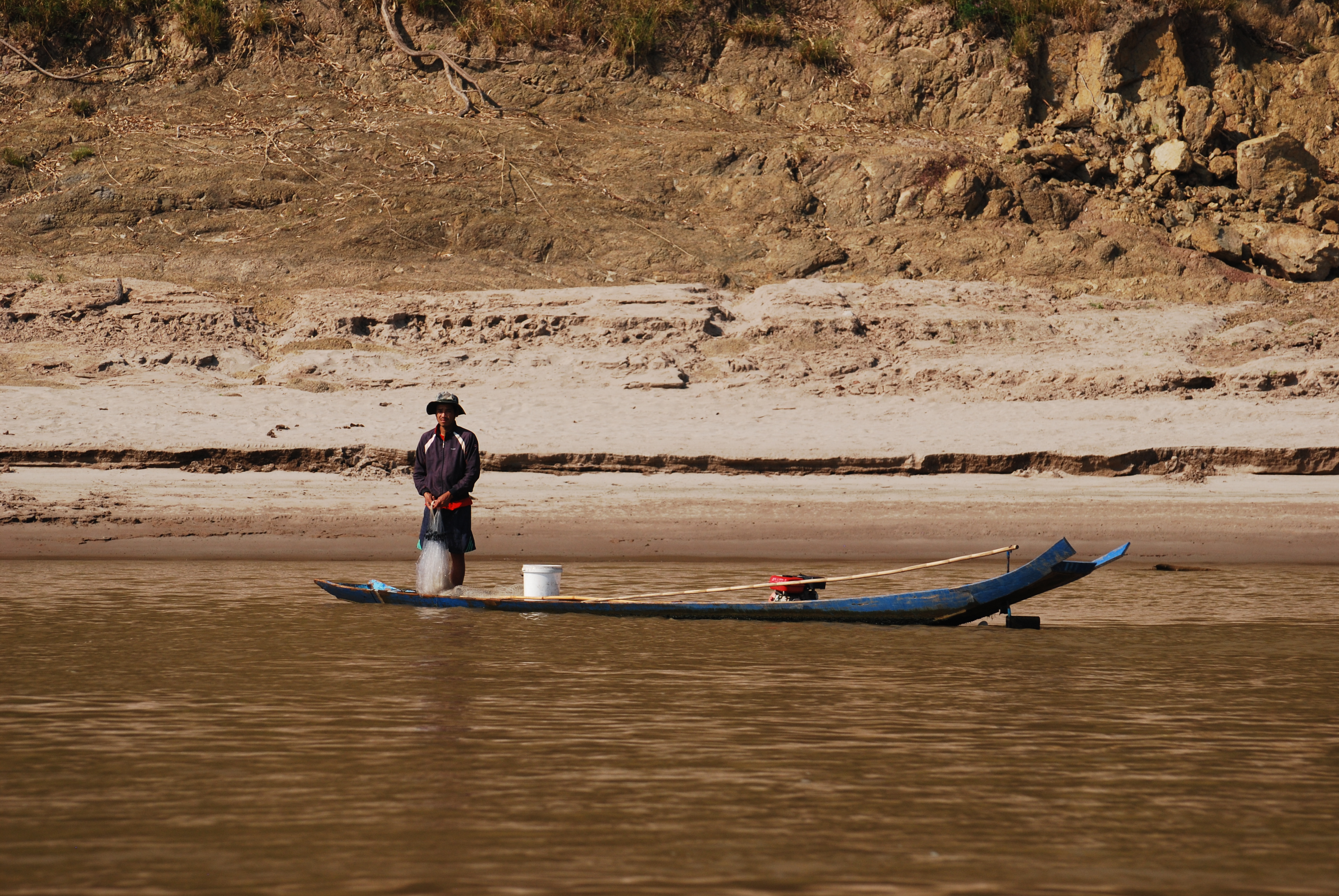
Tony has been an astute follower of the economic and political situation in Southeast Asia for decades. He showed us where the economic and environmental hotspots in the GMS are, and noted that 60 million people depend for their livelihoods on the Lower (southern) Mekong River. Currently there are three dams on the Upper Mekong but the electricity-hungry Laos, Thais and Chinese have plans to build perhaps another ten to the south. The dams on the Upper Mekong have not greatly affected the Lower Mekong because of the large number of tributaries south of the existing dams. No one seems to recognize, however, or perhaps they don’t care, that these proposed dams will have major consequences for a large part of those 60 million Thai, Lao and Cambodian people.
An associated problem arising from the proposal for additional dams is that if Western banks won’t finance their construction, China stands eager to do so. And when China builds a project in a foreign country – at least in foreign Southeast Asian countries – she moves in and creates Chinese enclaves subject to Chinese law using Chinese labour and does not worry about environmental and social degradation in the host country. The host countries do not benefit until the electricity finally flows and this is only after they have paid dearly for the Chinese financing. Tony noted that this is not widely known as China doesn’t advertise it, and the host countries won’t in case they jeopardize possible funding.
The US position on China in Southeast Asia is one of containment. The Thais would like a larger US presence because it is largely benign: the US brings economic development money and access to better education for young people. And a larger US presence would also act as a credible threat to Chinese empire-building. This discussion was only a part of the overall lecture about the economy of Southeast Asia that left us depressed and somewhat worried, but certainly better informed.
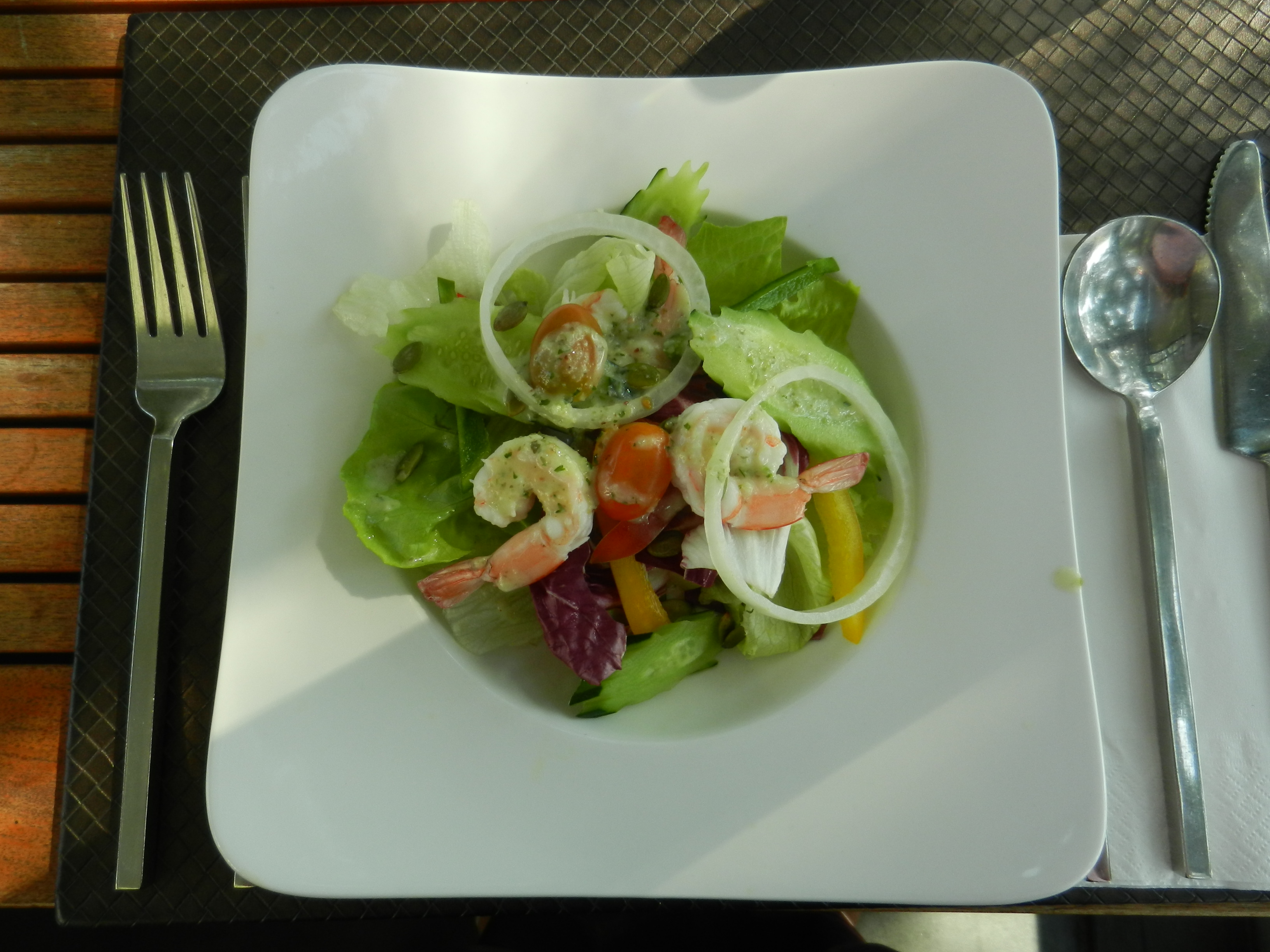
We have now left Bangkok and flown on Bangkok Airways to Chiang Mai where we will stay for three nights. Lunch was in a riverside restaurant: prawn salad to start, then onion soup, then grilled salmon with mashed potatoes and steamed vegetables, followed by a custardy thing for dessert, all to Western songs by the likes of Abba and Barbra Streisand and Billy Joel. It came as a shock to the system! What happened to our Thai experience? I’m sure dinner this evening will put us to right again.


Leave a Reply