
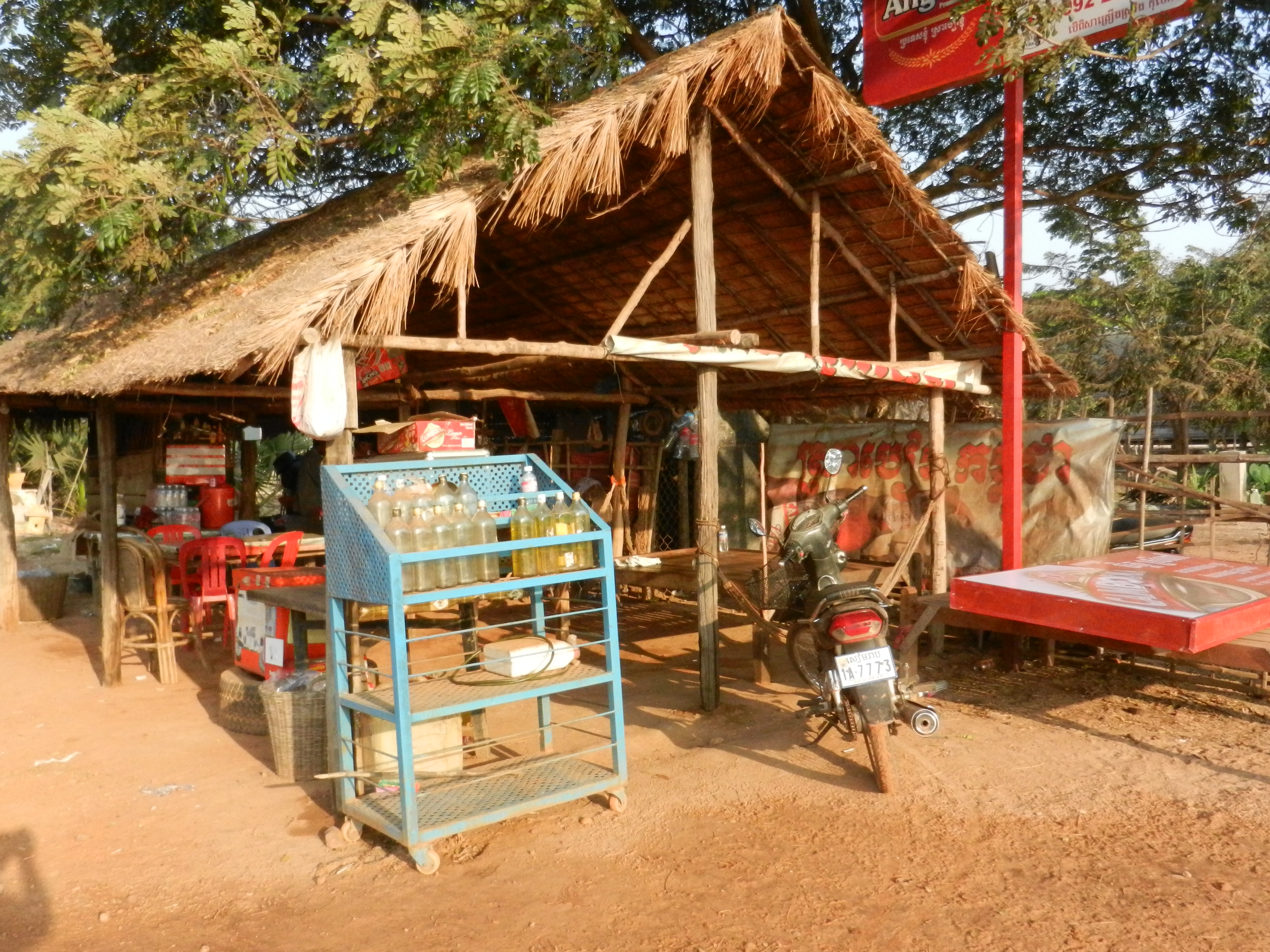
Our last day in Cambodia has been the highlight of this tour for me and for many of my colleagues.
We left the hotel at 7 am and drove for about 45 minutes to Tonle (pronounced Ton-lee) Sap, “Great Ocean Lake.” In the dry season – now – the Tonle Sap drains into the Mekong River and eventually into the South China Sea.
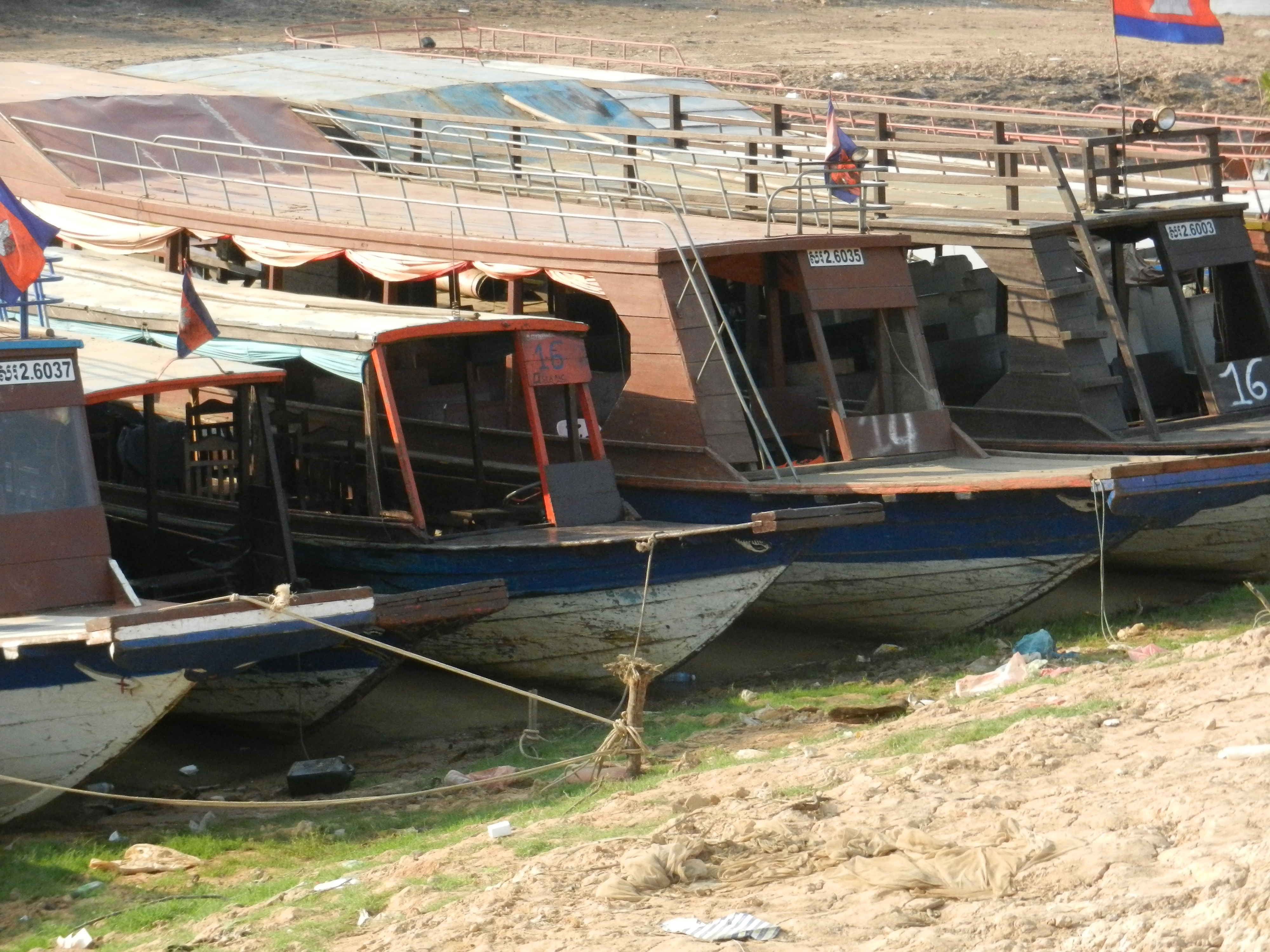
In the wet season, however, the torrents of water flowing into the Mekong below Siem Reap make the river above reverse, and it flows back into the lake. During the wet season, the lake grows to four times its dry season size. Thus people living in stilt houses on dry land today end up surrounded by water from April to October. They make their living fishing some of the 2 million pounds of fish that are taken from the Mekong each year.
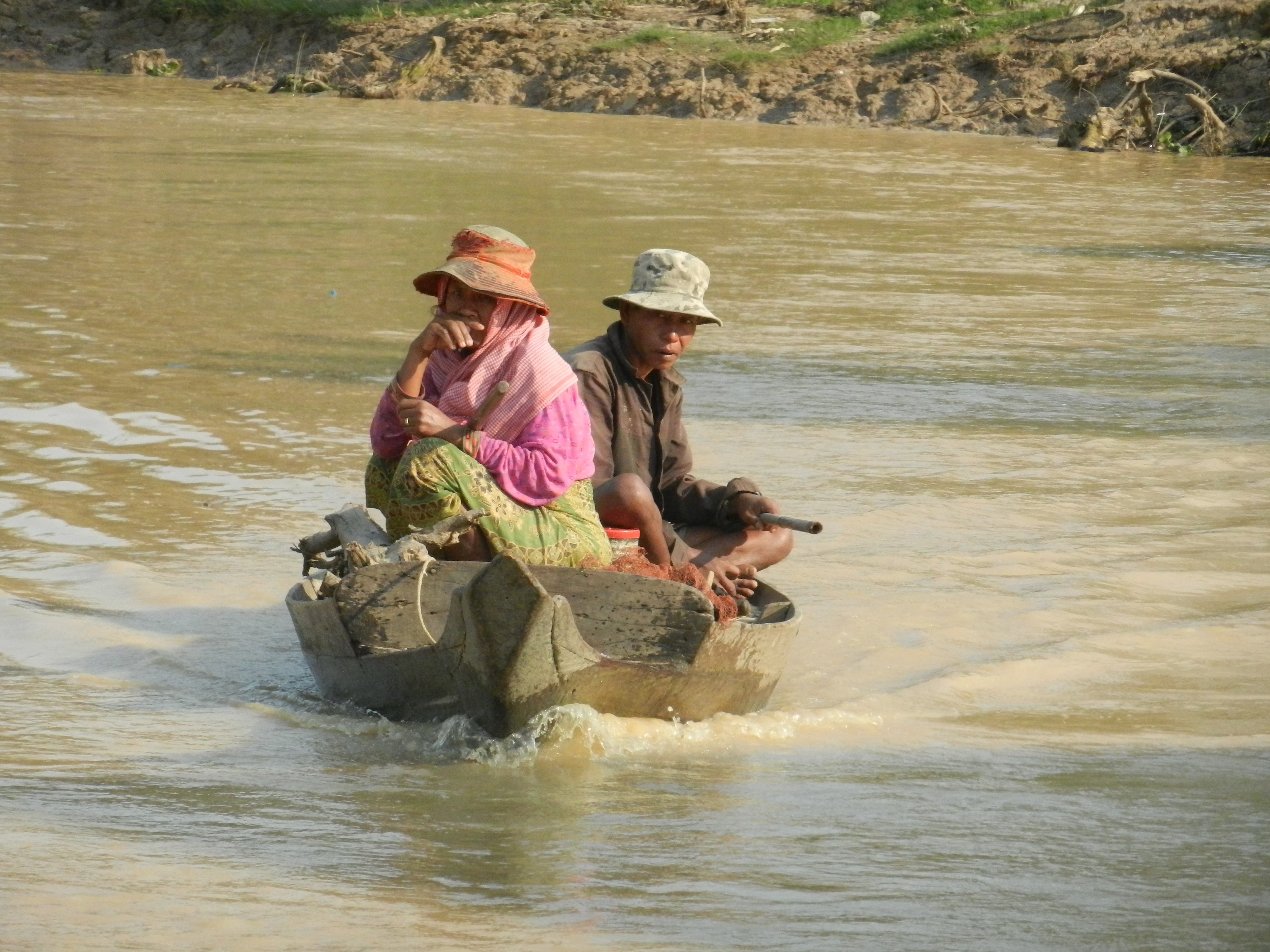
The community we visited – Kampong Plok – has been open to tourists for only four years. The people living there are still quite isolated from society although they now have satellite TV. When we arrived we boarded a long shallow boat with an extended, barely submerged rudder that apparently makes steering quite responsive and motored along a canal for about 45 minutes watching village life as we passed. (During the wet season, of course, the canals become part of the lake.) The boats move slowly which is a good thing because they often collide with each other as they squeeze through a narrow channel or have to make three-point turns to navigate a kink. Our “captain” looked about 14 years old but seemed very skilled. His assistant sat on the bow to push off vessels that were too close or to pole us away from the shore.
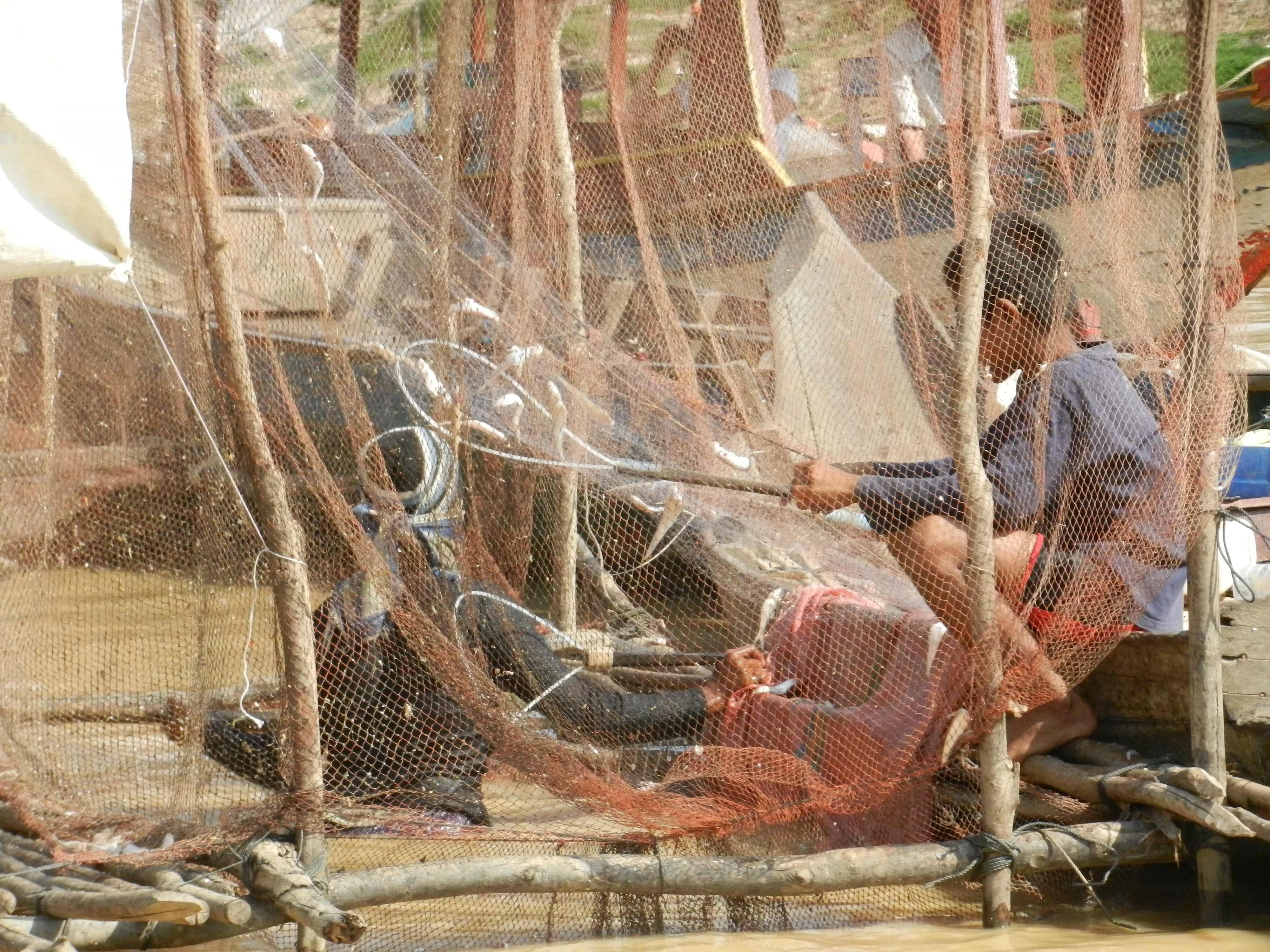
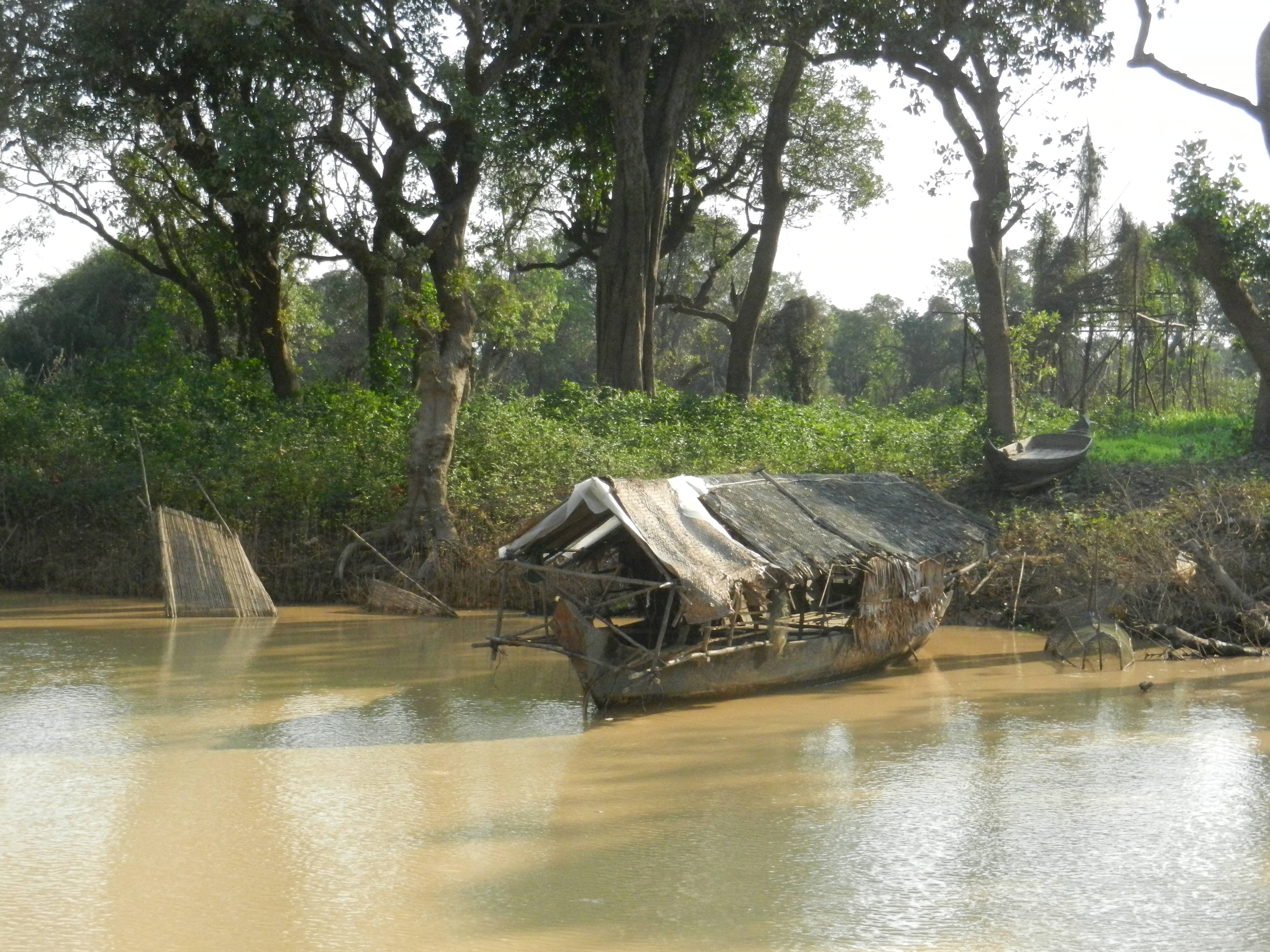
As we cruised along the canal, I was reminded of a Breugel painting. There was a fisher standing in the canal throwing his net and a woman at water’s edge washing clothes. Just above another fisher worked on his boat. Beside him, his colleague mended his fish nets and close by, a woman hung up her laundry. Here and there children played, sometimes on moored boats, sometimes on the shore, and an elder sometimes appeared on the upper deck of a house. Hives of activity creating an industrious whole.
https://www.flickr.com/photos/64513024@N07/20946682880/in/datetaken/
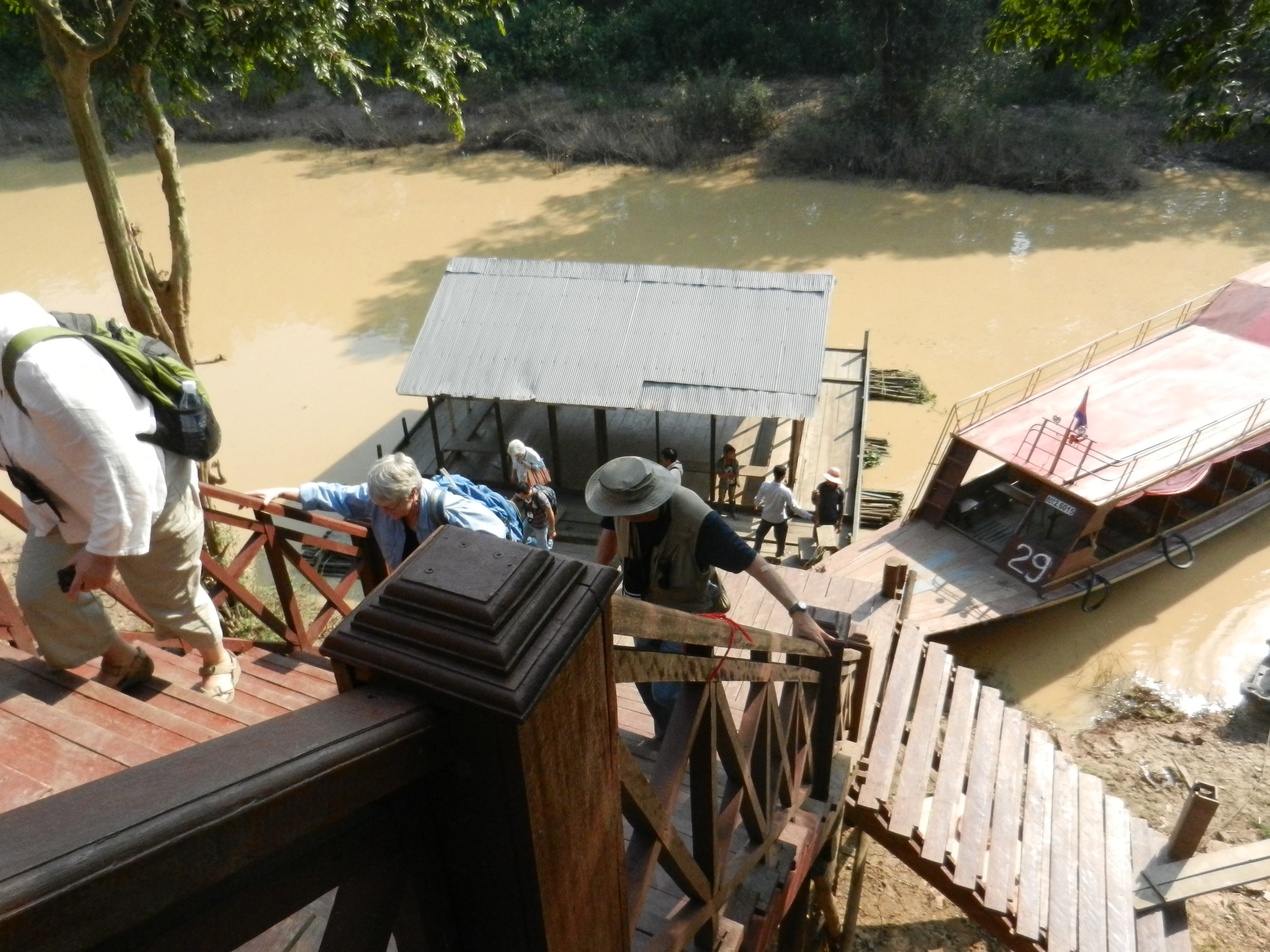
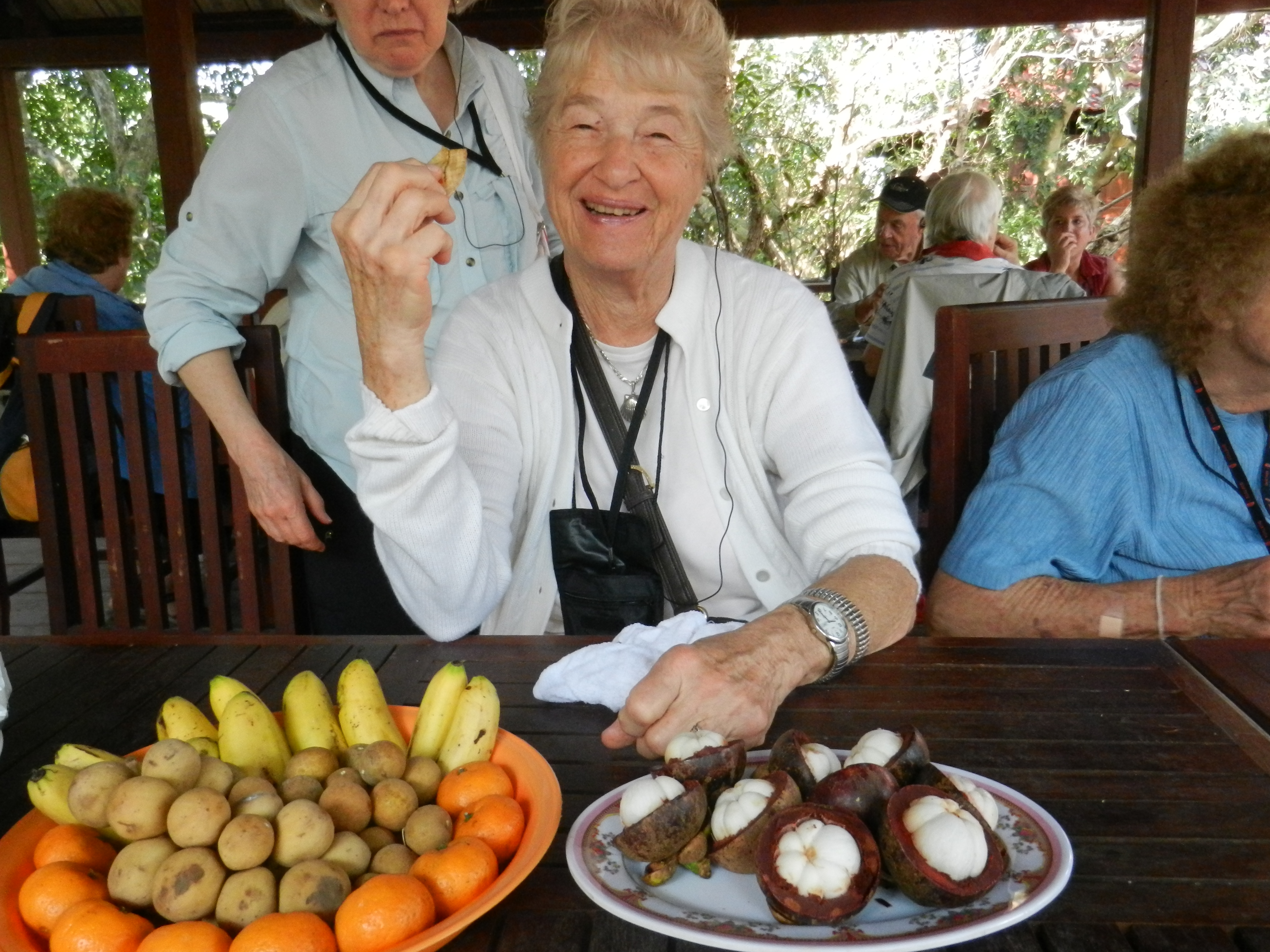
We stopped at a lovely restaurant on stilts for a snack. The day was not too hot and not humid which made for a nice change. It is a good thing we exercised our stair legs yesterday because we faced another steep flight today. Most of us agree that today’s snack was the best – banana chips, yam chips, fresh mango and mangosteens, nuts, and yay! diet Coke!
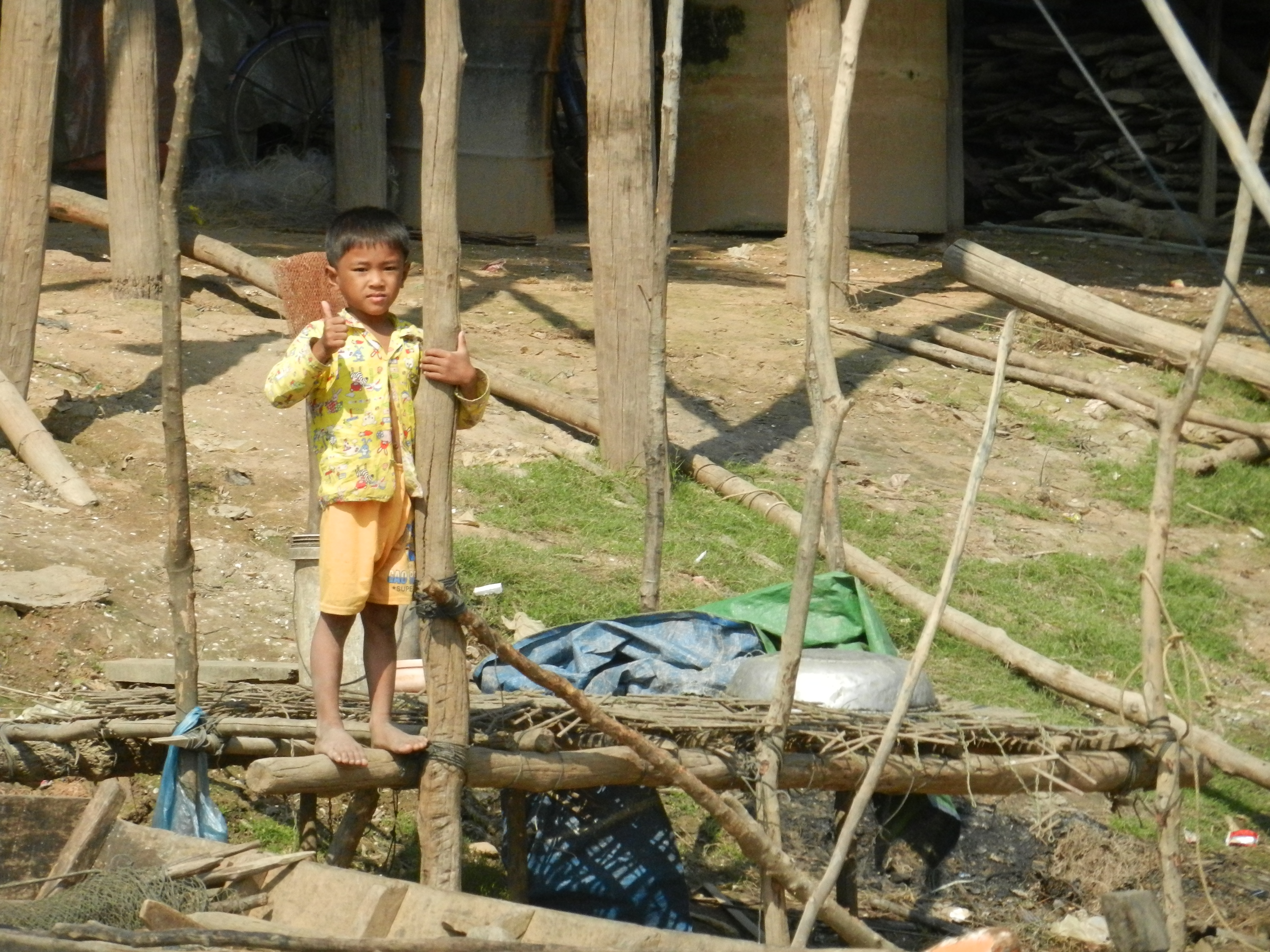
The poverty of Kampong Plok is apparent. Our local guide Bros confirmed that the villagers make a subsistence living. They grow rice and eat it for breakfast, lunch and dinner, and supplement it when possible with fish. If the catch has been small, they may supplement with fish paste or nothing at all. Bros was quick to point out, however, that these people are not unhappy; they do not know any other life. And indeed they smiled and waved at us even when we interfered with their fishing. Satellite TV may well change that situation though. The children go to school to age 10 since the government covers that cost, but if parents want their children to go on to secondary school, they must pay which is rarely possible in Kampong Plok.
Beyond Kampong Plok, Cambodia has such a dire need for food security, health care including clean water, and education. But Cambodia does not have the human resources to solve these problems – the average age is 22 and the generation that should be leading the way was decimated by Pol Pot. What is amazing, though, is the optimistic outlook of the Cambodians we met. They have awakened the dormant volunteer in me and I think I must consider coming back to help in some small way when I retire.
I am now in Ha Noi, Viet Nam and looking forward to some new exploring tomorrow!


Leave a Reply