Departure Day minus 2: Time to get serious about preparing for my trip to Ecuador.
Before my friend sent me the article about retiring in Ecuador, I really hadn’t thought much about the country. Did you know that Ecuador is Spanish for equator? Did you know the official currency is the US dollar? Did you know that Ecuador, including the Galápagos Islands, is considered one of the most biodiverse countries in the world and that Ecuador was the first country to impose legally enforceable rights of nature? You probably did, but I didn’t!Fortunately, Road Scholar provides a suggested reading list for the uninformed such as I. I recommend the following few books.
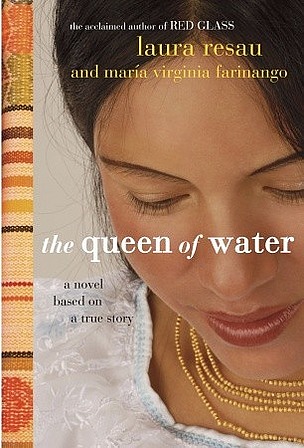 The Queen of Water by Laura Resau and María Virginia Farinango is based on the true story of a young girl from a impoverished Incan community high in the Andes. She is taken as a domestic to a large city where she has access to books, teaches herself how to read and write, and eventually breaks the cycle of poverty into which she was born. A lovely read!
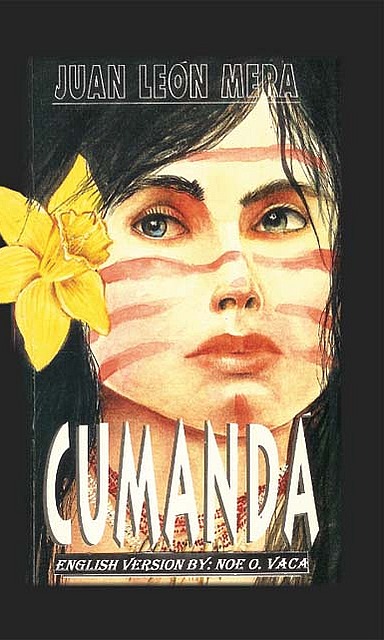 Cumandá by Juan León Mera, known as the father of Ecuadoran literature, is set in the 19th century Amazonian jungle. It is the story of a young indigenous woman and a white missionary who, against the wishes of her family, fall in love. She saves his life several times for he is not a child of the jungle as she is. They want to marry but cannot, and in the end Cumandá marries the chief of a neighbouring tribe in order to save one last time the life of the man she loves.
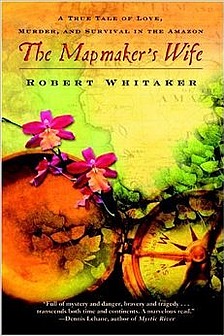 The Mapmaker’s Wife by Robert Whitaker is the true story of the enduring love between a French explorer and a Peruvian noblewoman. The tale set in the mid-18th century in Ecuador’s Amazon jungle and is a tale of endurance and female resourcefulness.
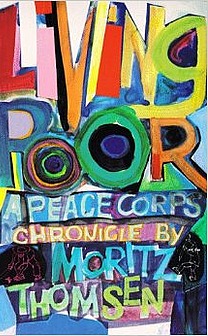 My favourite is Living Poor: A Peace Corps Chronicle by Moritz Thomsen. It is the story of the 44-year-old Thomsen’s Peace Corps experience organizing farming co-operatives in a tiny coastal village in northern Ecuador. It was not an easy undertaking and Thomsen’s descriptions of the people he met, the resistance he encountered as he tried to lift the villagers out of poverty, and his growing love for Ecuador are compelling.
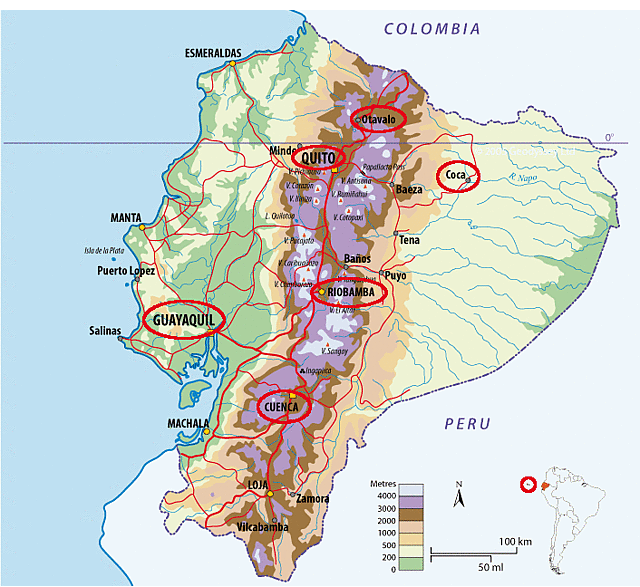 My tour starts in Quito in northern Ecuador. (If you click on the map, you will see a larger version with the places we visit circled in red.) On day 3 we travel to the Amazon basin near Coca in the northeast part of the country. After four days in the jungle we cool down and dry out in Otavalo, a northern Andean city known for its weaving and local handicraft markets. From Otavalo we head south to Riobamba, then – finally! – to Cuenca, the farthest south we will travel. Following a short stop in Guayaquil on the coast, we fly 600 miles west to the Galápagos Islands for four days, then finish the tour with a final day in Guayaquil.
Hasta mañana!


Leave a Reply