
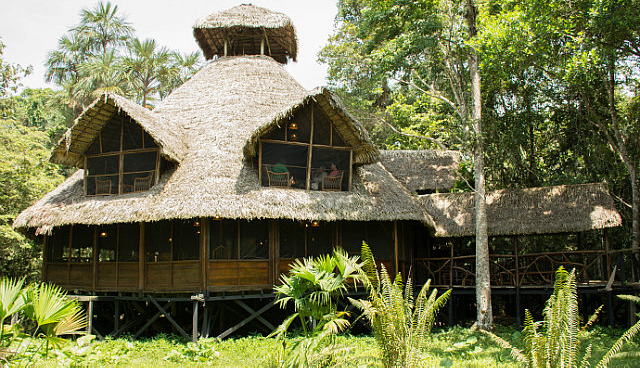
For the last few days I have been living in the most beautiful steam bath in the world. Sacha Lodge, an ecological centre in the Amazon rainforest (sachalodge.com) provides accommodation, meals, wellies, rain ponchos and tour guides for folks in search of a naturalist experience in the jungle. I was ensconced in one-half of a duplex cabin, complete with two double beds, a fan with five speeds, a dry box for cameras and computers, a shower and toilet, and a balcony with a hammock – not a bad way to experience the delights of the jungle. The Lodge provided us with biodegradable soap and shampoo to use instead of our own, and purified water stations found here and there on the grounds for refilling water bottles provided by Road Scholar.
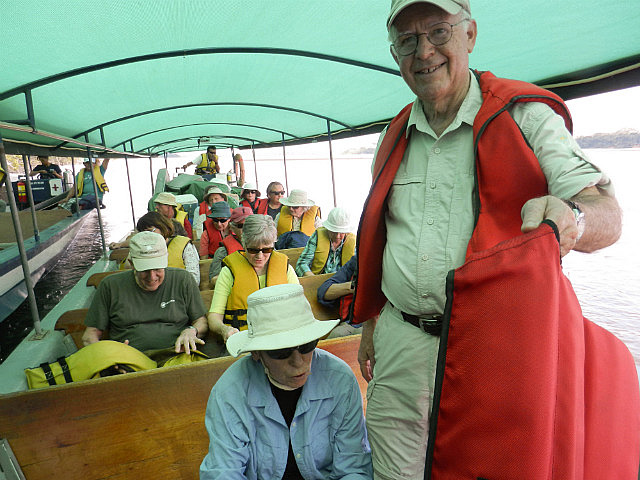
On Friday morning we flew from Quito to Coca where the roads east come to an end. Once in the rainforest, rivers become the highways and streets and lanes of the country. Sporting life jackets we sat three to a bench in a long, covered but open, very fast boat. I was excited to sit in a “window” seat but soon realized I was also sitting in the “wet” seat. The boat sat so low in the water that the wake often blew back into my face!
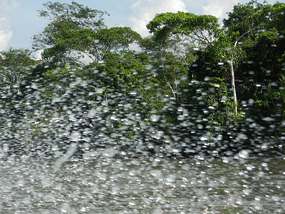
As you can see, it somewhat foiled my photo of the riverbank. However, the ride was lovely; it felt a little cooler on the water and the breeze was more than welcome.
The 50-mile trip east and south on the Napo, an Amazon feeder river, took around two hours. Where the Amazon River begins depends upon whom you ask – an Ecuadorian, a Peruvian or a Brazilian. They all claim the Amazon River begins in their country! While Ecuador encompasses only 1.6% of the Amazon basin, that area comprises 45% of the country’s territory. We arrived a way-station where we disembarked for the half-hour walk to the Pilchicocha Lake.
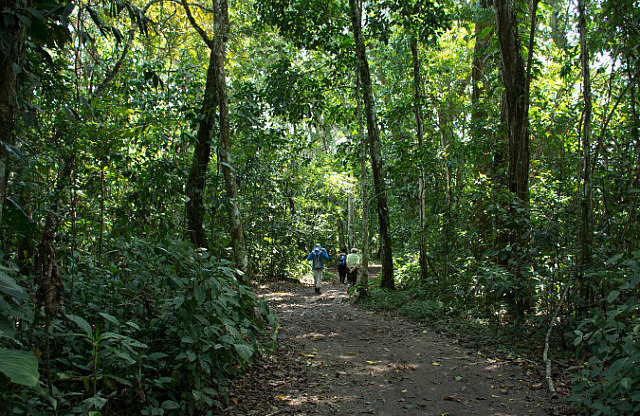
There we transferred to smaller canoes paddled by employees of Sacha Lodge for a short ride across this black water – very acidic – lake.
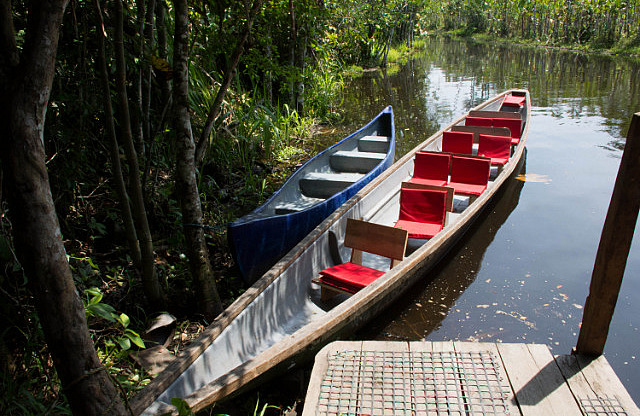
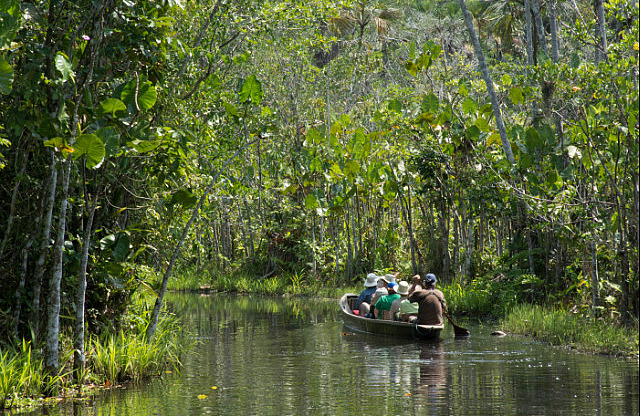
After an orientation to the Lodge, a few minutes to shower and change, a lecture on the socio-economic prospects for South American countries in a world of globalization and climate change, and finally dinner, I thought we were through for the day. Hah! Not even close! At Sacha Lodge, guides take guests on nature walks and canoe rides after the 6 am breakfast call, again at about 3:30 pm and following the 7:30 pm dinner call.
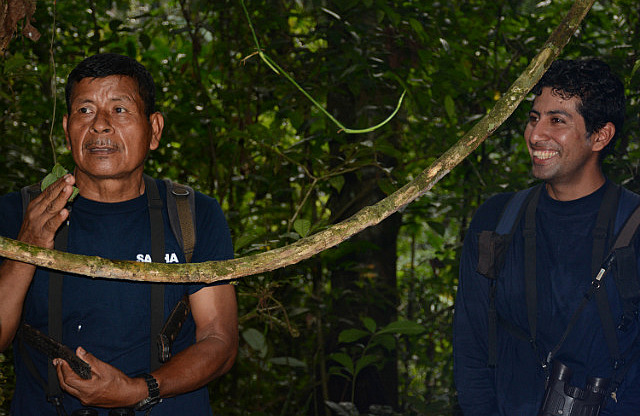
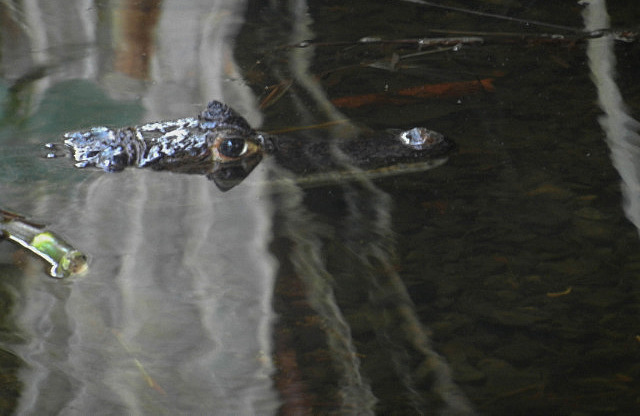
My tour mates and I were divided into two groups, each with an indigenous guide and English-speaking naturalist. We not only participate in activities as a group, we eat as a group and shower as a group … just kidding about the shower, the heat must still be getting to me. After dinner Ernesto, our indigenous guide, paddled us across the lake and into a long U-shaped canal in search of caymen – small crocodiles though they can grow to five feet in length – and other wildlife. On the return trip to the Lodge, the air was soft and the stars bright, and cicadas and frogs were in full voice. We were too lulled by the shush-shushing of Eduardo’s paddle to talk.
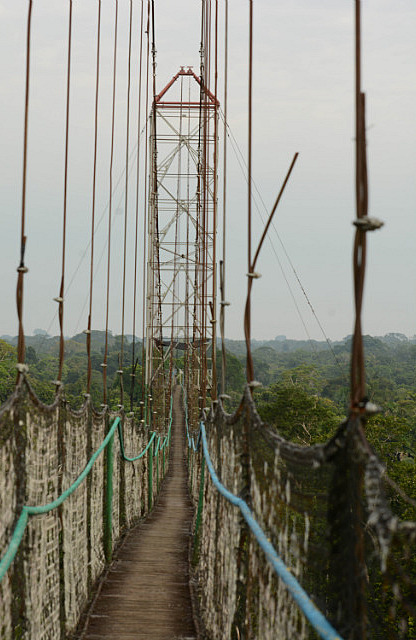
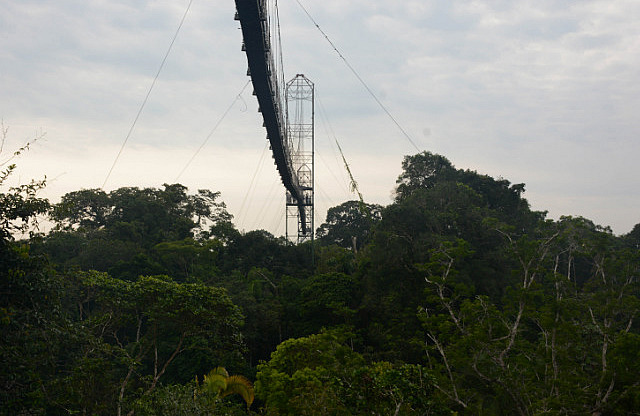
Other excursions took us to a canopy walk and a viewing tower, both about 130 feet high which meant about 150 stairs up, another canoe ride in the late afternoon, and a night walk in search of wildlife that bump in the night.
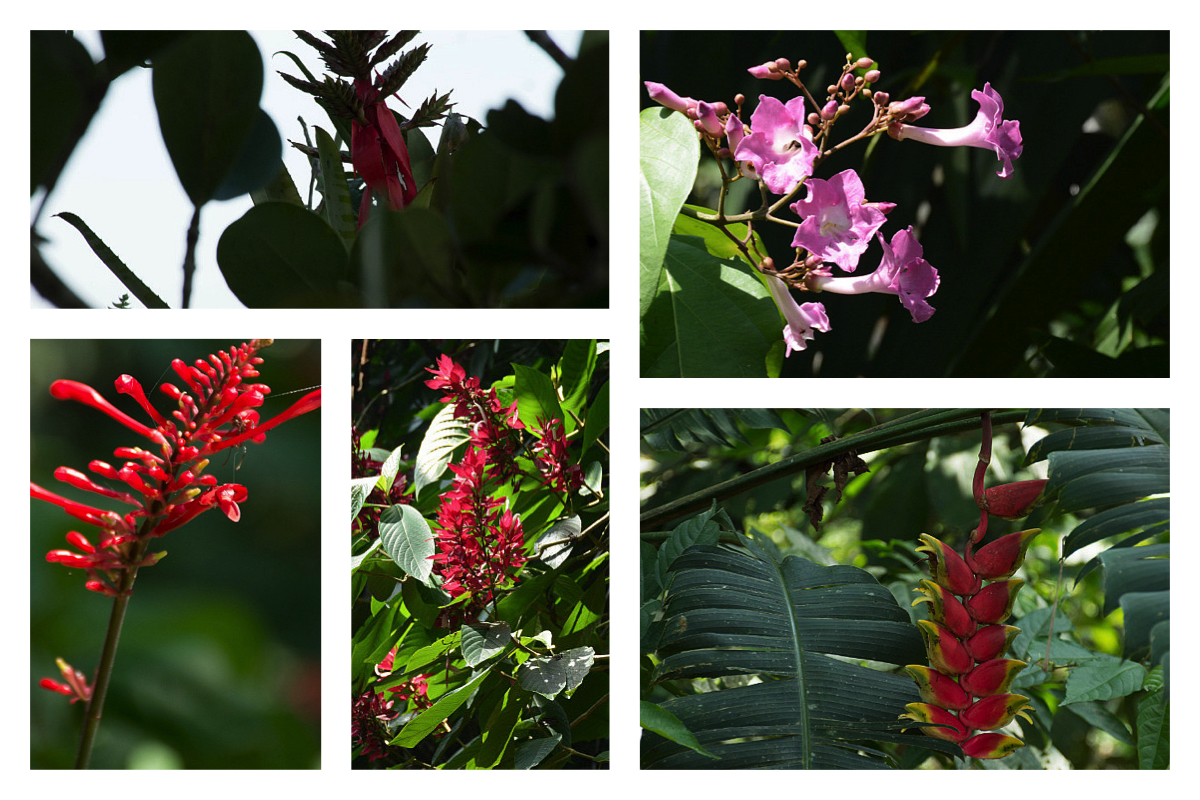
We saw pretty flowers
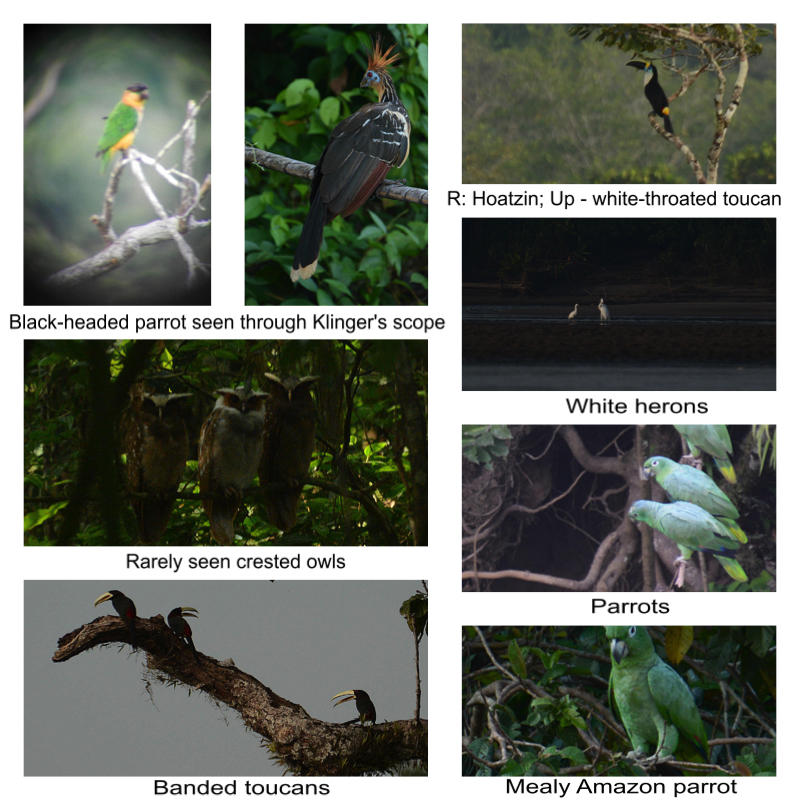
beautiful birds
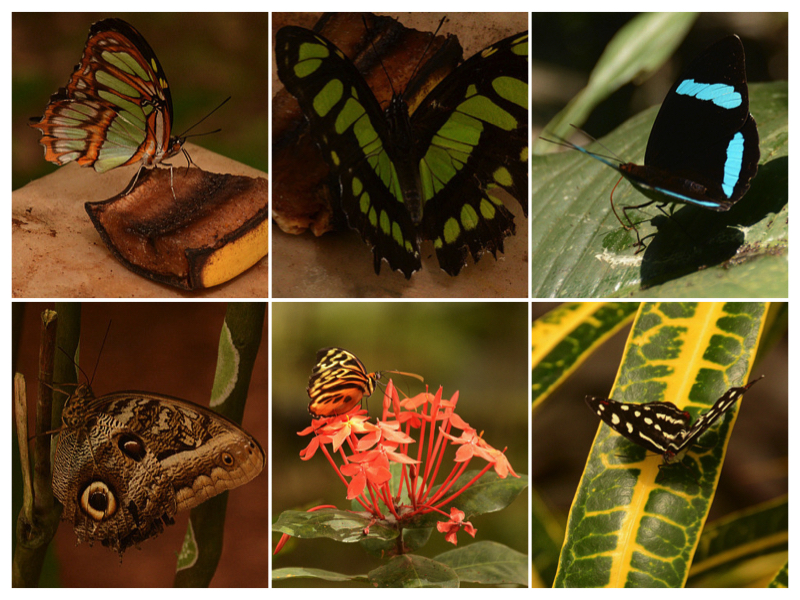
glorious butterflies
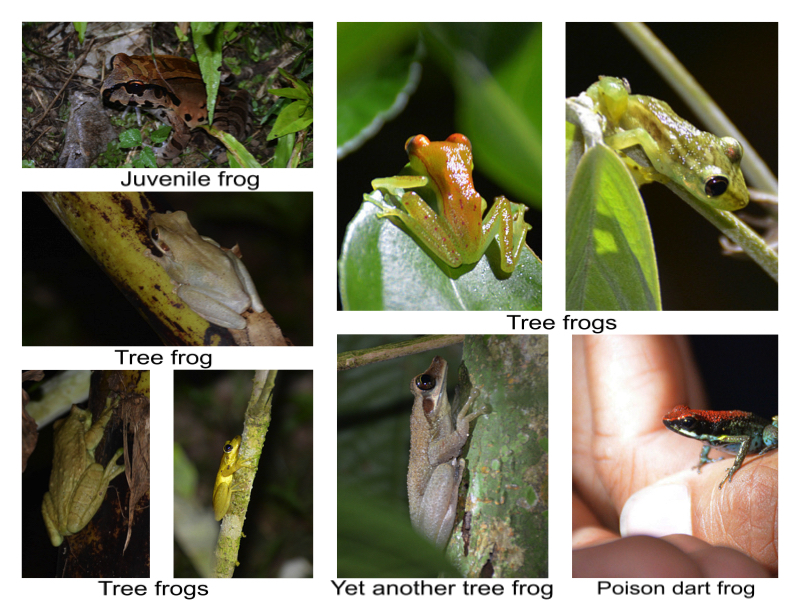
and intriguing frogs. The little dart frog is poisonous enough to kill a bird that swallows it. The poison is on the bird’s back, so Klinger had to be careful to get his fingers below the frog and encourage it to walk on this hand. He could hold the frog for a maximum of three minutes for us to take photos.
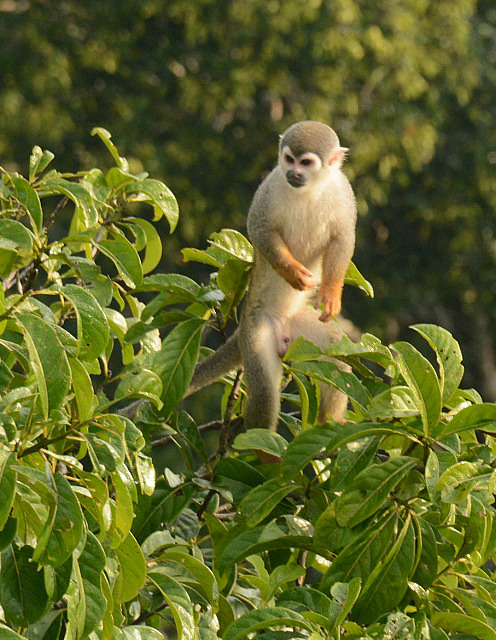
We saw silly monkeys too.
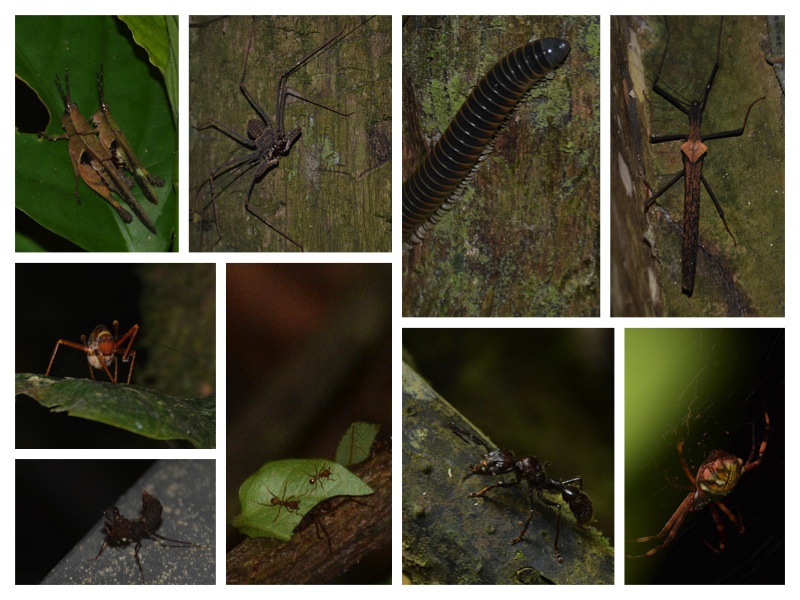
There were lots of creepy-crawlies
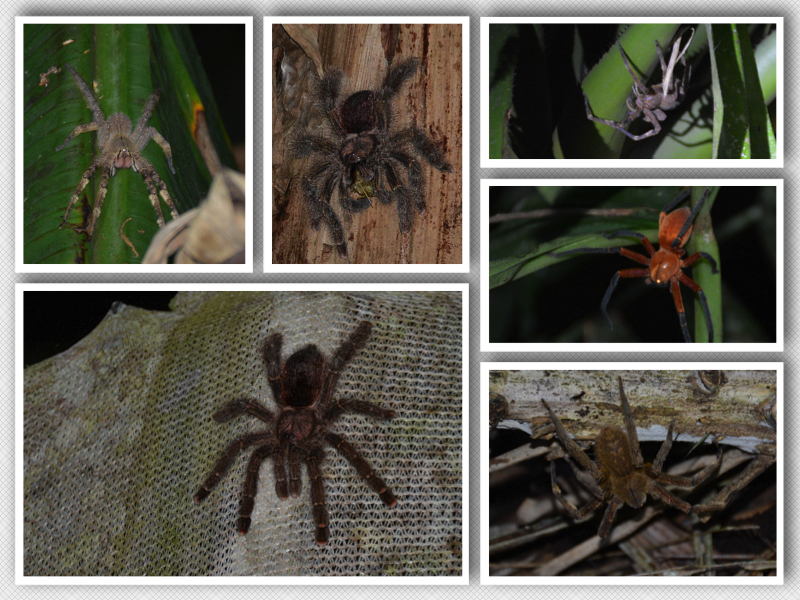
tarantulas,
and even a cayman!
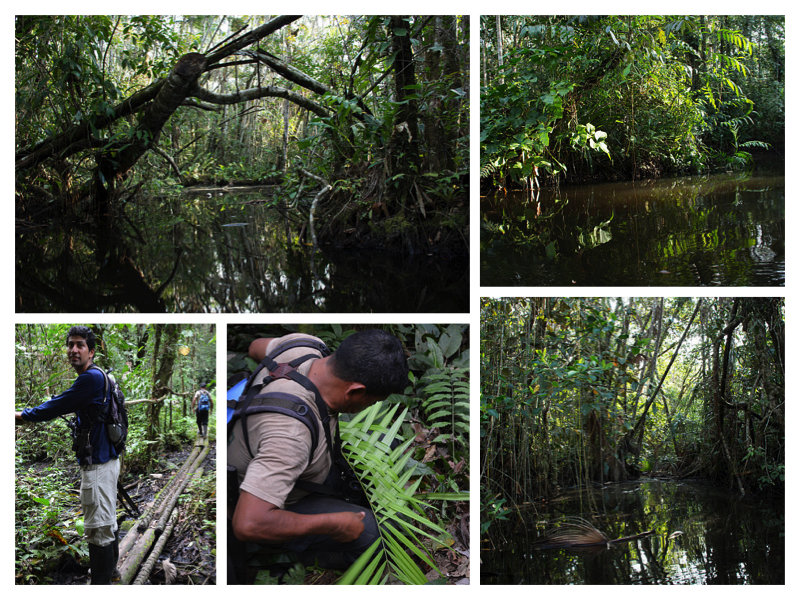
We have now left the Amazon basin and are in the Andes highlands. I will always remember the compelling beauty of the jungle in this way:
Después dude!


Leave a Reply