On the Move

Experiencing lovely Cuenca
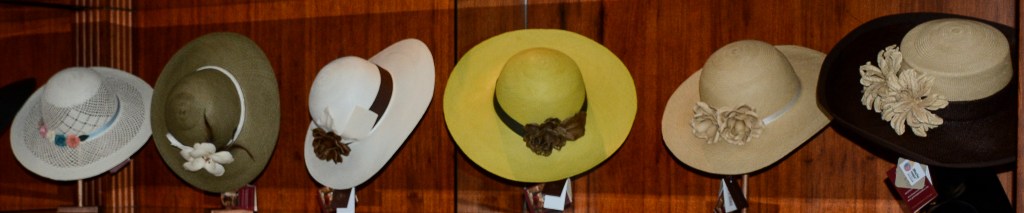
Pretty gorgeous Panama hat!

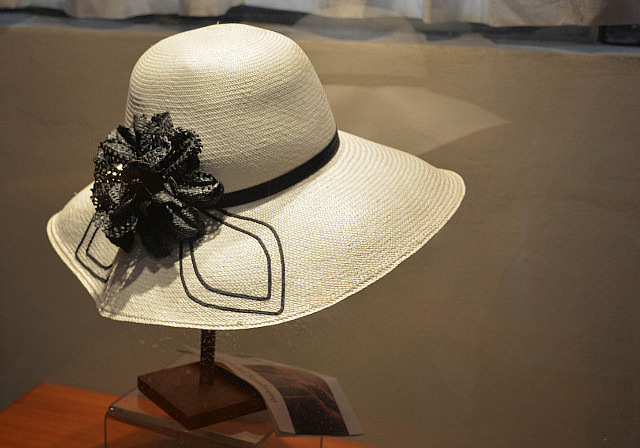
Hats and ceramics. So much to learn, so much to appreciate.

We are in Cuenca, my raison d’être for this visit.  This lovely city was founded by the Spanish in 1557 on a site that resembled the city of Cuenca in Spain.  It is a listed UNESCO World Heritage Trust site in part because of its many historical buildings and also, we are informed, because of its straight streets that conform to an even grid.  About 500,00 people live here, 12,000 of whom are English-speaking non-nationals in search of fine weather and inexpensive living.
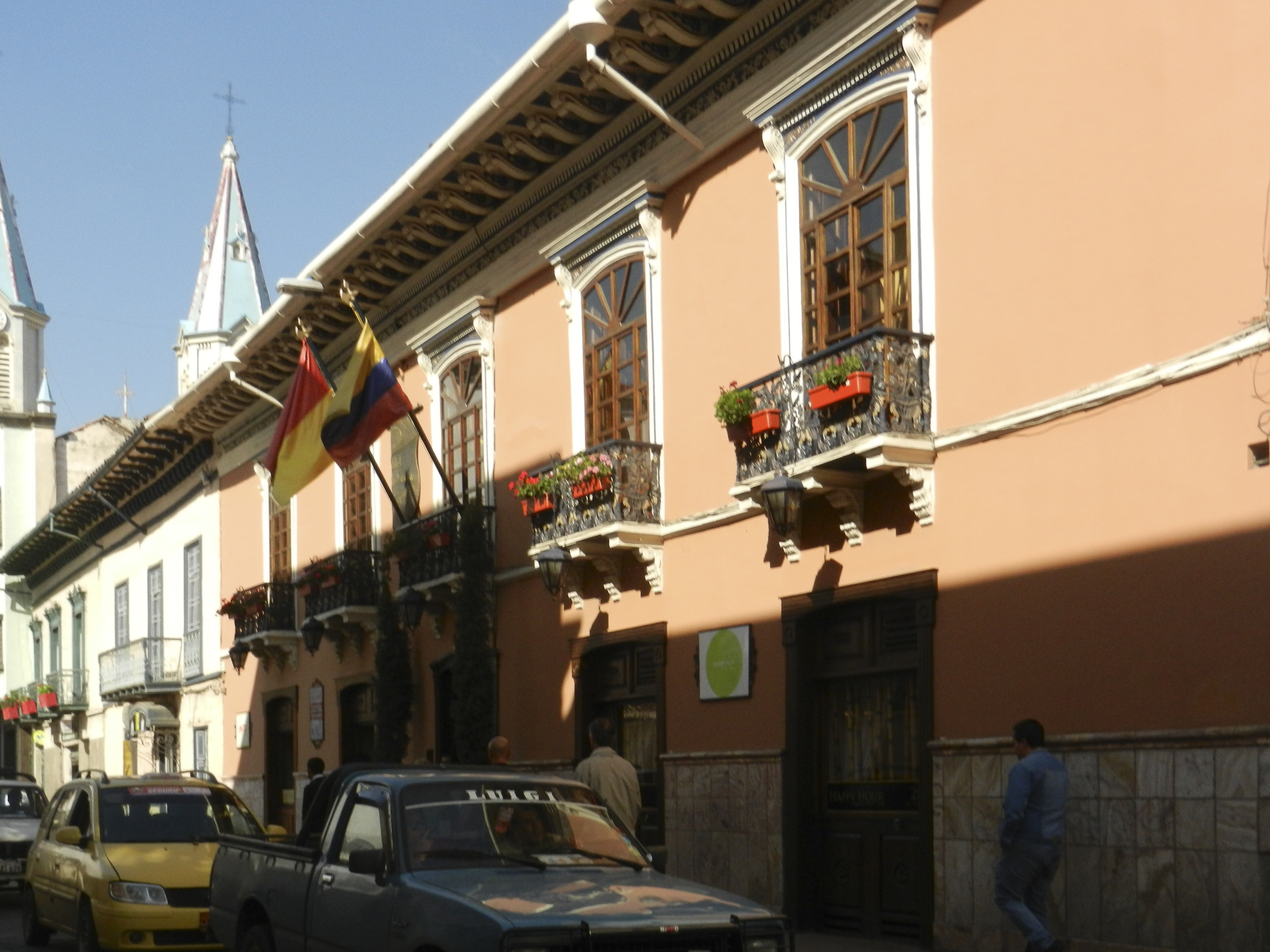
Hotel Santa Lucia, Cuenca

We are staying at the Hotel Santa Lucia, a converted private residence.  The central courtyard is the dining room; guest rooms on the first and second floors are arranged around the courtyard.  Into this lovely Ecuadorian setting is piped distinctly non-Ecuadorian music – mostly of the American popular variety though last night a Christmas carol was included in the playlist.
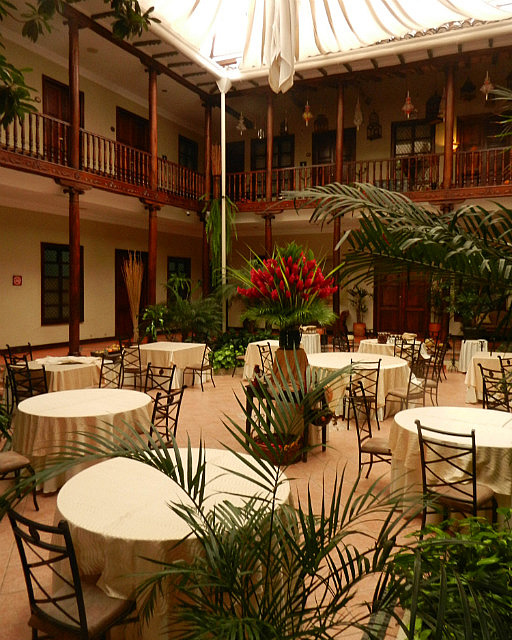
Interior courtyard, Hotel Santa Lucia

Panama hats do not come from Panama!  They come from Cuenca and have been produced here as far back as the mid-16th century.  (They became known as Panama hats because early exports were routed through Panama.)
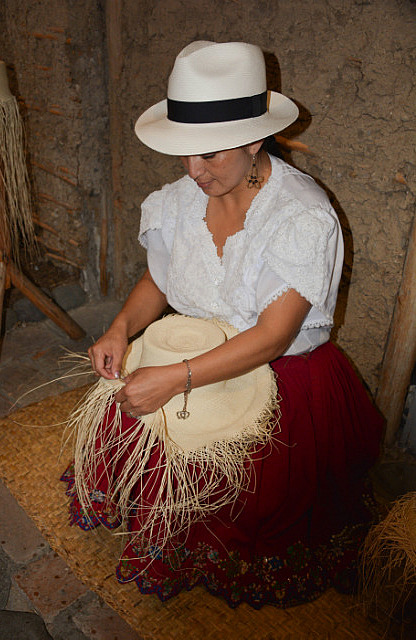
Woman weaving a Panama hat

The hats are made from the spines palm leaves found along the coastal region.  The spines are soaked to soften them and in some cases dyed, then woven into hats, then washed, blocked and ironed!  We watched a young woman in traditional dress working on a hat.

I asked how long it would take her to finish the hat.  Gonzalo’s answer – about three months.  She only works on it when people are touring the factory.  In fact, the hats are made by locals who sell the unfinished version to the factory for finishing.  The showroom at this factory is delightful.  Men’s hats, women’s hats, expensive hats, less expensive hats and even straw dolls and purses are available.  Several of my tour mates purchased products but I resisted.  Where would I wear this delicious hat?
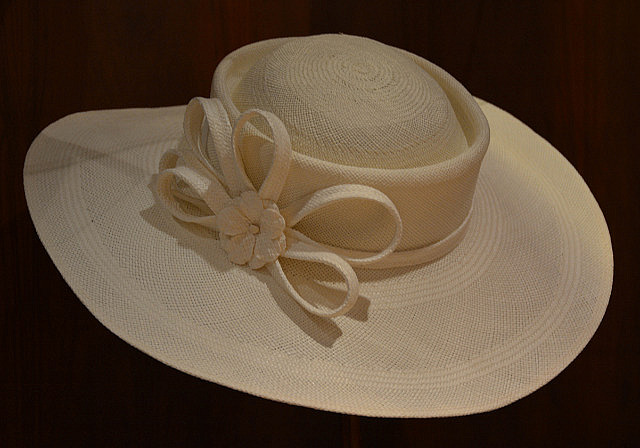
3.1391176849.a-hat-fit-for-royalty

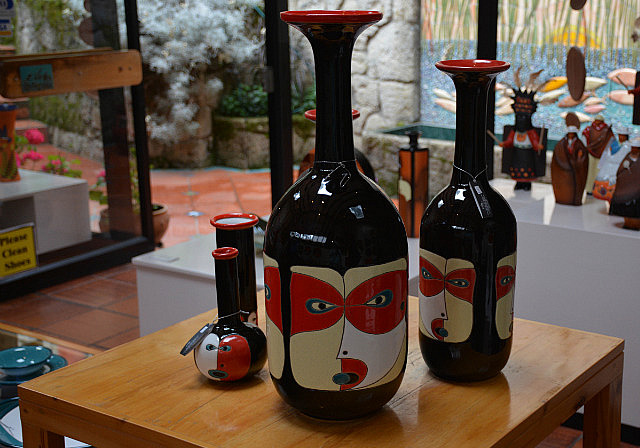
Vases in Eduardo Vegas's workshop
Vases in Eduardo Vegas’s workshop

We visited Eduardo Vega’s ceramic shop and showroom high on a hill overlooking Cuenca.  Vega’s work is bright and bold and very modern.  (See ceramicavega.com.)  Wall plaques, teapots (too expensive Paul!), mugs, coasters, candleholders, vases and all manner of other useful and decorative ceramic creations were on display.  The workshop also contains pieces not for sale; that’s where I found two I would have snapped up in an instant but fortunately for my bank account my inquiry as to whether Vega might consider selling met with a firm negative.

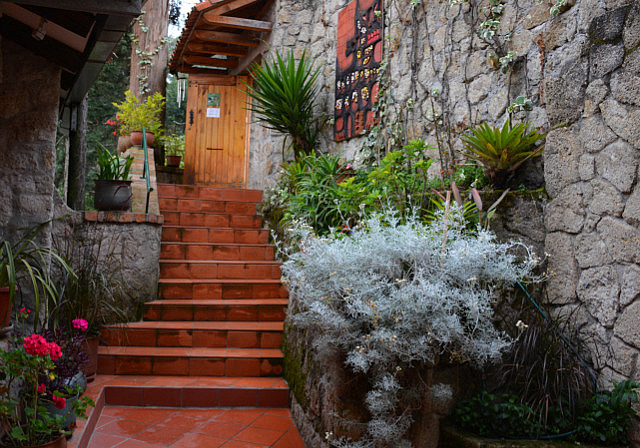
The way out of Eduardo Vegas's workshop
The way out of Eduardo Vegas’s workshop

Vega’s shop itself is a piece of art.  Nestled below the level of the road, the property looks out over Cuenca.  I didn’t see any windows in the actual workshop – a good thing for the view of the red roofs required by law was stunning.

Cuenca from Eduardo Vegas's workshop
Cuenca from Eduardo Vegas’s workshop

After a walking tour of old Cuenca and a traditional lunch at the Museo de las Culturas Aborigenes we were set loose for a few hours.

Banana cake at the Museo

I wandered through the old market ogling the handicrafts on display.  The sun, which had stubbornly refused to make an appearance this morning, broke through the clouds and warmed the city.  I can understand why westerners might want to retire here.  Life is relaxed, all the mod cons are available, quality health care is universal, over-65’s receive a 50% discount on all services including air fares, and there is a good-sized English-speaking community to isolate them from real life which is exactly why I won’t retire here after all.

A mobile toy vendor at the market
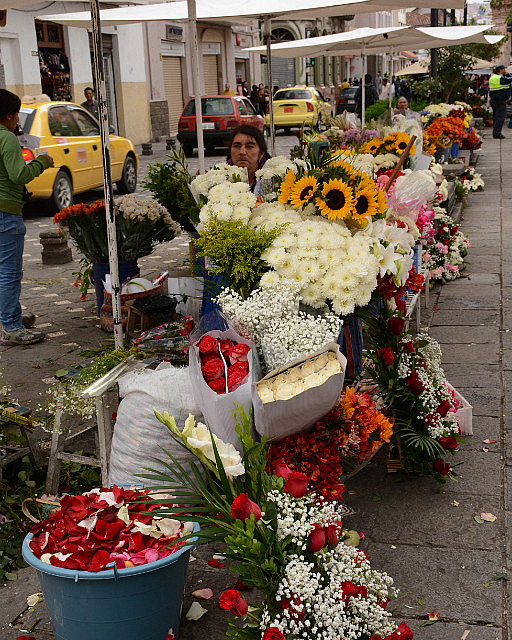
The flower market
The flower market

A history professor from one of the local universities addressed us before dinner.  We took a very quick trip from pre-history – 13,500 BC – to the late 19th century.  She had quite a bit to say about the current president, Rafael Correa, and his push to modernize and control Ecuador – too much, too fast, a theme frequently voiced by Gonzalo.  For example, professors must take competency exams every two years to retain their status at the universities.  Who sets the exams we asked?  A young man who didn’t know the answers to the questions, so everyone kept their jobs.  For another example, the penalty for breaking the speed limit is three nights in jail.  However, our speaker gave Correa credit for reducing poverty and making health care universal and primary schooling compulsory.

The whole time the professor was talking to us a political campaign – municipal elections are just around the corner – was setting off fireworks.  It seemed a fitting backdrop for this discussion of a country that’s definitely, one way or the other, on the move.

Leave a Reply

Pretty gorgeous Panama hat!

Hats and ceramics. So much to learn, so much to appreciate.

We are in Cuenca, my raison d’être for this visit.  This lovely city was founded by the Spanish in 1557 on a site that resembled the city of Cuenca in Spain.  It is a listed UNESCO World Heritage Trust site in part because of its many historical buildings and also, we are informed, because of its straight streets that conform to an even grid.  About 500,00 people live here, 12,000 of whom are English-speaking non-nationals in search of fine weather and inexpensive living.

Hotel Santa Lucia, Cuenca

We are staying at the Hotel Santa Lucia, a converted private residence.  The central courtyard is the dining room; guest rooms on the first and second floors are arranged around the courtyard.  Into this lovely Ecuadorian setting is piped distinctly non-Ecuadorian music – mostly of the American popular variety though last night a Christmas carol was included in the playlist.

Interior courtyard, Hotel Santa Lucia

Panama hats do not come from Panama!  They come from Cuenca and have been produced here as far back as the mid-16th century.  (They became known as Panama hats because early exports were routed through Panama.)

Woman weaving a Panama hat

The hats are made from the spines palm leaves found along the coastal region.  The spines are soaked to soften them and in some cases dyed, then woven into hats, then washed, blocked and ironed!  We watched a young woman in traditional dress working on a hat.

I asked how long it would take her to finish the hat.  Gonzalo’s answer – about three months.  She only works on it when people are touring the factory.  In fact, the hats are made by locals who sell the unfinished version to the factory for finishing.  The showroom at this factory is delightful.  Men’s hats, women’s hats, expensive hats, less expensive hats and even straw dolls and purses are available.  Several of my tour mates purchased products but I resisted.  Where would I wear this delicious hat?
3.1391176849.a-hat-fit-for-royalty

Vases in Eduardo Vegas's workshop
Vases in Eduardo Vegas’s workshop

We visited Eduardo Vega’s ceramic shop and showroom high on a hill overlooking Cuenca.  Vega’s work is bright and bold and very modern.  (See ceramicavega.com.)  Wall plaques, teapots (too expensive Paul!), mugs, coasters, candleholders, vases and all manner of other useful and decorative ceramic creations were on display.  The workshop also contains pieces not for sale; that’s where I found two I would have snapped up in an instant but fortunately for my bank account my inquiry as to whether Vega might consider selling met with a firm negative.
The way out of Eduardo Vegas's workshop
The way out of Eduardo Vegas’s workshop

Vega’s shop itself is a piece of art.  Nestled below the level of the road, the property looks out over Cuenca.  I didn’t see any windows in the actual workshop – a good thing for the view of the red roofs required by law was stunning.
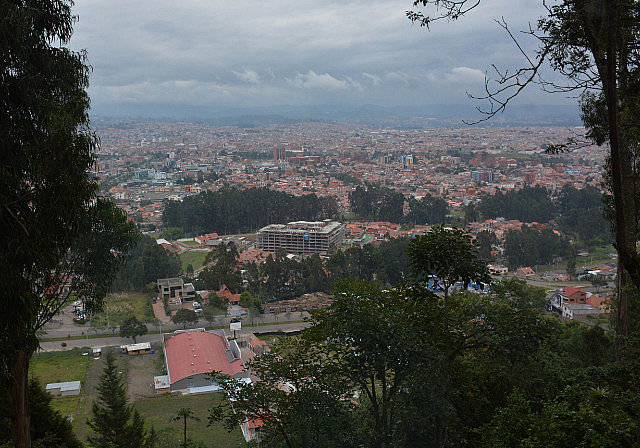
Cuenca from Eduardo Vegas's workshop
Cuenca from Eduardo Vegas’s workshop

After a walking tour of old Cuenca and a traditional lunch at the Museo de las Culturas Aborigenes we were set loose for a few hours.
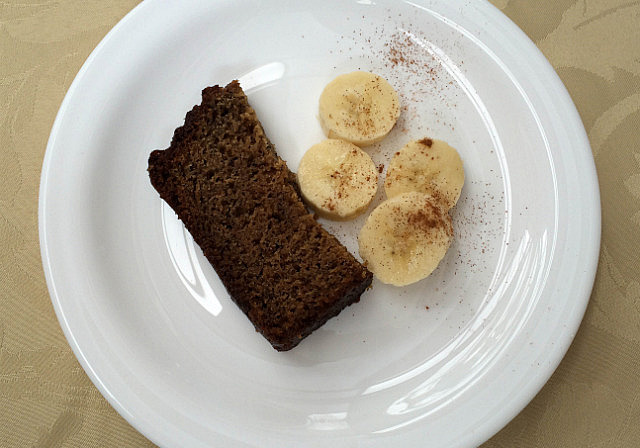
Banana cake at the Museo

I wandered through the old market ogling the handicrafts on display.  The sun, which had stubbornly refused to make an appearance this morning, broke through the clouds and warmed the city.  I can understand why westerners might want to retire here.  Life is relaxed, all the mod cons are available, quality health care is universal, over-65’s receive a 50% discount on all services including air fares, and there is a good-sized English-speaking community to isolate them from real life which is exactly why I won’t retire here after all.
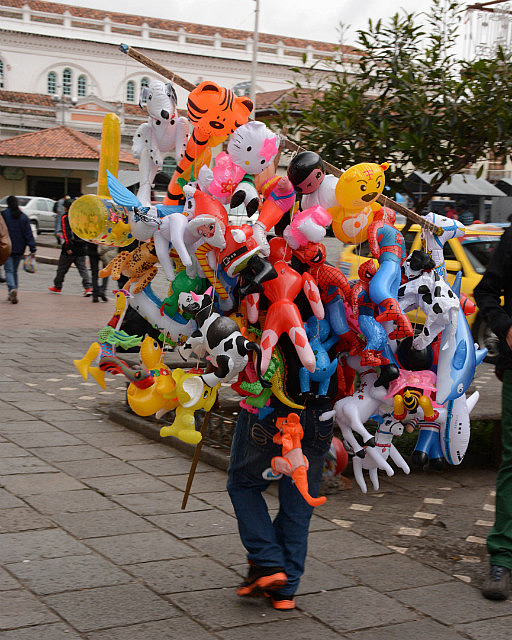
A mobile toy vendor at the market
The flower market
The flower market

A history professor from one of the local universities addressed us before dinner.  We took a very quick trip from pre-history – 13,500 BC – to the late 19th century.  She had quite a bit to say about the current president, Rafael Correa, and his push to modernize and control Ecuador – too much, too fast, a theme frequently voiced by Gonzalo.  For example, professors must take competency exams every two years to retain their status at the universities.  Who sets the exams we asked?  A young man who didn’t know the answers to the questions, so everyone kept their jobs.  For another example, the penalty for breaking the speed limit is three nights in jail.  However, our speaker gave Correa credit for reducing poverty and making health care universal and primary schooling compulsory.

The whole time the professor was talking to us a political campaign – municipal elections are just around the corner – was setting off fireworks.  It seemed a fitting backdrop for this discussion of a country that’s definitely, one way or the other, on the move.