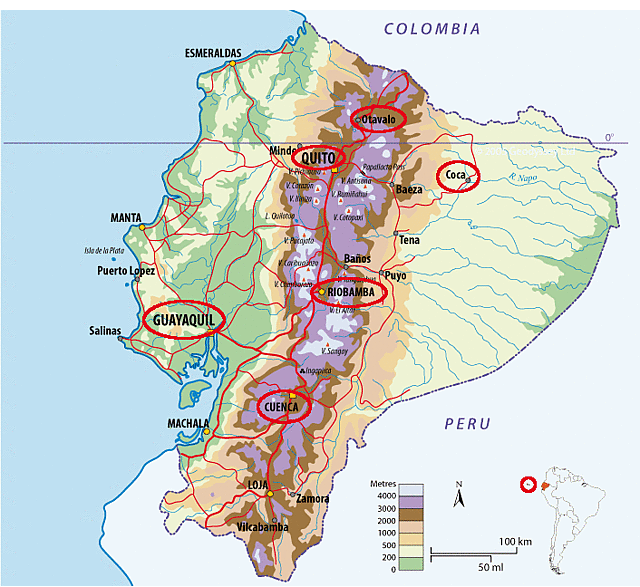
The road from Cuenca to Guayaquil twisty-turned us up to 14,000 feet and then down to sea level as we crossed the western range of the Andes Mountains and headed for the Pacific coast. As we neared Guayaquil the weather became warmer and more humid and the vegetation changed from lichen and moss on rocky outcrops to fields lined with pampas grass to fern trees and huge philodendrons.
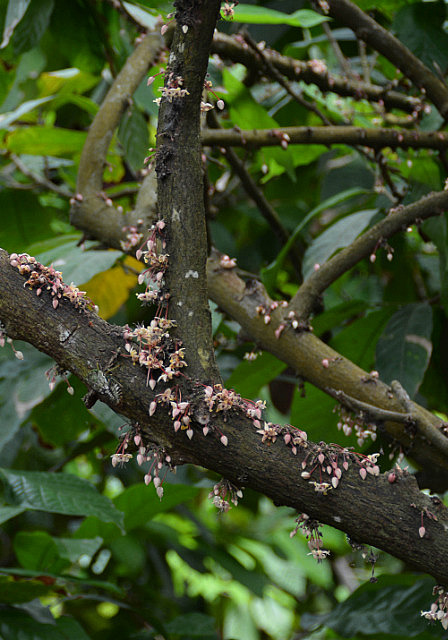
Near the coast we visited the Lara family mango and cacoa farm where we learned about cacoa production. Ecuadorians pronounce “cacoa” to rhyme with Macao (Taiwan). Cacoa trees are pruned to keep them relatively short so the bean pods are not out of reach during harvesting. Tiny flowers develop into large cacoa pods that grow out of the trunk of the tree rather than a branch, as they are too heavy for branches to bear. Even so, many of the cacoa trees sported wooden supports to keep them from falling over.
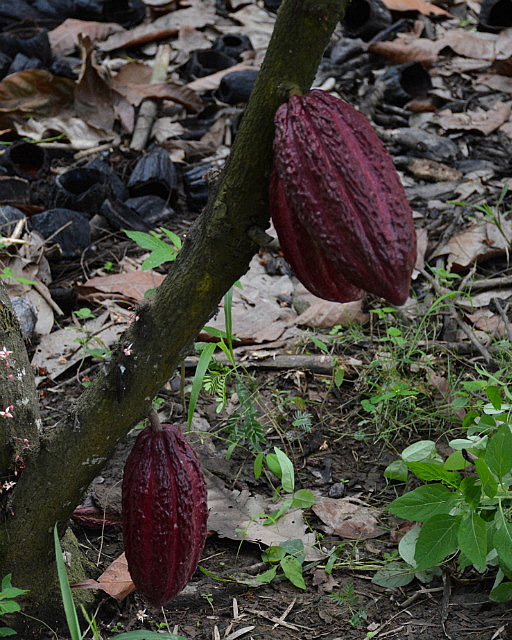
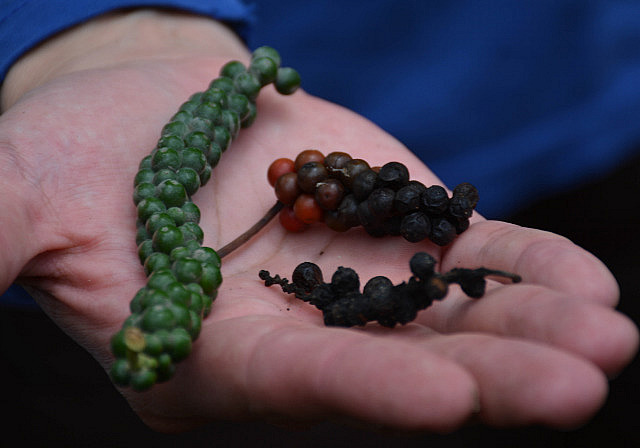
More than cacoa trees grow on the plantation. Teak trees ring the fields to provide shade for smaller plants. Tall avocado trees that produce a drier, less flavorful fruit than we find in our stores provide shade for peppercorn trees that in turn provide shade for the cacoa trees. (As a side note, an emerging industry in Ecuador is avocado oil, great to use in salad dressing.)
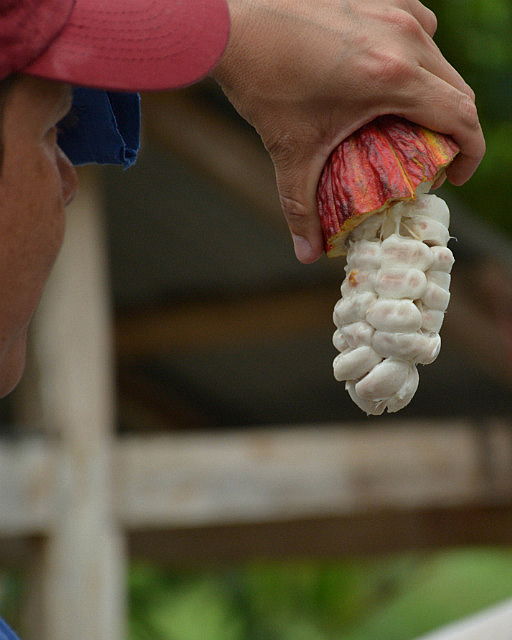
The cacoa pod contains a group of beans that are coated in a white gelatinous sweet-tasting substance. We all sampled the raw beans following a stern warning not to bite into them – they are very bitter.
Once the pods are harvested, the beans are separated and spread on the ground under cover for four to five days during which time the gelatinous substance ferments creating alcohol that is absorbed by the bean. No wonder we like chocolate so much! The beans are then moved into the sun to dry to prevent mold and other illnesses from attacking them during transport. The Lara family farm does not process the beans further; they are exporters only.
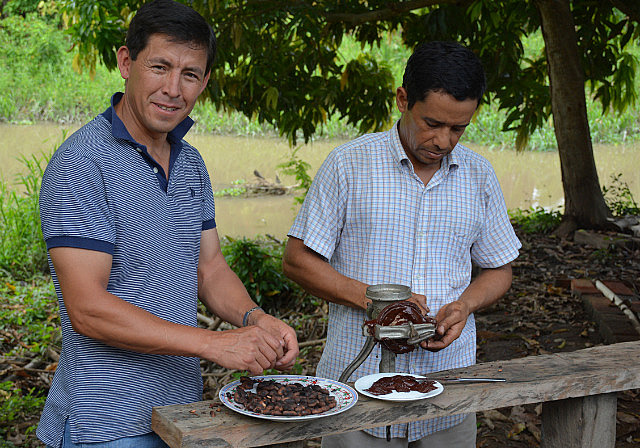
Today, however, the family processed some cacoa beans for us. First they cooked the beans in a dry frying pan over a flame. Then they peeled off the skin much as you peel off the skin of a roasted peanut, and placed the seeds in a hand grinder that reminded me of the old meat grinder my mother used to clamp to the kitchen counter. The result of all this activity is a thick, pure chocolate paste.
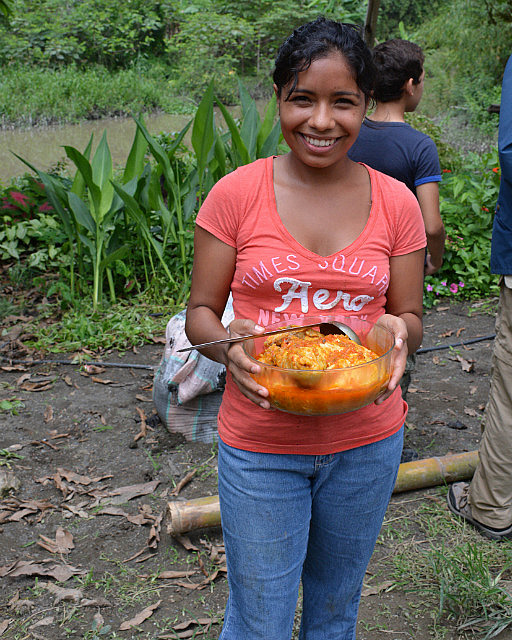
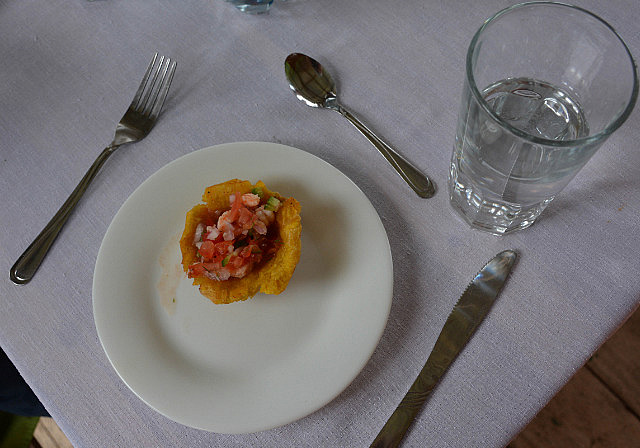
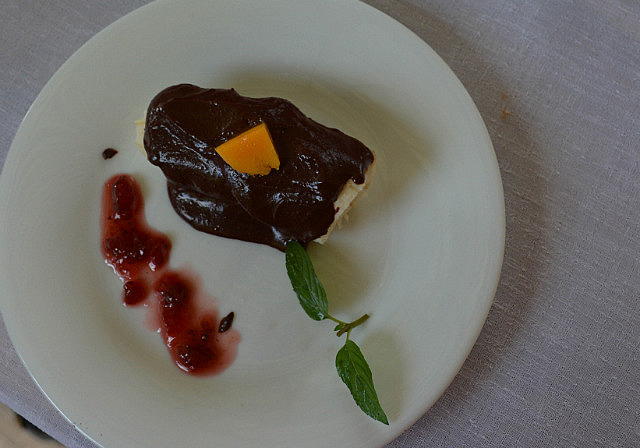
The Lara family served us lunch in an outdoor dining area, starting with a small shrimp salad in a plantain basket. The main course was chicken in a tasty sauce with rice and more plaintain. Neesa, the daughter and cook, explained that almost everything the family eats is available on their 12 hectare property. They purchase oil for cooking and a few spices, but that’s about it. Dessert was – of course! – chocolate, in this case topping a banana. It was très délicieux! We also sampled a chocolate drink before leaving for the remainder of our trip.
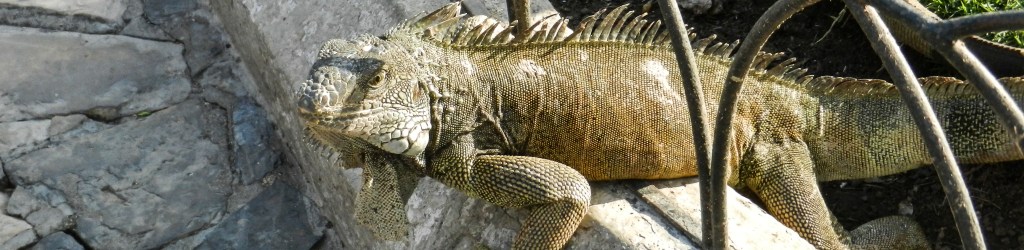
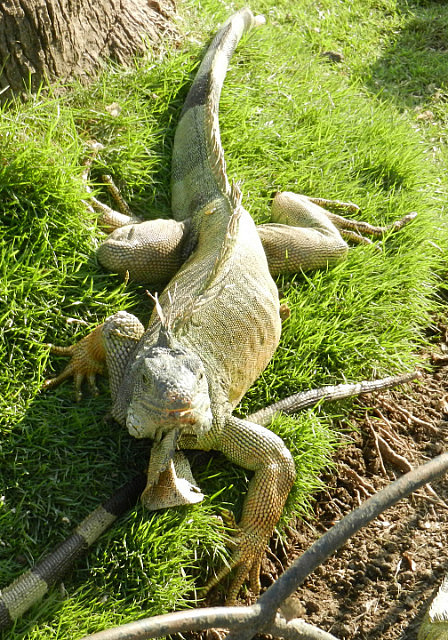
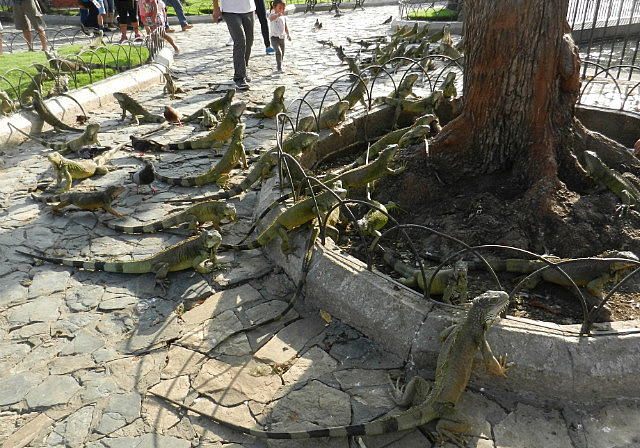
We arrived in Guayaquil hot and sweaty. The temperature was about 30°C with an estimated 85% humidity. Following cool showers in delightfully air-conditioned hotel rooms we headed out for a short walk around the city. We stopped at Centenario Park, home to many many MANY arboreal iguanas! They hang about on the ground looking for food during the day but head up into trees for the night. We arrived in late afternoon just as the rush for the trees began. The iguanas are not penned in but apparently do not wander further afield. This sight provided an exciting hint of what is to come!
We leave tomorrow morning for the Galápagos Islands where we will be out of cell phone and internet range. When we return I am sure I will have lots to show and tell. Hasta entonces mis amigos!


Leave a Reply